Cessna 150 Exhaust and Cabin-Heat Concerns: Stock and Modified Aircraft
Two exhaust-related concerns in the Cessna 150 records have different applicability paths. One concerns an early-series cabin-heat exchanger; the other concerns an Avcon muffler in a specified modified installation. Treating both as a generic exhaust AD would conceal the information needed to decide which records to investigate.
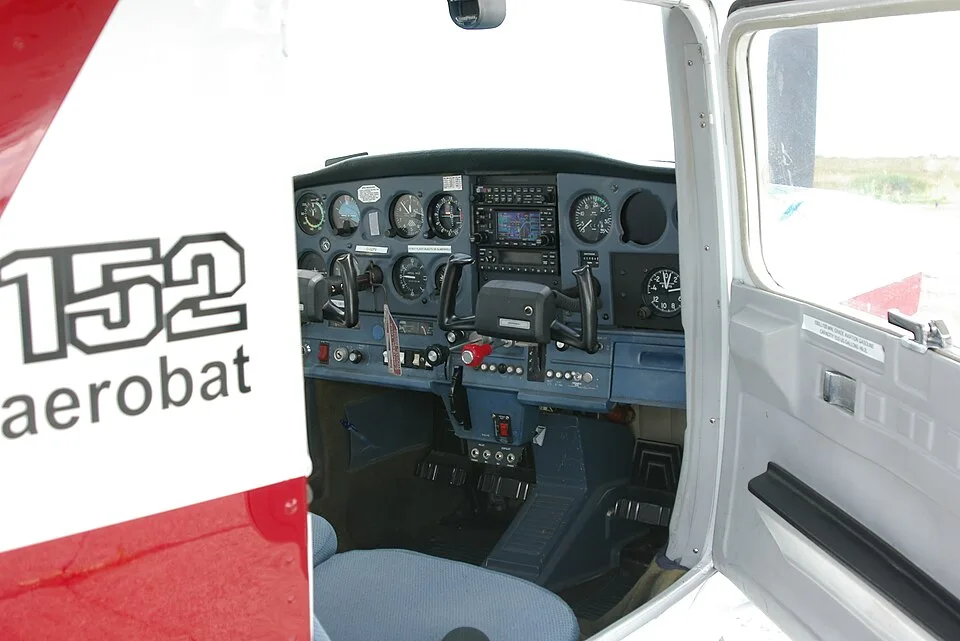

Early heat-exchanger scope
The early issue identifies Model 150-series serials 17001 through 15061328 with the affected right-hand exchanger. Its recorded failure concern is leakage or cracking. The exact component and source scope matter together; the serial number alone is not a current inspection finding.
| Issue ID | Title | Affected Scope | Failure Mode | Detection / Prebuy Clues | Legal / OEM Status | Conditional Applicability Rule | Reference |
|---|---|---|---|---|---|---|---|
| KI-014 | Early 150 exhaust cabin-heat exchanger leakage/cracking | Model 150 series S/N 17001-15061328 with affected right-hand exchanger. | Right-hand exhaust-gas cabin-heat exchanger can crack/leak and requires recurrent inspection until modified. | Review modification/AD status; inspect exchanger/exhaust condition and cabin-heat system. | FAA AD - mandatory | None | [1] |
| KI-016 | Avcon muffler defect under SA750CE | Cessna 150 only if modified under STC SA750CE with affected muffler serial. | Specific Avcon muffler kit serials installed with SA750CE can be defective. | Verify STC installation and muffler kit serial; inspect compliance records. | FAA AD - mandatory conditional | SA750CE + affected muffler kit installed | [2] |
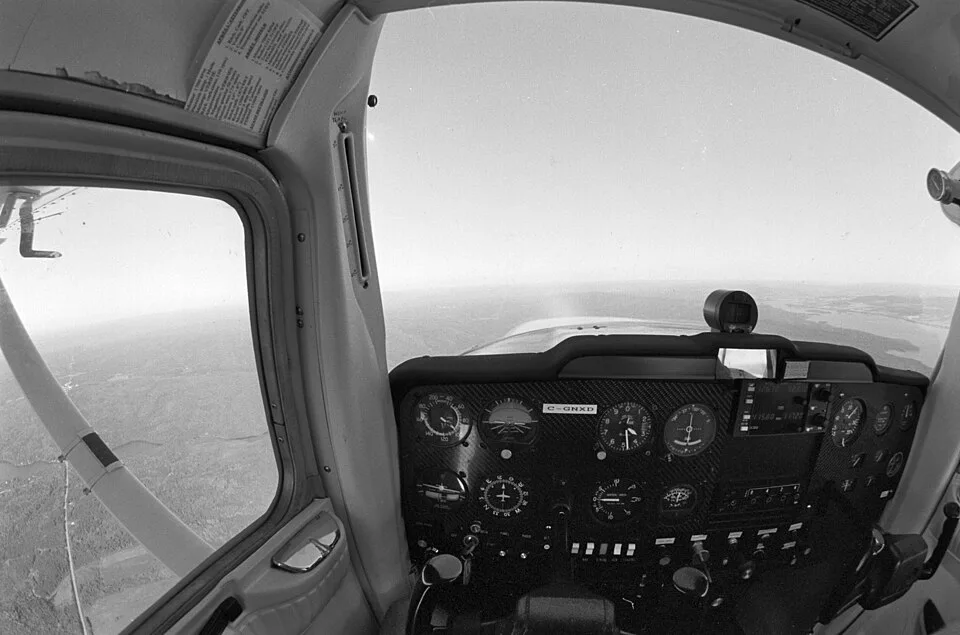

Modified-aircraft muffler scope
The Avcon concern is conditional on modification under STC SA750CE and an affected muffler serial. An unmodified stock aircraft should not be assigned that condition from its airframe family name. A modified aircraft needs the actual approval, installation and component records to resolve the question.
The engine-conversion guide explains why advertised horsepower is insufficient configuration evidence. Exhaust, operating supplements and continued-airworthiness material can be part of the installation research even when the buyer's initial question is simply which engine is fitted.
Cabin heat and maintenance evidence
The cabin-heat system page describes the heat-exchanger and air-routing relationships. It does not supply a condition test or prove exchanger integrity from heater performance. A maintenance review needs the applicable publication and an assessment by the appropriate mechanic.
Ask for component identity, findings, replacements and the records supporting any claim of directive compliance. Distinguish a completed historical action from the current condition of the installation. The issue table retains its legal or OEM classification so that an informational reference, service-program item and directive are not silently treated as equivalent.
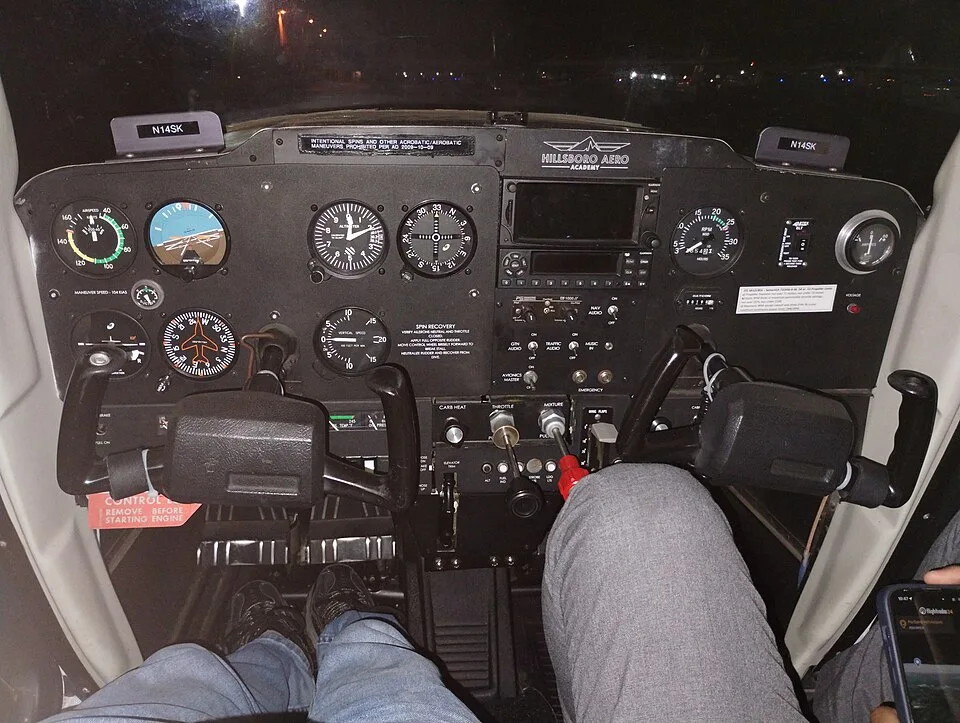

Do not combine unrelated corrective histories
Work on a stock heat exchanger and work on an STC-related muffler may appear close together in an aircraft file, yet address different concerns. Retain the part and approval references with each entry. A later engine change can also make an older description incomplete as a statement of current equipment. The inspection should follow the present aircraft while using history to identify the right questions.