Cessna 150 and 152 Wing Corrosion: Root Ribs, Struts and Attachments
Wing corrosion research covers several structures rather than one surface condition. the issue records distinguish wing-root ribs from wing, strut and strut-attachment aging or corrosion. The source scope is the relevant SID-covered 150/152 families, not an unsupported assertion about every aircraft's condition.
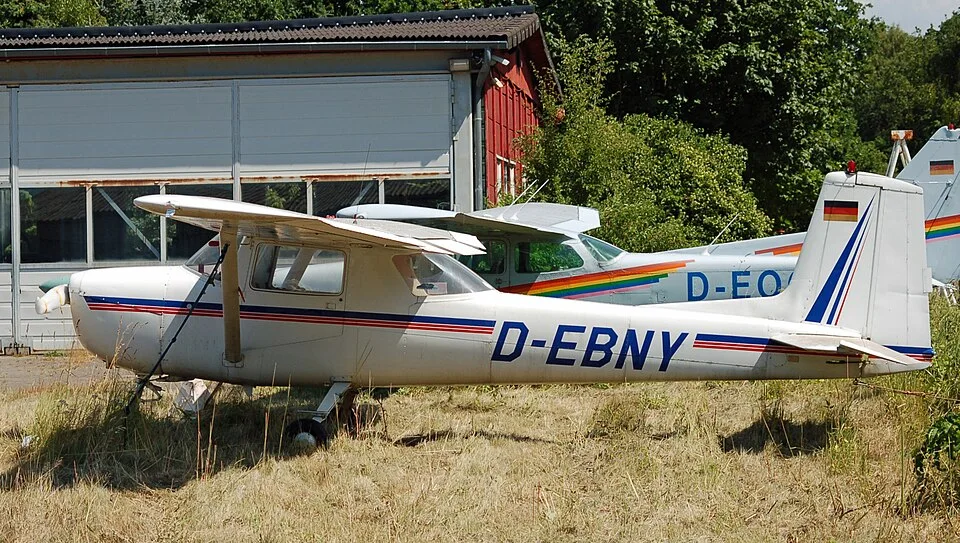

Keep the location precise
A report should identify which structure was examined and what was found. Wing-root rib corrosion and a strut-attachment concern can lead to different maintenance-document questions. The table retains the individual issue identities and the publication type so their purpose is clear.
| Issue ID | Title | Affected Scope | Failure Mode | Detection / Prebuy Clues | Legal / OEM Status | Conditional Applicability Rule | Reference |
|---|---|---|---|---|---|---|---|
| KI-006 | Wing root rib corrosion | SID-covered 150/152 families. | Wing-root rib and adjacent structure are corrosion-prone inspection locations in current SID/CPCP. | Inspect SID history and wing-root area; assess corrosion severity and prior repairs. | OEM SID/CPCP | Environment changes interval | [1] |
| KI-007 | Wing, strut and strut-attach aging/corrosion | SID-covered 150/152 families. | Wing structure, splice joints, struts and strut attachments require aging/corrosion inspections. | Review SID completion for 57-11-01/02/03 and 57-40-01; inspect repairs/corrosion history. | OEM SID/CPCP | Usage/environment drive intervals | [1] |
- [1] D2064-1TR10
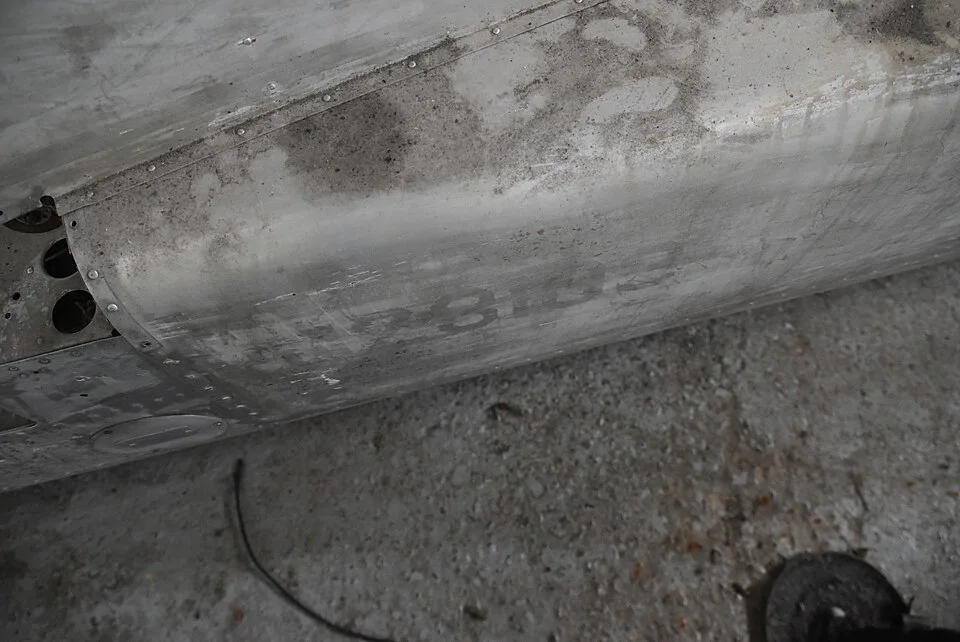

Inspection evidence versus a clean exterior
An exterior appearance cannot document the condition of every interior structural area. For a prebuy, ask which relevant areas the inspecting mechanic could assess, which findings need follow-up and what access or evidence was unavailable. Record limitations explicitly rather than turning incomplete access into a positive condition statement.
The structural-corrosion overview places these items alongside other structural areas. It should be read with the specific service-manual effectivity and the aircraft's environment and maintenance history. This reference does not supply inspection intervals or corrosion acceptance limits.
Repairs and document context
Where records describe prior treatment, replacement or repair, establish the affected area and supporting documentation. A general entry for corrosion treatment does not necessarily close a question about a particular fitting or rib. The damage-history guide explains how to connect such work with present inspection evidence.
The source references identify OEM inspection or corrosion-control material. They should not automatically be described as the same legal requirement as an AD in every jurisdiction. Use the maintenance guide to organize the publication review, and resolve the applicable program and controlled instructions for the aircraft before deciding what work is required.
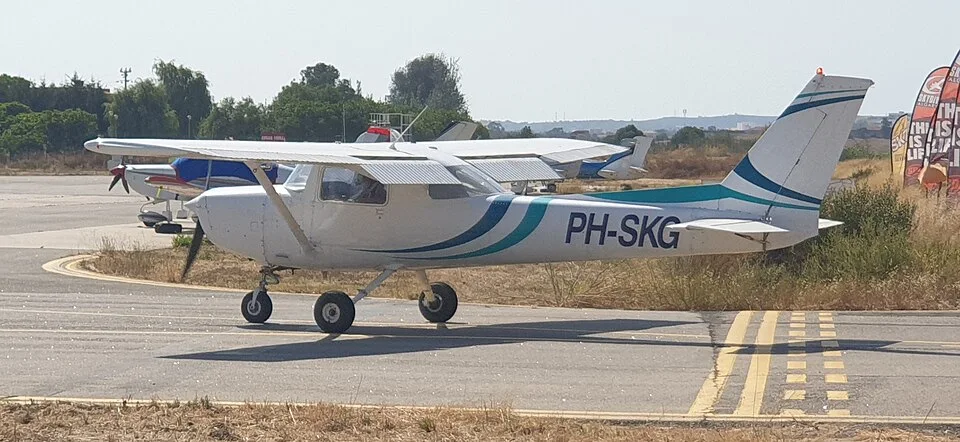

Preserve the inspection limitation
If a relevant structural area was not accessible during the review, state that limitation and its effect on the conclusion. Do not use a completed inspection of a nearby area to imply coverage of the inaccessible structure. Clear location and access notes allow the owner and mechanic to decide what additional evidence is needed without overstating what the initial examination established.