Cessna 150/152 Rudder-Stop Modifications and Corrosion Research
An older rudder-stop modification entry answers only part of a Cessna 150 or 152 buyer's question. Later service information can concern the condition of the modified parts themselves. FAA SAIB 2025-11 provides a specific example: it discusses corrosion associated with earlier rudder-stop kits while keeping its recommendations separate from the existing rudder-stop AD.

What the bulletin establishes
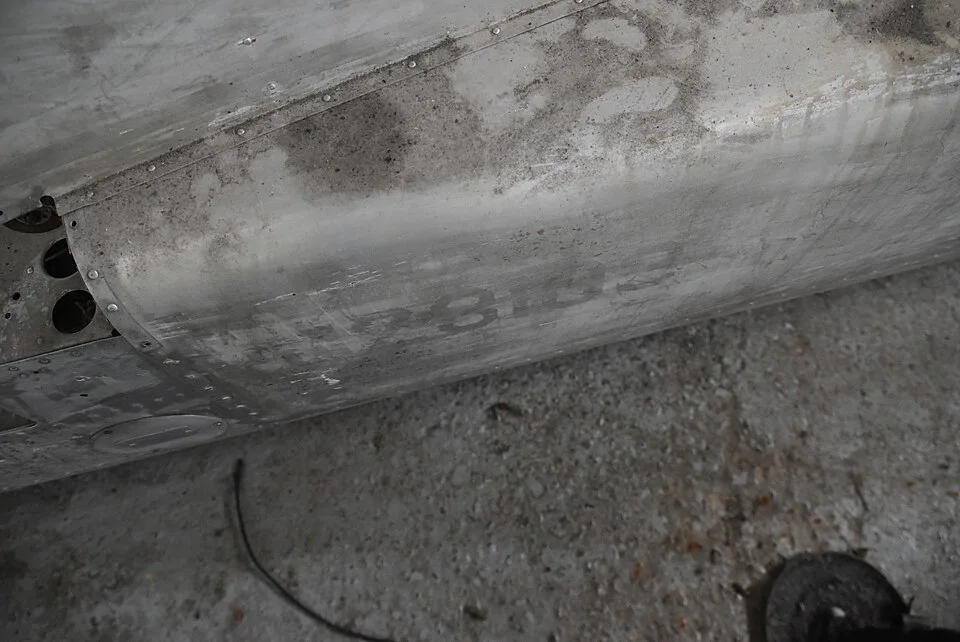
The FAA bulletin dated 22 December 2025 covers its listed U.S. and Reims 150/152 variants fitted with SK152-24B, SK152-25B or earlier kit versions. It describes a reported rudder-horn failure and dissimilar-metal corrosion involving the aluminum horn and steel bumpers. Its recommendations are expressly nonmandatory. This is evidence of a defined concern, not a measured failure rate for the fleet.
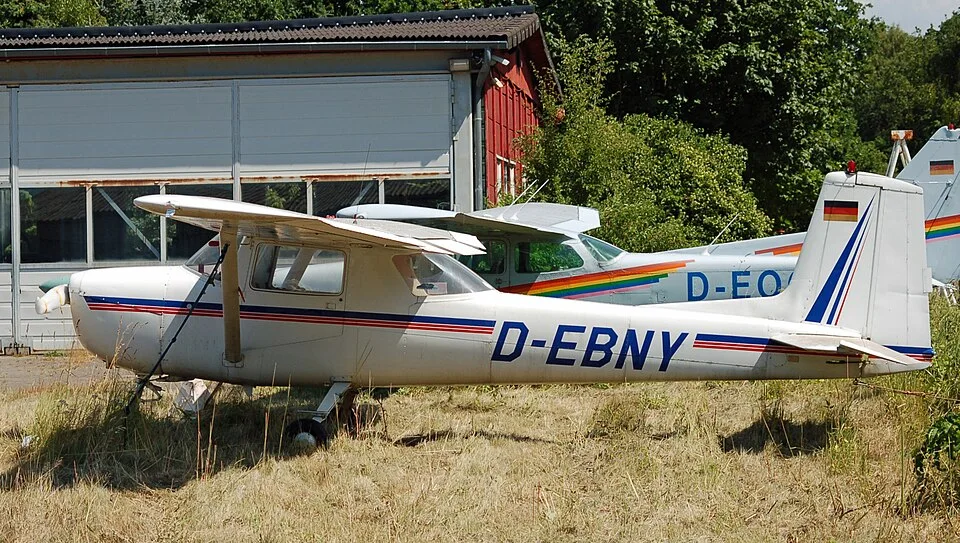
For a buyer, the first useful request is the installed kit identification and its supporting work record. Do not infer the kit suffix from the year of the aircraft, a photograph of the tail or a seller's description that the rudder AD was completed. A later replacement could have changed the configuration.

Follow the later publication trail
The SAIB identifies SEB01-1 Revision 2 and the later C-suffix kits, distinguishing sheet-metal and forged bulkheads. It also points to SEL-27-02 Revision 1 for inspection and corrective-action information and describes an AMOC history. Obtain the applicable service instructions and any AMOC approval letter before relying on an alternative method.
Ask the maintenance reviewer which version of the applicable service information was used and where the condition findings are recorded. If a record describes a repair or replacement, retain the resulting kit or part identity. That makes a later review possible without reconstructing the configuration from invoices alone.
Keep condition and AD method separate
AD 2009-10-09 R2 has its own exact model, serial and kit conditions. The advisory does not replace those applicability tables or turn every aircraft in the broader family into an identical case. A record supporting an earlier AD method and a record describing a later corrosion inspection should remain separately identifiable.
Imagine a file containing a kit installation entry followed years later by an inspection invoice. The useful question is what the later inspection actually covered and what it found, not simply whether both sheets are present. Follow the referenced work record before concluding that the advisory concern has been assessed.

Prepare the next inspection question
Bring the complete aircraft identity, installed-kit evidence, relevant directive method and later service references together for review. The maintenance-entry guide explains why the scope of the signature matters. The tail-attachment guide addresses other structural attachment concerns that should not be folded into this kit-specific issue.
This page is a guide to identifying the concern and its evidence trail. It provides neither a rudder adjustment procedure nor a maneuver authorization. Exact service instructions, the aircraft's condition and the applicable approval evidence are still needed for maintenance decisions.