Cessna 150 and 152 Tail Attachments: Fittings, Nutplates and Rudder Structure
Tail-related findings can involve different structures and different source authorities. the evidence includes aft vertical-fin attachment fittings, tail nutplates and rudder spar or horn concerns. A single tail-inspected entry may not establish which of these subjects was addressed.
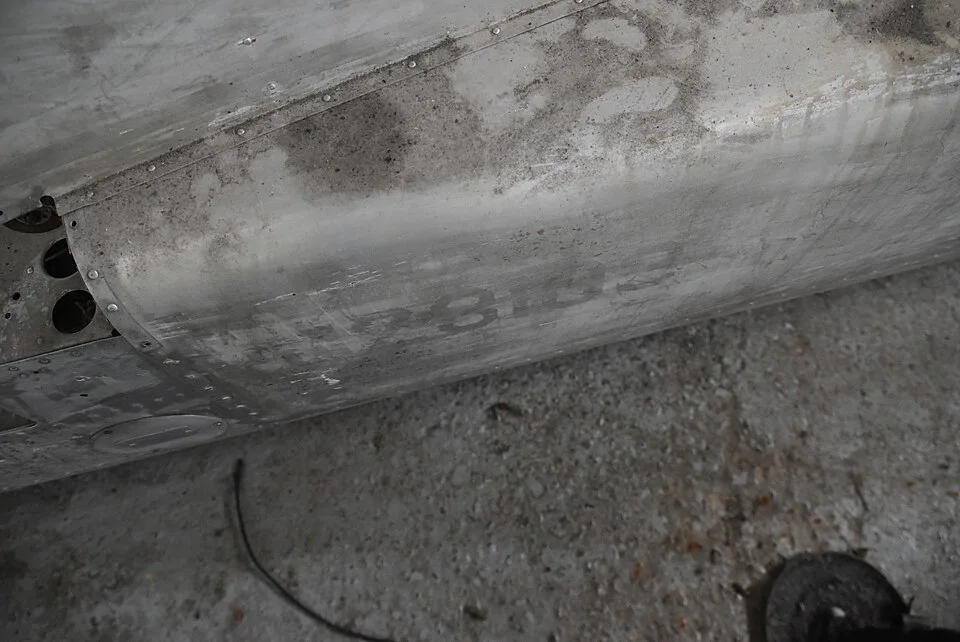

Three distinct research paths
The fin-fitting entry cites FAA SAIB CE-16-03 and describes its informational or recommended status. The nutplate entry links FAA AD 80-11-04 with Reims-related EASA lineage. The rudder spar and horn item points to exact SID effectivity in the maintenance manuals. Preserve those distinctions when organizing an applicability review.
| Issue ID | Title | Affected Scope | Failure Mode | Detection / Prebuy Clues | Legal / OEM Status | Conditional Applicability Rule | Reference |
|---|---|---|---|---|---|---|---|
| KI-003 | Aft vertical-fin attachment fitting cracking | 150/152, A150/A152 and Reims variants produced 1966-1986 per FAA SAIB CE-16-03. | Cracks can develop in aft fin attachment fittings / associated attachment structure. | Review SID/service-history; inspect aft fin attachment fitting/structure per applicable SID. | FAA SAIB - informational/recommended | None | [1] |
| KI-010 | Rudder spar and rudder horn cracking/corrosion | Exact SID effectivity in 150/152 maintenance manuals. | Rudder spar/horn areas have recurring SID inspections; rudder horn concern was added in later TR. | Check SID 55-41-01 and 27-20-02 compliance, repairs, horn corrosion and stop-modification history. | OEM SID | Older rudder-stop kits add KI-004 | [2] |
| KI-044 | Tail nutplate cracking / vertical-fin attachment | Detailed U.S. and Reims 150/152 serials per FAA AD 80-11-04; Reims also linked to EASA 2006-0267. | Affected tail/vertical-fin attachment nutplates can crack; Reims aircraft have related EASA lineage. | Check AD/EASA compliance, nutplate replacement and fin-attach inspection records. | FAA AD + EASA lineage | None | [3] |
Model and serial evidence still matters
The broad family descriptions are starting points. Some entries require detailed U.S. or Reims serial lists or the exact maintenance-manual effectivity. Do not replace those requirements with a simple year cutoff or a claim that a standard model and its Aerobat counterpart have identical scope.
The Reims guide explains why a related model name does not establish the same certification or directive path. The AD research hub separates the aircraft's legal identity from installed equipment and compliance evidence.
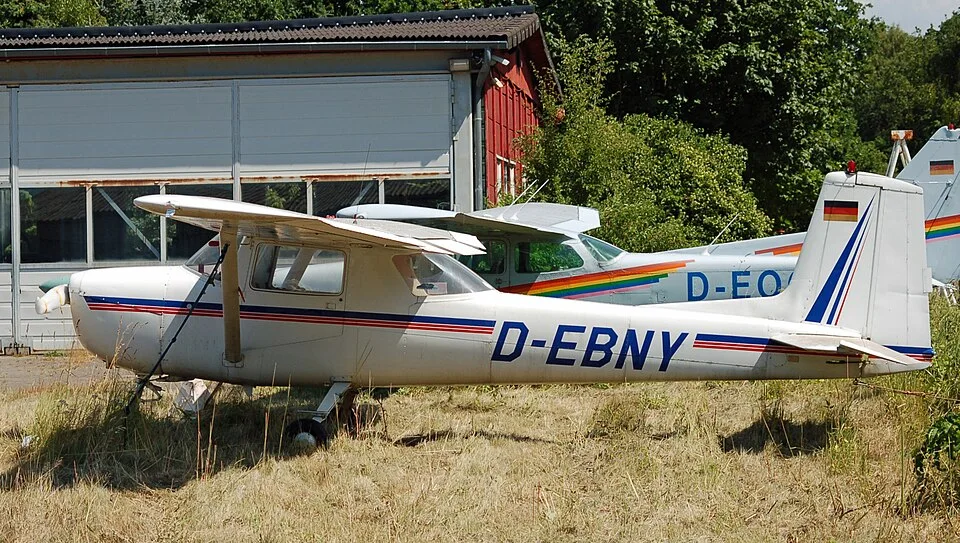

Connect findings with repairs
Ask for a precise description of the inspected structure, any findings and the supporting records for corrective work. A historical repair can be important evidence, but its existence alone does not establish current condition or show that every related tail concern has been resolved.
Use the damage-history reference alongside the applicable controlled maintenance information. This page intentionally avoids inspection techniques, dimensional limits and repair instructions. Its purpose is to help readers identify the correct evidence and questions, including the limits of the summarized source records, before a qualified assessment is made.
Why authority lineage matters
A reference to FAA and EASA material can indicate related regulatory history without proving that the two publications have identical wording or action scope. Keep their identities separate when researching a French-built aircraft. The source table is a route into that review; it should not be used to substitute one jurisdiction document for another without checking the applicable authority and aircraft circumstances.
The elevator-attachment guide separates hardware identity and condition from other tail fittings. For the French-built branch, EASA AD 2006-0267 retains its Reims serial scope and predecessor-action condition.
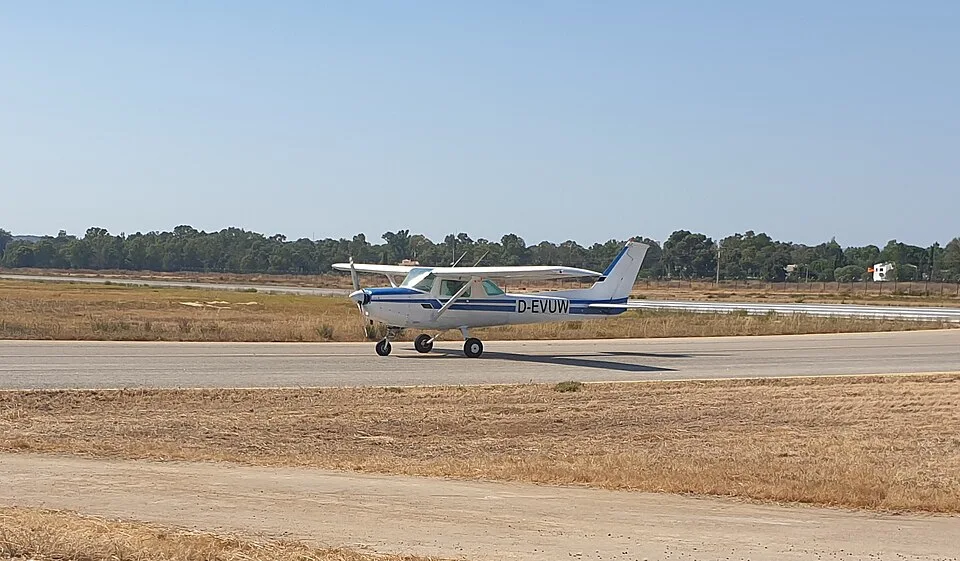

Earlier rudder-stop kits have a separate condition question
The rudder-stop modification guide follows FAA SAIB 2025-11 and its concern about earlier modified parts. Keep that kit-specific enquiry separate from the attachment fittings and structural inspections described above. Similar locations on the tail do not make their applicability or required evidence identical.
For a records review, place the kit installation entry beside any later condition findings and identify the components actually examined. An entry supporting one historical compliance method does not by itself establish what a later inspection covered.