Cessna 150 and 152 Structural Corrosion: Areas and Prebuy Evidence
Cessna 150 and 152 structural corrosion is a collection of location-specific research subjects, not one defect with a universal fleet-wide conclusion. the issue records distinguish carry-through and interior structure, wing-root ribs, wing and strut attachments, main landing-gear fittings, and rudder structure. Each record retains its affected scope and supporting inspection reference. Aircraft age alone cannot establish the presence, extent or absence of damage.


Follow the load path and the named inspection subject
A buyer encounters corrosion information in several places: inspection findings, repair records, service-manual material and supplemental structural inspections. The useful starting point is the location and component actually named. “Corrosion checked” is less informative than a record identifying what was accessible, what was inspected, the applicable criteria and the work that followed. The table below organizes those subjects without assigning a finding to an individual aircraft.
The carry-through/interior record refers to SID 53-11-01 / 53-30-01, while the wing-root rib record identifies SID 57-12-01. Wing, strut and attachment research points to a different set of references. These distinctions matter because examining one visible area does not establish the condition of another structural location. The relationship to a particular aircraft still depends on the manual, model and applicable effectivity.
| Issue ID | Title | Affected Scope | Failure Mode | Detection / Prebuy Clues | Legal / OEM Status | Conditional Applicability Rule | Reference |
|---|---|---|---|---|---|---|---|
| KI-005 | Carry-through and interior structural corrosion | SID-covered 150-series (1969-77 family) and 152-series/Reims family; corrosion environment changes intervals. | Aging structure can corrode at carry-through structure and fuselage interior skin panels. | Inspect SID/CPCP status and structural areas; look for corrosion level, prior blend/repair, moisture history. | OEM SID/CPCP - maintenance program | Environment/maintenance program controls interval | [1] |
| KI-006 | Wing root rib corrosion | SID-covered 150/152 families. | Wing-root rib and adjacent structure are corrosion-prone inspection locations in current SID/CPCP. | Inspect SID history and wing-root area; assess corrosion severity and prior repairs. | OEM SID/CPCP | Environment changes interval | [1] |
| KI-007 | Wing, strut and strut-attach aging/corrosion | SID-covered 150/152 families. | Wing structure, splice joints, struts and strut attachments require aging/corrosion inspections. | Review SID completion for 57-11-01/02/03 and 57-40-01; inspect repairs/corrosion history. | OEM SID/CPCP | Usage/environment drive intervals | [1] |
| KI-008 | Main landing-gear spring/fitting corrosion and wear | SID-covered 150/152 families. | Landing-gear springs and attach fittings require corrosion/structural inspection with aging. | Review SID records; inspect gear spring surfaces, attach fittings and prior corrosion removal/repairs. | OEM SID | Environment drives corrosion interval | [1] |
| KI-010 | Rudder spar and rudder horn cracking/corrosion | Exact SID effectivity in 150/152 maintenance manuals. | Rudder spar/horn areas have recurring SID inspections; rudder horn concern was added in later TR. | Check SID 55-41-01 and 27-20-02 compliance, repairs, horn corrosion and stop-modification history. | OEM SID | Older rudder-stop kits add KI-004 | [2] |

Wing roots, struts and attachments
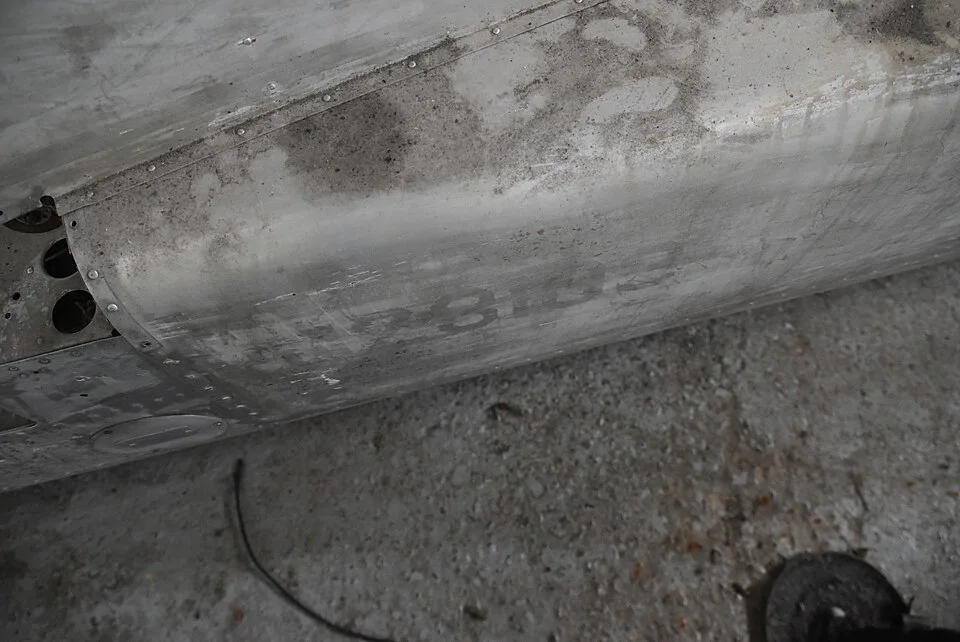
The wing-root and wing/strut subjects should remain distinct during prebuy planning. They involve different locations and inspection evidence, even when both are described informally as “wing corrosion.” A report of work on a strut does not establish the condition of the root rib or carry-through structure. Likewise, a replacement part may be relevant to one finding without resolving the rest of the aircraft's inspection scope.
The issue summaries retain detection context, but do not reproduce disassembly, inspection or repair procedures. Access, damage assessment and acceptable repairs need the appropriate technical instructions and qualified personnel. An aircraft advertisement or exterior photograph is not a substitute for that evidence. The prebuy guide explains how to connect visible condition, records and inspection scope without claiming certainty from incomplete information.
Landing gear and rudder structure
The main-gear record concerns springs and fittings, with source references specific to those subjects. It should not be confused with a nose-fork directive or with every symptom informally called a landing-gear problem. The aircraft's exact gear configuration and repair history need to be established before relating a general issue description to the installed components.
Rudder spar and horn research has its own inspection references, including SID 55-41-01 / 27-20-02 in the record. That is not the same subject as rudder-stop modification structure or a vertical-fin attachment concern. Combining them under a single “tail AD” heading would obscure both applicability and evidence. Use the 150 known-issues guide or 152 known-issues guide to follow those separate records.

Why revision layers matter
The local service-manual revision evidence shows structural inspection material added and changed through temporary revisions. The base manual date therefore cannot describe the entire maintenance reference. For the 152 manual, the recorded TR7 layer deletes SID 55-11-01 while later layers address other tail and corrosion material. An old checklist can remain historically understandable without being a complete basis for today's investigation.
Check the manual’s page list and amendments, including temporary revisions, before maintenance use. A temporary revision should be read with the base manual and any other applicable amendments. The 150 manuals guide and 152 manuals guide provide the relevant publication paths. See Technical Documents.
Interpreting a prebuy finding
The existence of a known inspection subject does not prove that the aircraft has the defect. Conversely, no prior logbook mention does not prove that the area was examined or found acceptable. An evidence-based conclusion describes the actual finding, its location and scope, the applicable criteria, and any repair or further assessment required. The general reference should not guess a severity from age, climate or storage alone.
Ownership planning can account for inspection access, records review and the possibility of follow-up work without inventing a repair price or universal annual cost. A useful ownership plan keeps those uncertainties visible. Covers, storage choices and cleaning products are not substitutes for required inspection or an approved repair, and no commercial recommendation is used here to resolve a structural question.