Reims FRA150 Development: O-240 Power and FA Configuration Relationships
The Reims FRA150 is a distinct higher-power development within the 150 family, not merely a French label for a U.S. A150 Aerobat. The retained New Zealand authority history describes a Reims-developed variant using the 130 hp O-240 family and a separate approved flight manual. That history explains why FRA150 research needs its own engine and configuration evidence.
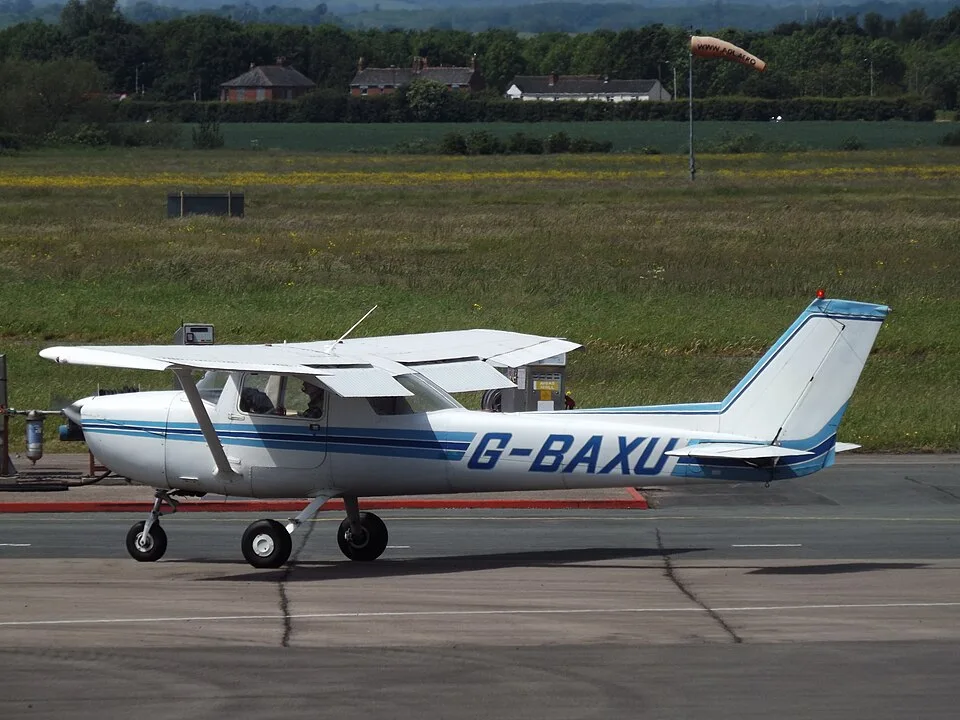

A separate development branch
The historical record places FRA150 development in the 1971-72 period and describes no direct Cessna equivalent. It is useful for understanding the branch's origin, but it does not supply a complete performance or loading specification. Numerical gaps must remain gaps until the applicable flight-manual evidence is available.
| Reference family | Model Year / Date | Model(s) | Change Category | Documented Change | Why Historically Important | Reference type | Source | Reference | Technical Boundary |
|---|---|---|---|---|---|---|---|---|---|
| Cessna 150 | 1971-72 | FRA150L | Reims powerplant / development | Reims developed higher-power FRA150 with 130-hp O-240 family and separate approved flight manual. | A genuine Reims-developed variant with no direct Cessna equivalent according to CAA NZ. | Authority historical report | CAA NZ TAR 96/09 | [1] | Do not collapse FRA into ordinary A150/FA150 history. |
The Reims certification guide explains the A13EU relationship. The FRA150L and FRA150M references preserve their separate model identities and the limits of the available data.
FA and FRA are not interchangeable prefixes
The retained engine records distinguish a base FA150L O-200 installation from FRA150L O-240-A evidence. They also preserve an eligibility relationship involving FKA150-2311 and FKA150-2316. A serial lying in a potentially eligible FA group is not proof that both kits were installed or that the aircraft should be described as an FRA configuration.
| Reference family | Origin | Model Year | Aircraft Model | Factory Engine | Installed hp | RPM Limit | Applicability Basis | First Serial in Group | Last Serial in Group | Serial Rows | Aircraft Source | Engine Source |
|---|---|---|---|---|---|---|---|---|---|---|---|---|
| Cessna 150 | France | 1971 | FA150L | O-200-A | 100 | 2750 | Factory / type-design | FA1500082 | FA1500120 | 39 | [1] | [1] |
| Cessna 150 | France | 1972 | FRA150L | O-240-A | 130 | 2800 | A13EU FRA150L / eligible FA150L with FKA150-2311 and FKA150-2316 | FRA1500121 | FRA1500166 | 46 | [2] | [2] |
| Cessna 150 | France | 1973 | FRA150L | O-240-A | 130 | 2800 | A13EU FRA150L / eligible FA150L with FKA150-2311 and FKA150-2316 | FRA1500167 | FRA1500211 | 45 | [2] | [2] |
| Cessna 150 | France | 1974 | FRA150L | O-240-A | 130 | 2800 | A13EU FRA150L / eligible FA150L with FKA150-2311 and FKA150-2316 | FRA1500212 | FRA1500261 | 50 | [2] | [2] |
| Cessna 150 | France | 1975 | FRA150M | O-240-A or O-240-E | 130 TO / 123 O-240-E continuous | 2800 TO / 2650 O-240-E continuous | A13EU FRA150M / eligible FA150M with FKA150-2311 and FKA150-2316 | FRA1500262 | FRA1500281 | 20 | [2] | [2] |
| Cessna 150 | France | 1976 | FRA150M | O-240-A or O-240-E | 130 TO / 123 O-240-E continuous | 2800 TO / 2650 O-240-E continuous | A13EU FRA150M / eligible FA150M with FKA150-2311 and FKA150-2316 | FRA1500282 | FRA1500311 | 30 | [2] | [2] |
| Cessna 150 | France | 1977 | FRA150M | O-240-A or O-240-E | 130 TO / 123 O-240-E continuous | 2800 TO / 2650 O-240-E continuous | A13EU FRA150M / eligible FA150M with FKA150-2311 and FKA150-2316 | FRA1500312 | FRA1500336 | 25 | [2] | [2] |
The serial-group counts in these records describe the retained grouping, not a verified census of uniquely identified physical aircraft. Do not count an eligible FA label and a corresponding FRA configuration as two aircraft without independent identity evidence.
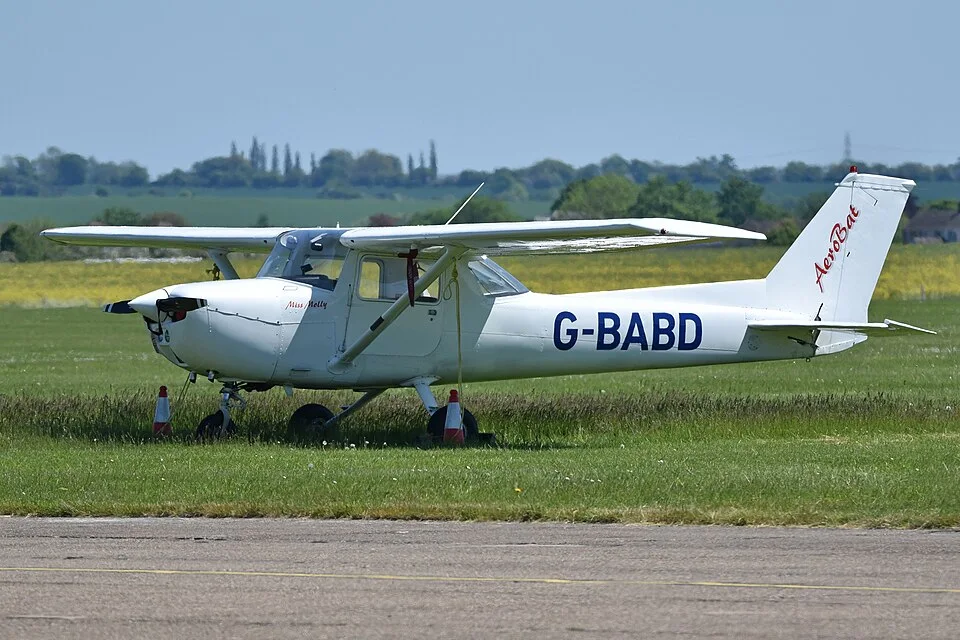

The M branch needs the engine suffix
The FRA150M records allow O-240-A or O-240-E context and distinguish the O-240-E takeoff rating from its continuous rating. Reducing those entries to “130 hp” loses a material operating-limit distinction. The O-240 engine guide keeps the engine suffix and rating context together.
Propeller research follows the same configuration logic. The McCauley 1A135/BRM7150 reference belongs to the FRA application evidence. It should not be assigned to a base FA aircraft merely because the aircraft could qualify for a configuration change.
What establishes an individual aircraft's configuration
For a purchase or historical investigation, connect the aircraft identity, engine identification, modification records, propeller installation and flight-manual documentation. A model plate or logbook abbreviation may answer only one of those questions. Preserve contradictions until the actual installation and its supporting records can be reconciled.
This approach recognizes the FRA150's distinct development without inventing missing performance figures or treating kit eligibility as completed work. The dedicated model pages remain the place for model-level serial detail; this guide explains the relationship between the branches and why that relationship matters when selecting documents.
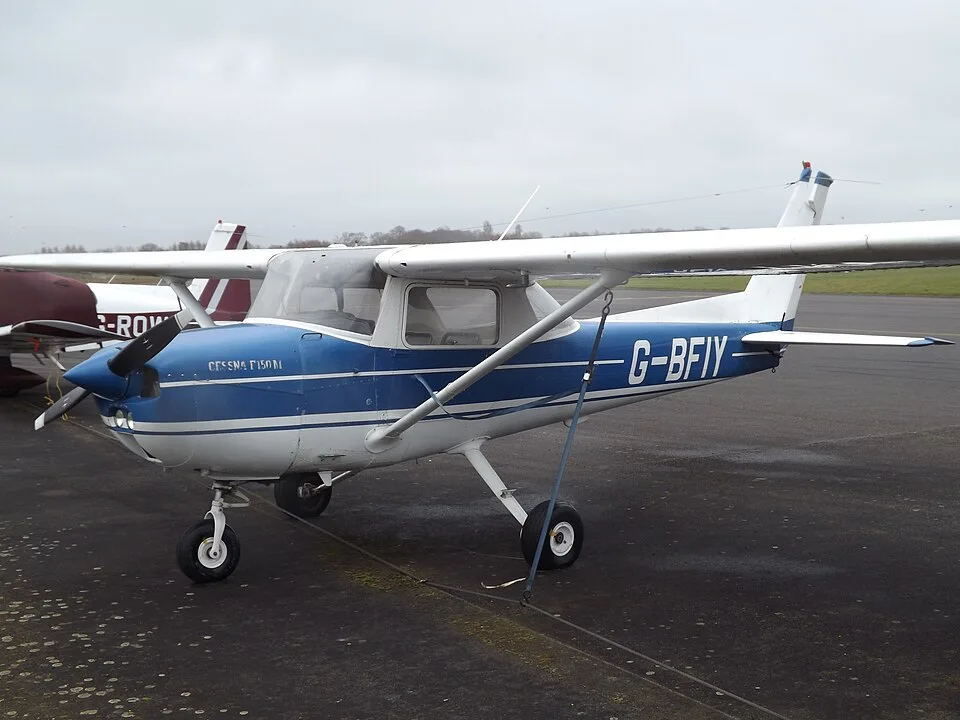

A regulatory example of conditional FA and FRA entries
The corrected rudder-stop AD retains kit-conditioned FA/FRA entries in its applicability table. The named configuration is part of the evidence, not an optional annotation that can be removed when making a family list. This independently supports retaining the site's conditional-identity treatment.
The AD 2009-10-09 R2 reference explains the revision and records questions. It does not turn an eligible FA aircraft into a confirmed FRA installation. For an aircraft whose records use both labels, ask which configuration evidence explains the transition before combining the entries into a single description.
FRA150L versus FRA150M
The L-to-M question belongs within this development history: the recorded O-240-A/E relationships and separate manual identifiers are more useful than an unsupported numerical performance ranking. The F150L-versus-FRA150L comparison covers the different standard-to-FRA question. Within the FRA branch, preserve the exact L or M identity when following the BRM7150 application and the manual-reference table. A shared engine family does not justify using the L handbook as an M operating document, and an acceptance-report listing cannot resolve the report’s separate certificate-identifier discrepancy.