Reims F152 vs Cessna 152: Identity, Engines, Manuals and STCs
A Reims F152 and a U.S.-built Cessna 152 are related standard-model aircraft with O-235 engine installations, but their certified identities, serial records and documentation paths are different. The F prefix is part of the Reims model identity. It must remain when checking a manual, component application or modification approval; shared appearance does not establish documentary equivalence.

| Official Model | Model Years | Certification Category | Engine as Type-Certificated | Certified Serial Eligibility | Important Identity Note | Reference |
|---|---|---|---|---|---|---|
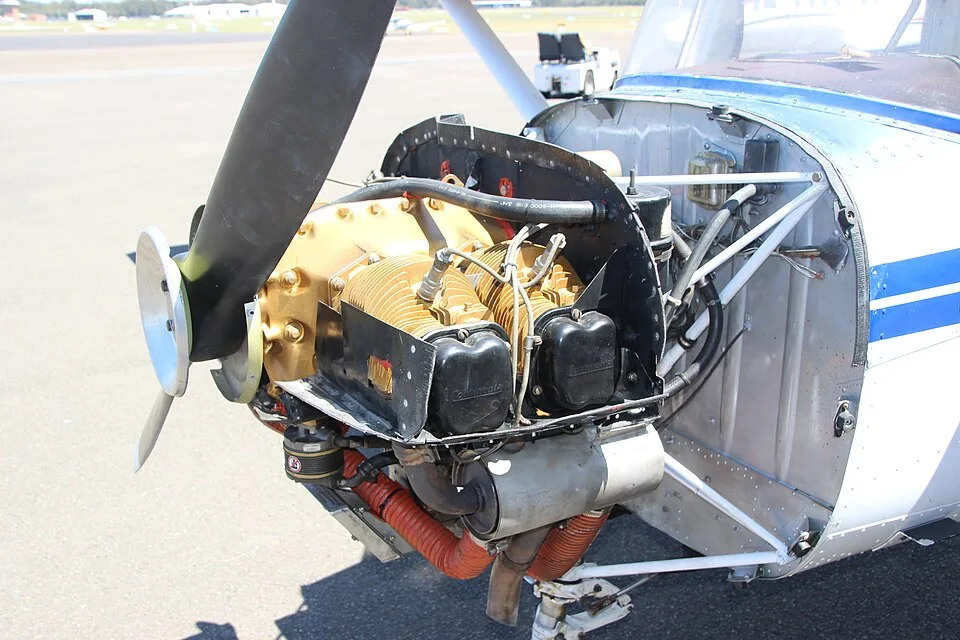
| 152 | 1978-1985 | Utility | Lycoming O-235-L2C through S/N 15285594; O-235-N2C from 15285595 and on, or aircraft reworked per SK152-15 / SK152-16 | 15279406-15286033 | Engine identity changes within the same certified model. O-235-L2C is 110 hp; O-235-N2C is 108 hp. | [1] |
| F152 | 1978-1986 | Utility | Lycoming O-235-L2C for 1978-1982 models; O-235-N2C for 1983 model and on, or aircraft reworked per SK152-15 / SK152-16 | F15201429-F15201980 | Manufacturer service data confirms model-year coverage through 1986. Some service-manual year tables start 1978 at F15201449, while A13EU certified eligibility starts at F15201429; preserve this distinction for the serial module. | [2] |
Production context and the early F152 boundary
The Cessna 152 record covers the U.S. model-year sequence, while the F152 record retains French production and manufacturer service-data coverage through 1986. Those source model years should not be substituted for the date a particular aircraft was manufactured or registered.
The Reims eligibility starts at F15201429 in the recorded certificate context, whereas some service-manual year tables begin their 1978 sequence at F15201449. The difference is preserved in the serial guide. It does not justify dropping the intervening serials, assigning an invented year or replacing the source's notation with a seemingly tidier range.

Similar engine families, different effectivity descriptions
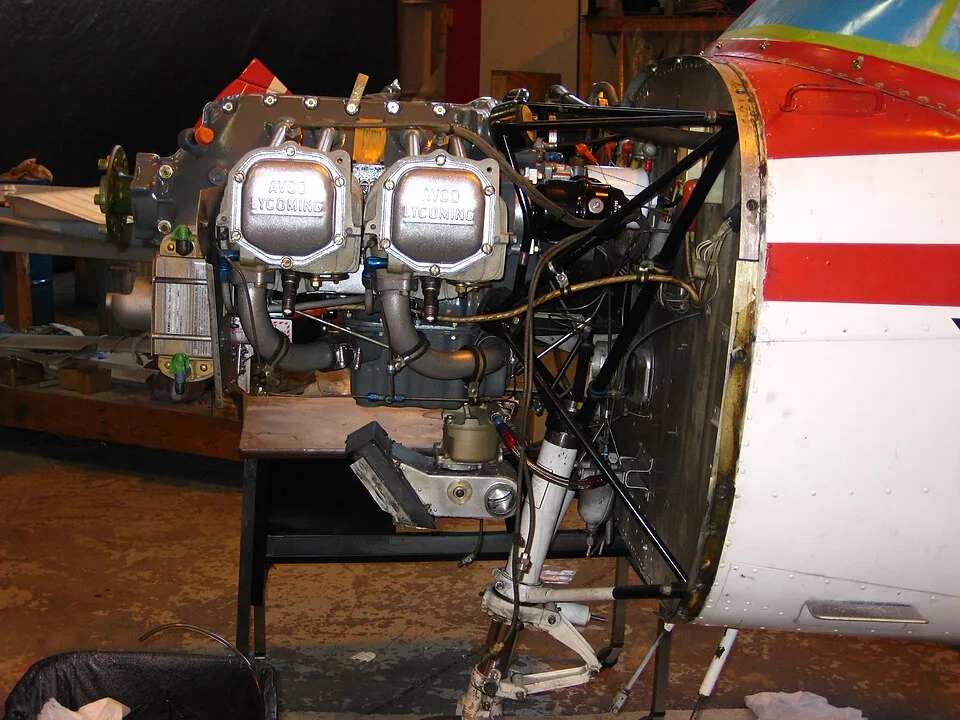
The U.S. record identifies the L2C-to-N2C change at 15285595. The F152 identity describes L2C for 1978-1982 and N2C for 1983 onward, with the recorded SK152-15 / SK152-16 rework pathways retained. Use the actual engine identity and aircraft records to resolve an installation; do not convert one family's effectivity description into the other's serial rule.
The O-235 comparison explains the difference between the 110-hp L2C and 108-hp N2C aircraft ratings. These ratings do not supply a matched F152-versus-152 performance test. Complete comparable aircraft handbook conditions would be needed before making speed, range or runway-distance claims.

Manuals and modification approvals
The Reims manuals guide preserves F152 manual-year and serial mappings. A 152 title in a search result is not enough to establish coverage for the French-built aircraft. Match the publication's aircraft identity and effectivity before relying on its operating or maintenance content.
The published EASA explanation distinguishes FAA STCs for U.S. Cessnas from formal coverage of Reims models and describes a recorded extension route for specified grandfathered approvals. The Reims modifications guide retains that scope. Neither a public STC listing nor the common 152 ancestry proves approval or installation on an F152.
What should a buyer compare?
Compare the aircraft identity, current engine/propeller combination, correct manual set and alteration evidence before comparing advertised equipment. For an F152, explicitly retain the Reims model throughout the paperwork search. A registration mark alone cannot establish origin, and a similar component does not settle its approval basis.
The Acrobatic counterparts, FA152 and A152, add a separate category distinction and should not be silently folded into this standard-model comparison. The Reims certification guide retains the unresolved CAA certificate-identifier discrepancy; this page does not correct it by inference or claim that all controlling publication copies have been established.