Reims F150L vs FRA150L: O-200, O-240 and Certified Identity
The Reims F150L is a standard-model O-200-A aircraft, while FRA150L identifies the Acrobatic Reims branch with the Rolls-Royce Continental O-240-A installation. This is a difference in certified identity and aircraft configuration, not simply a higher engine-power option selected from an F150L specification. The separate FA150L kit-conditioned relationship also needs its own evidence.
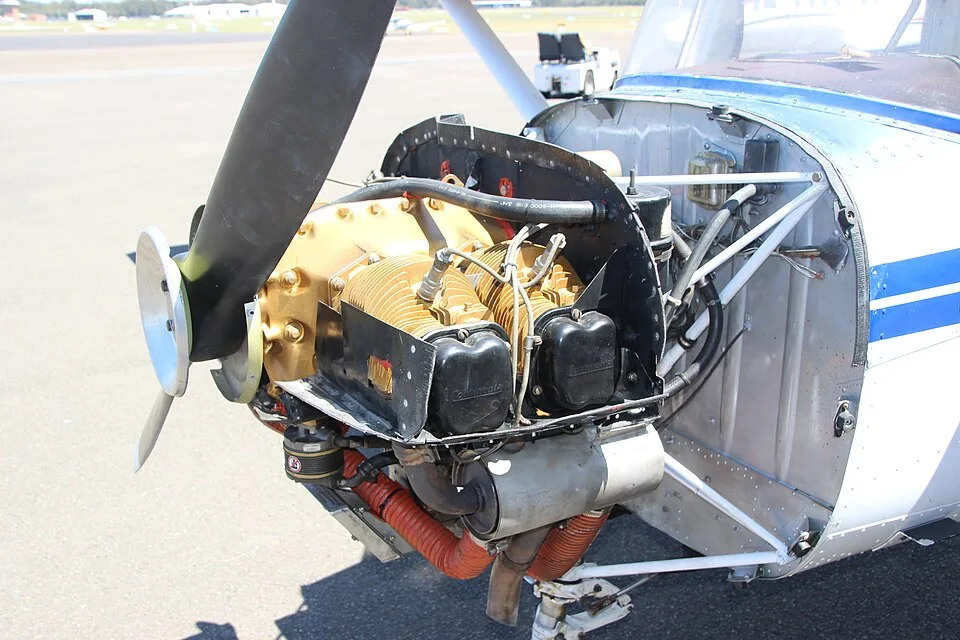

| Official Model | Model Years | Certification Category | Engine as Type-Certificated | Certified Serial Eligibility | Important Identity Note | Reference |
|---|---|---|---|---|---|---|
| F150L | 1971-1974 | Utility | Rolls-Royce Continental O-200-A | F15000659-F15001143 | - | [1] |
| FRA150L | 1972-1974 | Acrobatic | Rolls-Royce Continental O-240-A | FRA1500121-FRA1500261; or FA1500121-FA1500261 when equipped with FKA150-2311 and FKA150-2316 | A13EU explicitly defines this as FRA150L OR FA150L with the specified kits. Identity can therefore depend on certified configuration, not prefix alone. | [1] |
Three names that should remain separate
The F150L and FRA150L records start different research paths. F150L belongs to the standard Reims group; FRA150L belongs to the higher-powered Aerobat development. FA150L is another recorded base identity involved in the conditional FA/FRA relationship. Omitting either A or R can therefore send a parts or document search to the wrong aircraft.
The Reims serial-identification guide retains the configuration conditions under which the FA150L base identity may correspond to FRA150L. A serial prefix alone does not establish the required installed kits. Likewise, an O-240 found on an aircraft is not sufficient evidence that its complete approved configuration and model relationship have been established.
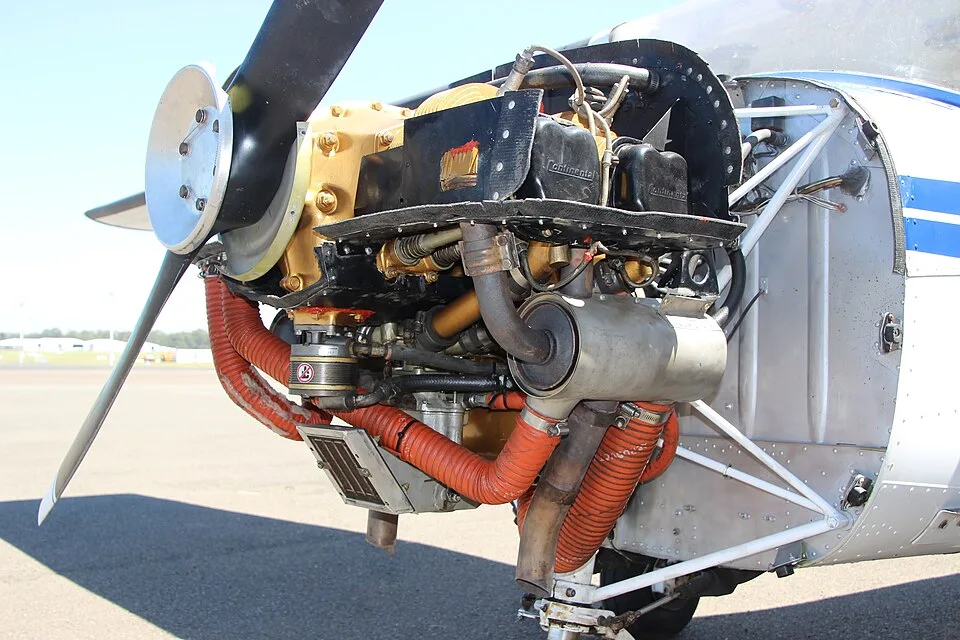

Engine and propeller form an installation
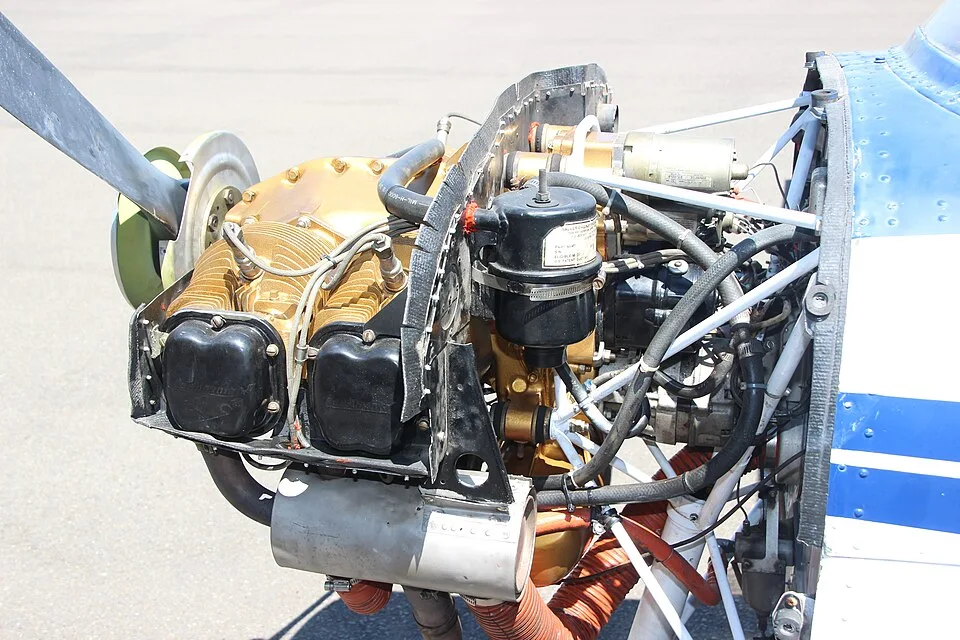
The recorded F150L engine path uses the 100-hp O-200-A. The FRA150L path uses the O-240-A at the recorded 130-hp aircraft rating. The O-240 guide distinguishes this Rolls-Royce engine family from similarly numbered Continental engines; IO-240-B information does not automatically describe it.
For the FRA branch, the McCauley BRM7150 reference preserves its model and engine pairing. F150L component applications belong to their own records. Comparing the power figures alone cannot establish interchangeable propellers, a conversion approval, or the performance of an aircraft with changed equipment.

The manual is part of the distinction
the acceptance-report evidence records a separate FRA150L manual identifier rather than treating every Reims 150 manual as one interchangeable publication. The Reims manual table preserves the L and M FRA references separately. A familiar cover title or adjacent model letter does not establish that a copy applies to the aircraft being evaluated.
That acceptance report also contains an unresolved certificate-identifier discrepancy. Its useful manual-reference fields do not resolve the conflicting field elsewhere in the report. The controlling certificate and applicable approved operating material remain necessary for a complete technical determination; this comparison does not establish maneuver limits or comparable flight-planning charts.
Turning the comparison into a records request
For a standard F150L, request the identity, O-200 installation and corresponding propeller/manual evidence. For an FRA150L or an aircraft described through the FA/FRA relationship, add the configuration and kit records that explain that relationship. Keep approval evidence separate from proof that the work was actually installed and recorded.
The FRA development guide places the later FRA150M alongside this L context. Follow that comparison when the question is development within the FRA branch. When choosing between an F150L and FRA150L for further research, the evidence supports different documentation and configuration enquiries, not an unsupported claim about operating cost, handling or universal superiority.