Cessna 152 Lycoming Propeller-Strike Records: Engine and Propeller Evidence
A repaired propeller does not, by itself, explain what happened to the engine after an impact. For a Cessna 152 with a qualifying Lycoming engine, AD 2004-10-14 makes the event definition and subsequent engine work important parts of a records review. A Cessna 150 fitted with a Continental engine needs a separate engine-specific inquiry; this Lycoming directive should not be copied into that case as if the engines were interchangeable.
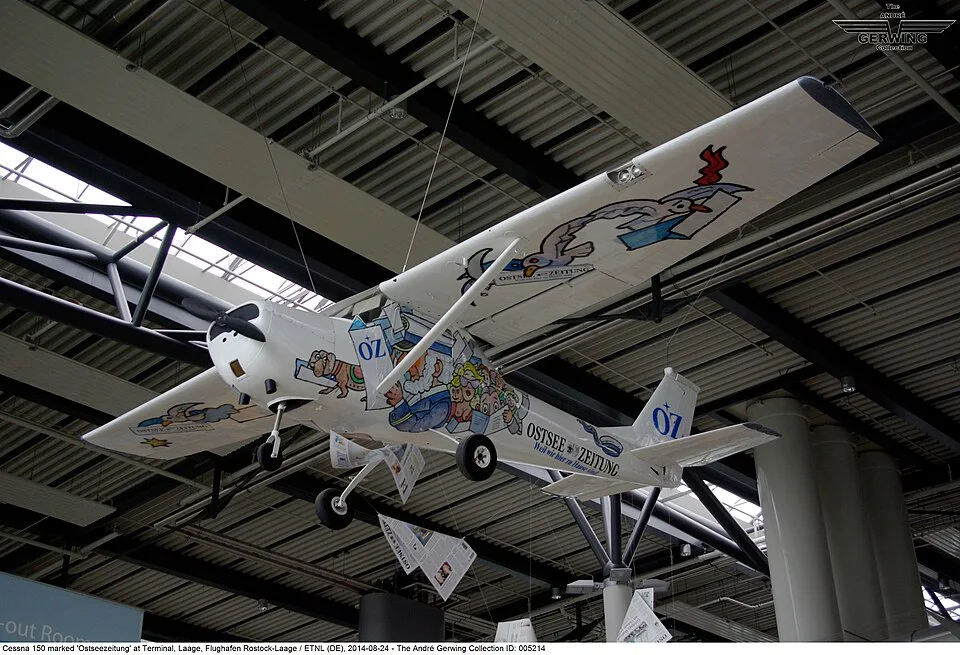

Identify the engine before the event rule
The corrected FAA AD 2004-10-14 applies to Lycoming direct-drive reciprocating engines with specified exceptions; the O-235 is not among those exceptions. It supersedes AD 91-14-22 and retains an effective date of 25 June 2004. The correction publication date is a different fact.
Start with the installed engine and its history at the time of the incident. If an engine was later exchanged, separate the removed engine's work from the current engine's records. The airframe's damage narrative is useful context, but cannot identify which engine received which maintenance.
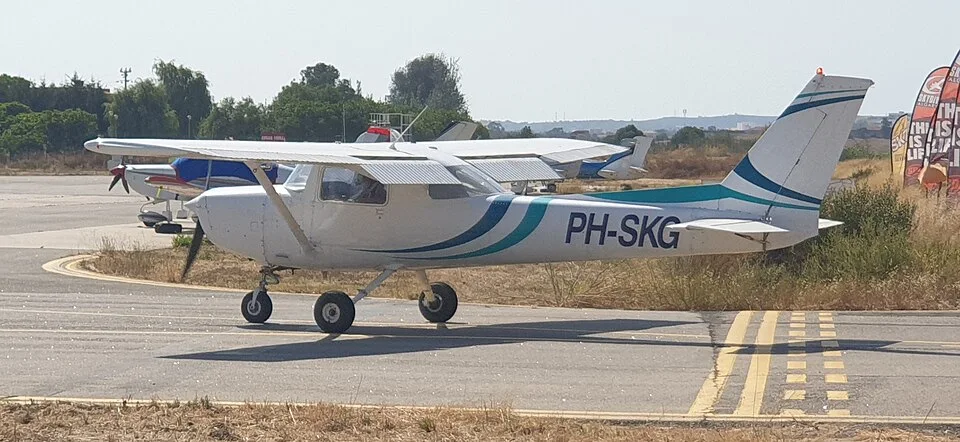

A stopped engine does not exclude a strike
Paragraphs (i) and (j) include incidents requiring propeller repair beyond minor blade dressing whether or not the engine was running. They also address qualifying RPM drops with solid or yielding objects and examples such as a hangar door striking a blade. The everyday phrase “no sudden stoppage” is therefore insufficient to dismiss the directive's event definition.
Ask for the contemporaneous description, damage assessment and repair scope. A later advertisement saying “minor prop damage” may not preserve enough information to evaluate the event. This is a reason to recover the underlying records, not to diagnose an unseen engine from a sales phrase.
Follow both work trails
For qualifying events after its effective date, the AD requires specified engine actions before further flight using MSB 475C, dated 30 January 2003, including gear-retaining-bolt and lockplate replacement. A propeller shop's repair document does not describe those engine actions unless the relevant engine work is separately documented.
Place the propeller record and engine entry beside the incident description. Check that the dates and component identities connect, then ask the maintenance reviewer whether the documented work addresses the applicable requirements. If only one side of the file is available, identify the missing side explicitly. Do not manufacture a complete history by assuming the usual shop practice was followed.
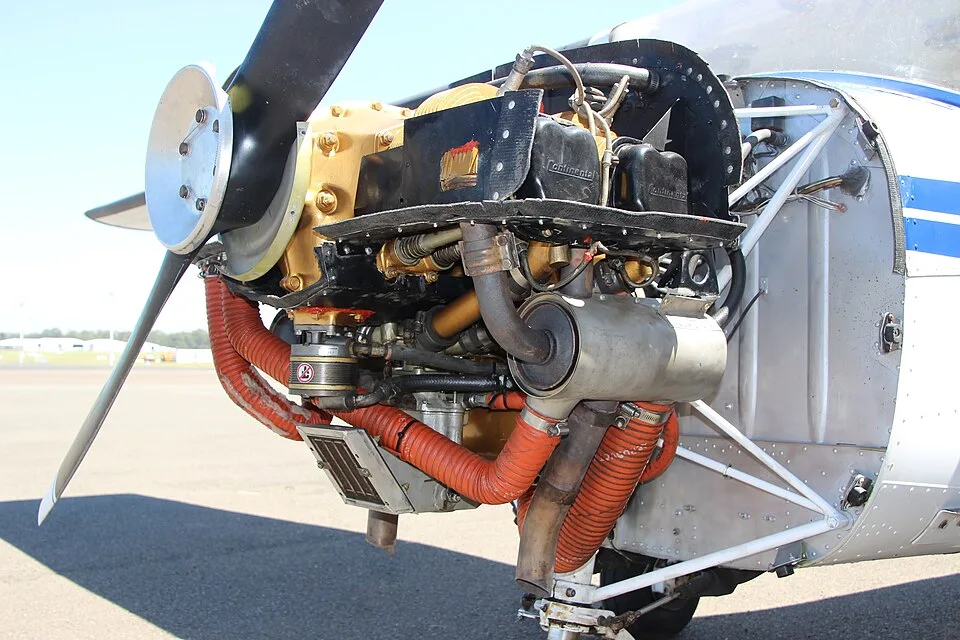

What this evidence cannot decide
the directive concerns its specified engine problem and required actions. It is not a complete damage-inspection programme for the airframe, propeller and all possible engine installations. Nor does a surviving work entry establish the present condition of every affected part.
Use propeller records to follow component continuity and damage-history research to organize the broader repair file. A useful prebuy question is whether the event, affected components and recorded work can be reconciled. The answer requires those records and an appropriate technical review, not an inference from a polished propeller or a recent annual date.