Cessna 150/152 Cylinder Work: Reading the Engine Records
An entry for cylinder work describes an event in the engine's history; it does not automatically describe an overhaul of the whole engine. For a Cessna 150 or 152 buyer, the useful question is which engine and parts were involved, what the work record says, and how that event relates to the engine's subsequent history. A sales phrase such as “new top end” is only a starting point for finding the actual records.
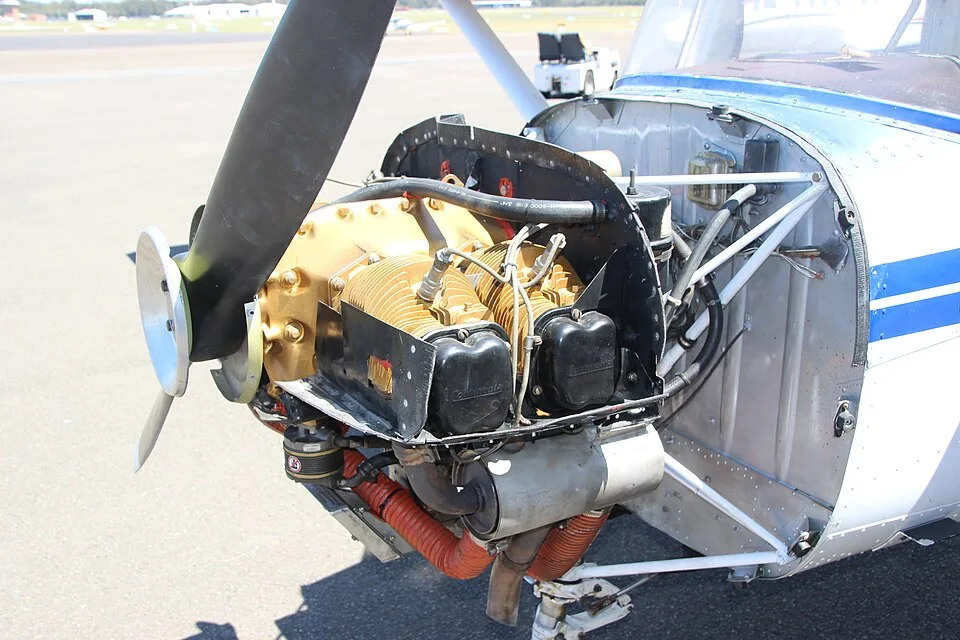

Establish the scope before interpreting the hours
Locate the work description and its supporting documents. Identify whether it describes replacement, repair, inspection or another action, and which components the entry identifies. Keep the date and recorded time attached to that event. Do not copy time since cylinder work into an engine-overhaul field merely because both numbers describe elapsed use.
The engine-time guide separates total time, overhaul history and installation history. The maintenance-entry guide explains that an approving signature concerns the work performed. Together they provide a way to interpret the record without expanding a limited description into a broader claim about the engine.
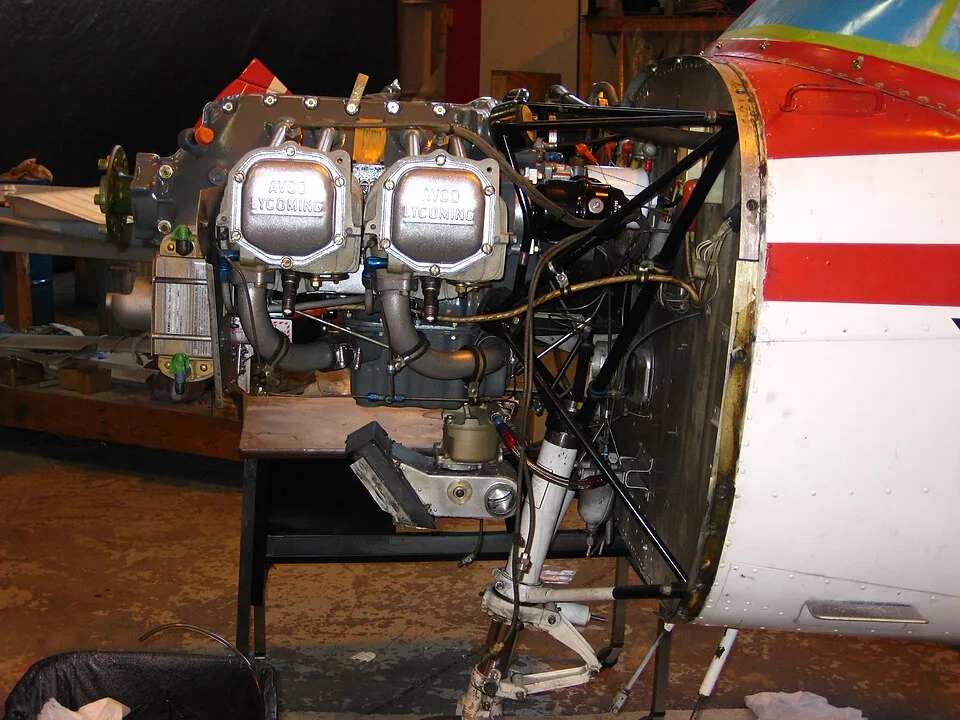

Connect the parts to the installed engine
Retain the exact engine model and serial, the component identities actually recorded and any related release paperwork. Supplier documentation can help identify a part, but the engine work record is needed to connect the part to an installation. FAA AC 43-9D discusses the differing roles of maintenance and component records.
If the records contain paperwork for several assemblies, ask which documents belong to the work being evaluated. Do not assume every loose tag in the engine folder describes a part still installed. A later removal, replacement or engine exchange could explain why the file contains more than one history.
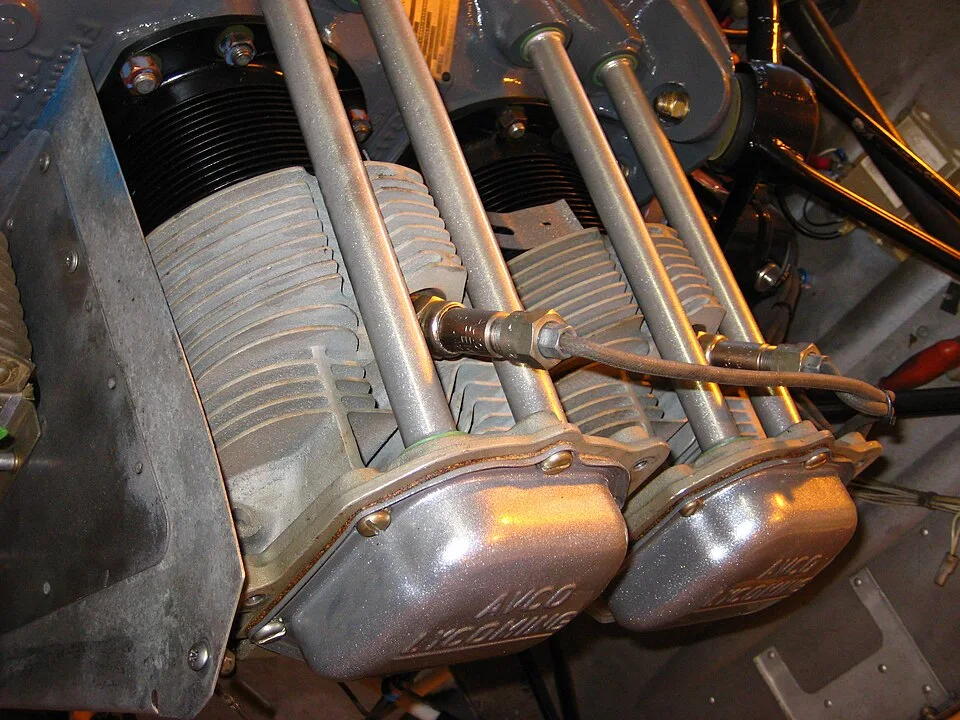

A later component enquiry may need the original paperwork
the Lycoming piston-pin directive demonstrates the value of keeping detailed component evidence. Its applicability enquiry combines the named engine scope, serial tables, installed pin and production-document conditions. Its missing-evidence provision means an unavailable form cannot simply be treated as proof of exclusion.
That example applies only within the directive's stated scope. It is not evidence that all cylinder work on every O-200 or O-235 involves affected pins. Use the example to understand why installation and production records may answer a later question that an abbreviated logbook summary cannot settle.
Prepare the buyer's follow-up
Make a short chronology with the component work, later engine use and any subsequent changes. Identify the source of each statement. Where the file does not explain the reason for the work or its complete scope, ask for the referenced work order instead of supplying an assumed diagnosis.
Condition assessment remains a separate part of the prebuy. This article gives no cylinder replacement interval, compression threshold, break-in procedure or prediction of engine life. Its purpose is to make the history legible: what happened, which parts were involved, and what evidence supports the description being used in the sale.