Lycoming O-235-N2C: 108 hp Cessna 152 Installation and Effectivity
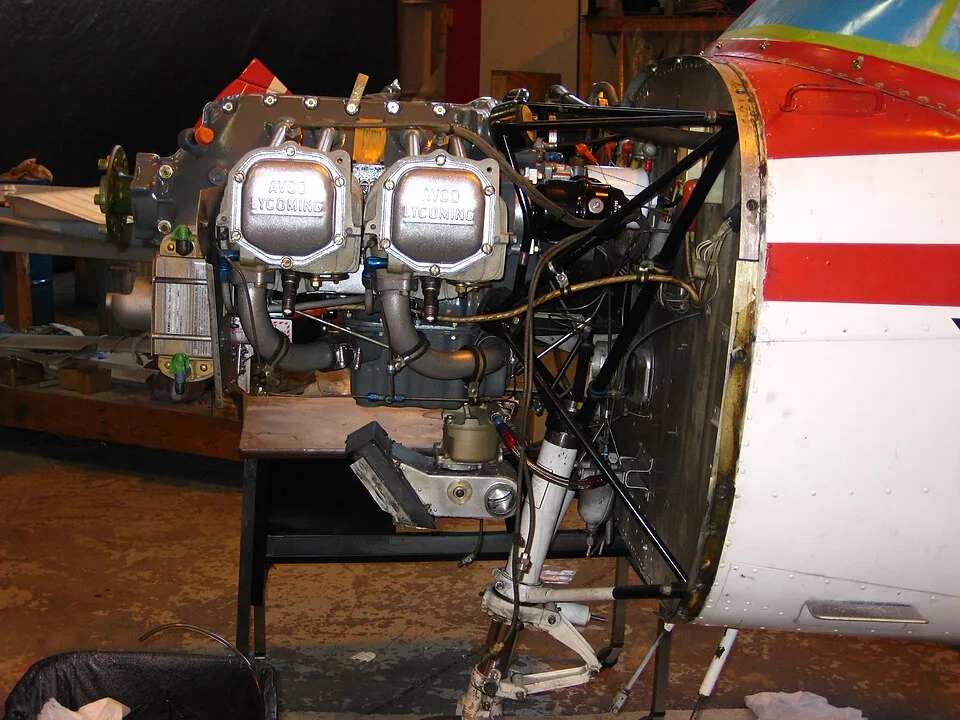
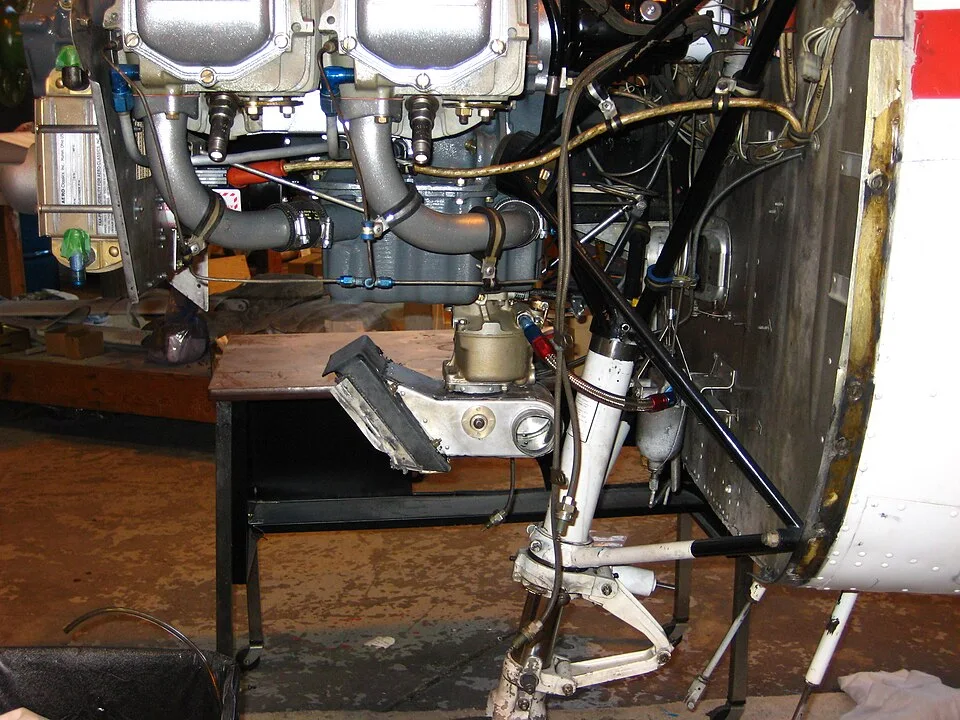
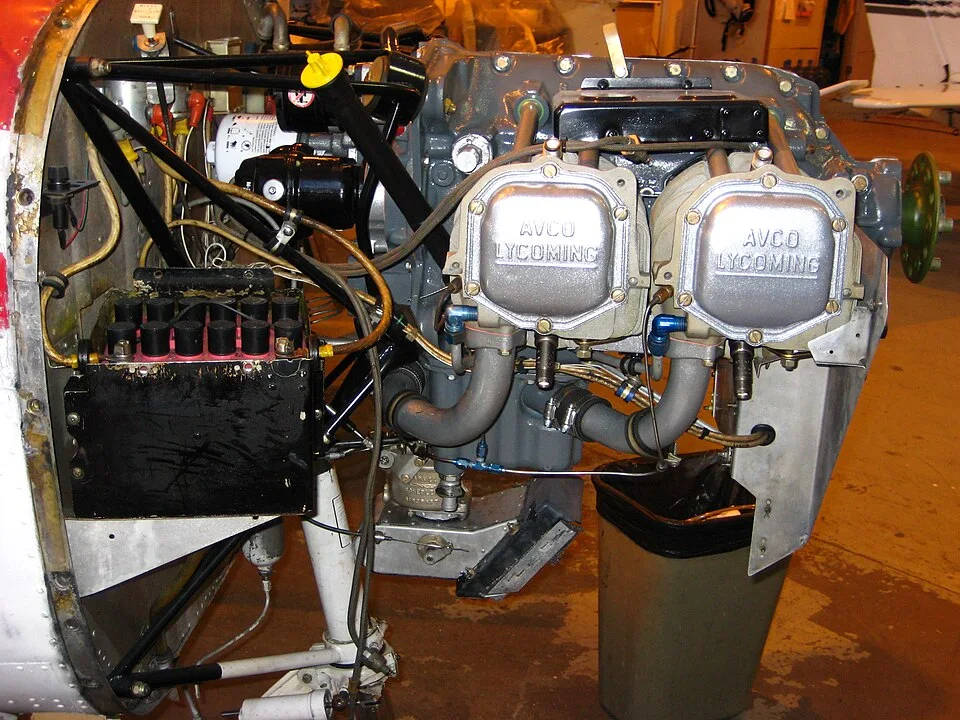
The Lycoming O-235-N2C is the later 152-family engine configuration recorded at 108 hp and 2,550 RPM in the aircraft installation. The separate engine rating is 116 hp at 2,800 RPM. Its identity matters both to late-production research and to aircraft that may have received approved rework. A factory serial group establishes an eligibility relationship; it does not prove the engine currently installed or the work recorded in the logbooks.

What changes from the L2C description
The N2C belongs to the O-235 family, with the recorded 233.3-cubic-inch displacement and a four-cylinder, horizontally opposed, carbureted, direct-drive layout. The significant comparison in this reference is the paired engine and aircraft ratings: N2C 108/116 hp versus L2C 110/118 hp, each at its respective aircraft/engine RPM. It would be misleading to combine one suffix's power with the other's designation or quote the engine maximum as the aircraft rating.
The available evidence does not support an exhaustive internal-parts comparison or a universal claim about operating cost, longevity or overhaul economics. Those questions require the applicable engine publications, actual engine history and current support information. The table records what is established without turning a small rated-power difference into a prediction of aircraft condition or mission performance.
| Engine | Characteristic | Value | Source | Specification Source |
|---|---|---|---|---|
| O-235-N2C | Manufacturer | Lycoming Engines | [1] | [2] |
| O-235-N2C | TC | E-223 | [1] | [2] |
| O-235-N2C | Aircraft installed hp | 108 | [1] | [2] |
| O-235-N2C | Aircraft max rpm | 2550 | [1] | [2] |
| O-235-N2C | Engine TC / manufacturer rated hp | 116 | [1] | [2] |
| O-235-N2C | Engine rated rpm | 2800 | [1] | [2] |
| O-235-N2C | Displacement cu in | 233.3 | [1] | [2] |
| O-235-N2C | Compression | 8.1:1 | [1] | [2] |
| O-235-N2C | Configuration | 4-cylinder horizontally opposed, overhead-valve, spark ignition, four-stroke | [1] | [2] |
| O-235-N2C | Induction | Carbureted | [1] | [2] |
| O-235-N2C | Drive | Direct | [1] | [2] |
| O-235-N2C | Fuel | 100/100LL aviation gasoline | [1] | [2] |

U.S. and Reims boundaries are separate
The U.S. N2C groups begin at 15285595 for the standard 152 and A1521015 for the A152 in the recorded table. The Reims groups begin at F15201929 and FA1520383. These are separate series; a numeric suffix cannot be transferred between prefixes. The annual groups below also preserve the end points and applicability basis, including the qualification about factory installation or approved rework.
The Reims entries continue through their own production context, including years not represented by the U.S. sequence. Conversely, the absence of a service-year entry for a particular FA152 year must not be filled by copying the F152 range. The Reims F152 and FA152 guides explain why source-specific chronology and configuration remain separate research questions.
Recorded installation groups: eligibility is not installed-equipment proof (13 records)
| Origin | Model Year | Aircraft Model | Factory Engine | Installed hp | RPM Limit | First Serial in Group | Last Serial in Group | Applicability Basis | Aircraft Source |
|---|---|---|---|---|---|---|---|---|---|
| France | 1983 | F152 | O-235-N2C | 108 | 2550 | F15201929 | F15201943 | A13EU 1983 model and on / approved rework | [1] |
| France | 1983 | FA152 | O-235-N2C | 108 | 2550 | FA1520383 | FA1520387 | A13EU 1983 model and on / approved rework | [1] |
| France | 1984 | F152 | O-235-N2C | 108 | 2550 | F15201944 | F15201952 | A13EU 1983 model and on / approved rework | [1] |
| France | 1985 | F152 | O-235-N2C | 108 | 2550 | F15201953 | F15201965 | A13EU 1983 model and on / approved rework | [1] |
| France | 1985 | FA152 | O-235-N2C | 108 | 2550 | FA1520388 | FA1520415 | A13EU 1983 model and on / approved rework | [1] |
| France | 1986 | F152 | O-235-N2C | 108 | 2550 | F15201966 | F15201980 | A13EU 1983 model and on / approved rework | [1] |
| France | 1986 | FA152 | O-235-N2C | 108 | 2550 | FA1520416 | FA1520425 | A13EU 1983 model and on / approved rework | [1] |
| USA | 1983 | 152 | O-235-N2C | 108 | 2550 | 15285595 | 15285833 | Factory/approved rework per 3A19; exact aircraft records control accomplishment | [2] |
| USA | 1983 | A152 | O-235-N2C | 108 | 2550 | A1521015 | A1521025 | Factory/approved rework per 3A19 | [2] |
| USA | 1984 | 152 | O-235-N2C | 108 | 2550 | 15285834 | 15285939 | Factory/approved rework per 3A19; exact aircraft records control accomplishment | [2] |
| USA | 1984 | A152 | O-235-N2C | 108 | 2550 | A1521026 | A1521027 | Factory/approved rework per 3A19 | [2] |
| USA | 1985 | 152 | O-235-N2C | 108 | 2550 | 15285940 | 15286033 | Factory/approved rework per 3A19; exact aircraft records control accomplishment | [2] |
| USA | 1985 | A152 | O-235-N2C | 108 | 2550 | A1521028 | A1521049 | Factory/approved rework per 3A19 | [2] |
Rework is not established by eligibility
The applicability basis explicitly leaves accomplishment to aircraft records. An earlier aircraft with a claimed N2C installation therefore needs more than a lookup result: the engine identity and approval history must explain how the current configuration relates to the original aircraft. A table entry that recognizes approved rework does not itself constitute the installation approval or maintenance release.
For a buyer, this changes the sequence of research. Start with the complete aircraft and engine identifiers; then establish the installation basis, associated equipment and applicable operating documentation. Only after that is it useful to compare engine history or advertised specifications. The buying guide provides the broader records guide, and the serial guide handles exceptions before technical conclusions are drawn.

Propeller and performance interpretation
The recorded McCauley application names both L2C and N2C in the same engine-pairing field. That pairing supports the listed propeller installation context; it does not remove the propeller's own diameter, static-RPM and maintenance requirements. Read the 1A103/TCM6958 reference alongside the application rows, particularly when researching a replacement propeller or the hub-cracking directive.
| Origin | Aircraft Model | Model Year / Config | Engine | Exact Propeller Application | Maximum diameter (in) | Minimum diameter (in) | Static RPM minimum | Static RPM maximum | Notes | Primary Authority |
|---|---|---|---|---|---|---|---|---|---|---|
| USA | 152/A152 | All | O-235-L2C/N2C | 1A103/TCM6958 | 69 | 67.5 | 2280 | 2380 | Spinner Dwg 0450073 in aircraft TCDS. | [1] |
| France | F152/FA152 | 1978-1986 | O-235-L2C/N2C | 1A103/TCM6958 | 69 | 67.5 | 2280 | 2380 | - | [2] |
A late engine designation alone cannot establish a cruise speed, fuel burn or range. Aircraft performance depends on the specific source year, power setting, altitude, fuel configuration and reserve basis. The 152 performance guide retains those conditions. A comparison that substitutes an N2C rating into an earlier performance row without source support would create a new, unestablished result.
Continuing-airworthiness research
Engine-related directives can depend on components, repairs and modification history. the 152 AD material should be read with that scope intact; its historical status must be checked against current authority requirements. A record naming an O-235 family component does not prove that the affected component remains installed in a particular N2C.
Use the manuals guide to distinguish engine publications, aircraft operating material and service-manual revisions. The aircraft's loading records also need to reflect its actual equipment. These are complementary sources: none can substitute for identifying the installed engine, establishing the approved configuration and checking the individual maintenance history.