Continental O-200 vs Lycoming O-235 in the Cessna 150 and 152
In the Cessna 150/152 context, the Continental O-200-A is the principal 100-hp factory engine of the U.S. 150 family, while the 152 uses Lycoming O-235 variants with distinct aircraft ratings. The L2C is recorded at 110 hp and the N2C at 108 hp. This comparison concerns those installed-aircraft relationships; it is not a claim that any O-200 and O-235 can be exchanged or compared using one generic specification.
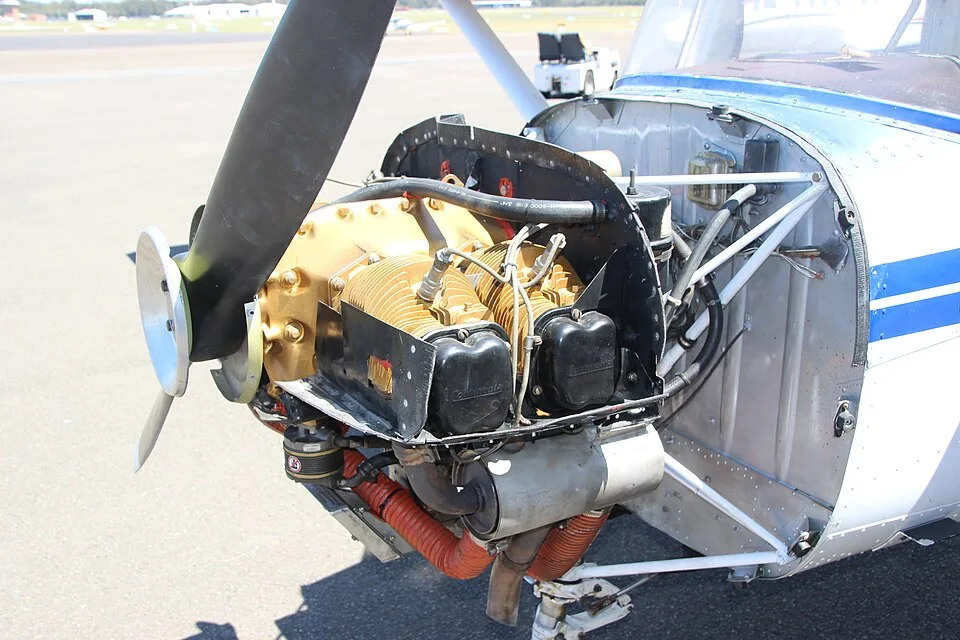

| Model | Aircraft installed hp | Aircraft max rpm | Aircraft Families | Primary Source |
|---|---|---|---|---|
| O-200-A | 100 | 2750 | 150/A150; F150/FA150/FRA150; Argentine A-150L/A-A150L | [1] |
| O-235-L2C | 110 | 2550 | 152/A152/F152/FA152, early production / pre-N2C effectivity | [2] |
| O-235-N2C | 108 | 2550 | 152/A152/F152/FA152, 1983-and-on / approved rework effectivity | [2] |
Identify the suffix before comparing the rating
The O-200-A guide separates that model from other O-200 versions in manufacturer information. The L2C-versus-N2C guide does the same within the O-235 branch. Suffixes identify the engine being discussed and should remain in the aircraft records, parts enquiry and comparison notes.
The table retains the aircraft rating and RPM together. Those entries are not measurements of the power now produced by an individual engine, nor do they isolate the engine's effect on aircraft climb or cruise. The 150-to-152 transition also changed aircraft configuration. A performance comparison needs the applicable aircraft charts and matching conditions rather than a percentage calculated from rated horsepower alone.

Factory effectivity and later work
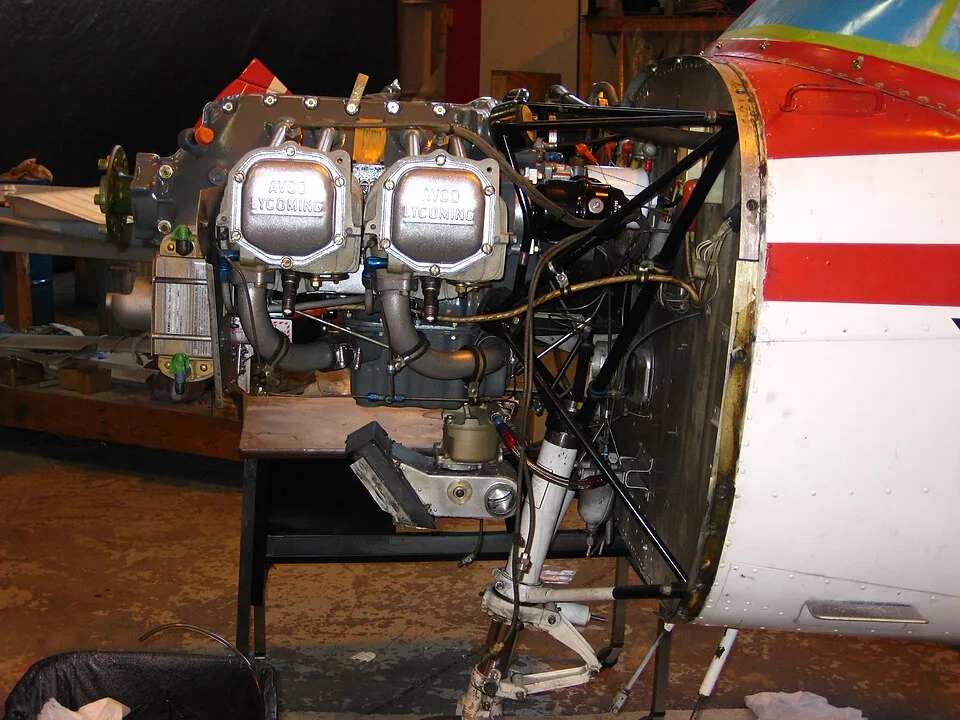
The 152 identity includes original engine effectivity and recorded rework pathways. An engine change can therefore require more investigation than reading the model year. Check the installed engine model and serial, its work history, and the evidence connecting it to the aircraft. The engine-time guide distinguishes the engine's chronology from the airframe's history.
A 150 with an altered engine installation belongs in the conversion research path. Finding the proposed engine in a technical table does not establish an approval for that airframe, propeller or accessory combination. The aircraft's alteration records, supporting approval and operating-document changes must explain the installed configuration.

Maintenance evidence is not transferable by analogy
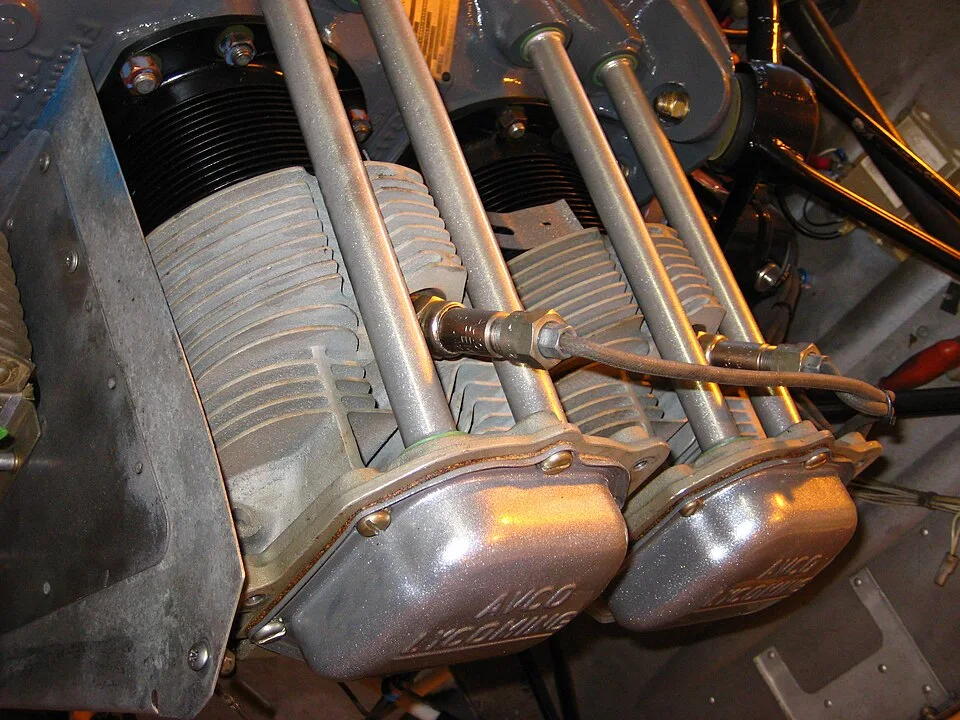
TBO information belongs to the exact engine and the applicable publication, including its conditions. The TBO guide preserves the Lycoming schedule's qualifications and keeps manufacturer recommendations separate from a universal aircraft overhaul deadline. The presence of an O-235 schedule does not establish an O-200 interval under the same conditions.
Propeller-strike guidance is another boundary. The existing strike reference contains a supported Lycoming research path; its instructions cannot be applied to the Continental merely because both engines drive fixed-pitch propellers. The exact Continental guidance gap remains open. A comparison should identify that missing evidence rather than conceal it behind a shared maintenance summary.
What matters in a purchase file?
Put the engine identity, installation approval, propeller application and chronological maintenance entries beside each other. Then identify which questions remain: a time claim, an uncertain alteration, missing work records or an unresolved component applicability issue. The cylinder-work guide helps avoid treating a cylinder event as proof of a whole-engine overhaul.
The 150M-versus-152 comparison connects the engine change to the aircraft generation. This engine page supplies the narrower distinction: which engine record is being evaluated and which evidence can answer its installation and maintenance questions. It does not rank either engine for reliability, fuel consumption or cost without suitable comparative evidence.