Lycoming O-235-L2C: Cessna 152 Power and Installation Limits
The Lycoming O-235-L2C is recorded at 110 hp and 2,550 RPM in the Cessna 152 installation. Its engine certification/manufacturer rating is separately recorded as 118 hp at 2,800 RPM. Those are different operating contexts, not competing descriptions from which to choose the larger number. The aircraft limit governs the aircraft installation; the engine reference explains the underlying engine.
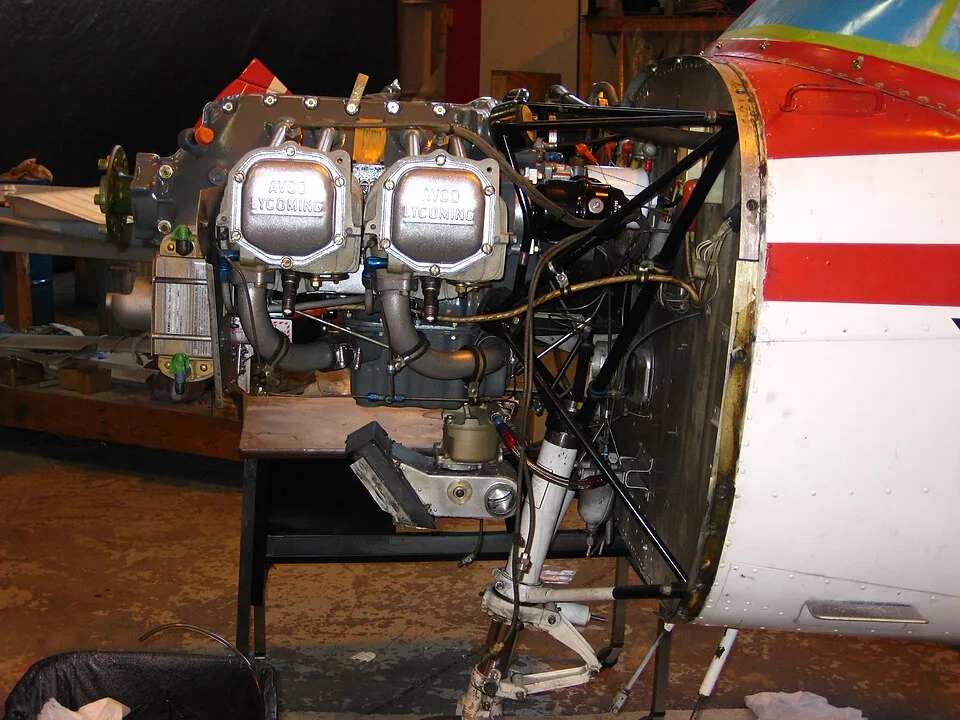

Engine identity and aircraft rating
The L2C is a 233.3-cubic-inch, four-cylinder, horizontally opposed, carbureted engine in the O-235 family. It is air-cooled, normally aspirated and direct-drive. Its recorded compression ratio is 8.5:1, with engine certificate E-223. These characteristics distinguish it from the O-200-A used in the principal 150 installations, but they do not establish an approved L2C conversion for a 150.
The table deliberately places the aircraft and engine ratings beside one another. Increasing the aircraft's permitted RPM cannot be inferred from an engine-family specification. Likewise, an engine advertisement using 118 hp does not establish the performance of a 152 with its aircraft installation limit. For practical comparisons, use the 150 versus 152 guide and the applicable aircraft handbook conditions.
| Engine | Characteristic | Value | Source | Specification Source |
|---|---|---|---|---|
| O-235-L2C | Manufacturer | Lycoming Engines | [1] | [2] |
| O-235-L2C | TC | E-223 | [1] | [2] |
| O-235-L2C | Aircraft installed hp | 110 | [1] | [2] |
| O-235-L2C | Aircraft max rpm | 2550 | [1] | [2] |
| O-235-L2C | Engine TC / manufacturer rated hp | 118 | [1] | [2] |
| O-235-L2C | Engine rated rpm | 2800 | [1] | [2] |
| O-235-L2C | Displacement cu in | 233.3 | [1] | [2] |
| O-235-L2C | Compression | 8.5:1 | [1] | [2] |
| O-235-L2C | Configuration | 4-cylinder horizontally opposed, overhead-valve, spark ignition, four-stroke | [1] | [2] |
| O-235-L2C | Induction | Carbureted | [1] | [2] |
| O-235-L2C | Drive | Direct | [1] | [2] |
| O-235-L2C | Fuel | 100/100LL aviation gasoline | [1] | [2] |
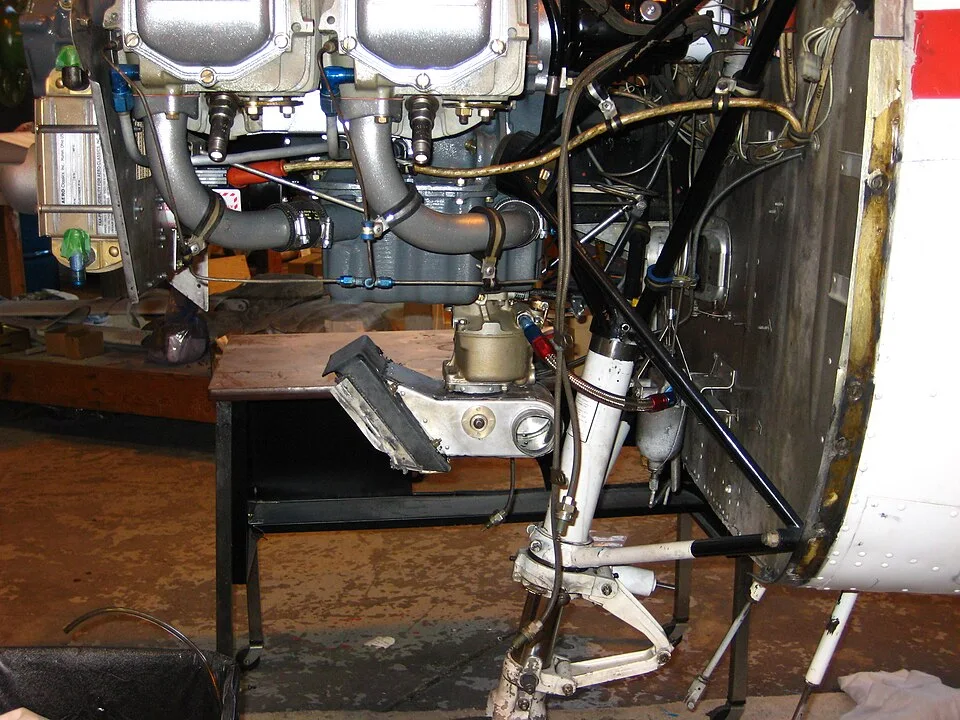

Early production, standard models and Aerobats
The recorded L2C installation groups include U.S. 152 and A152 aircraft and Reims F152 and FA152 aircraft. The model and origin columns preserve those branches. Aerobat identity does not require inventing a different engine rating, but the same engine does not make the aircraft's category, loading envelope or manoeuvre limits interchangeable. The A152 reference and FA152 reference describe their own evidence boundaries.
Special serial assignments also matter. A1500433 appears in the 152-family research as an A152 exception; its prefix is not authority to treat it as an ordinary A150 engine application. The 681/A15200681 notation likewise needs the identity explanation rather than two physical-aircraft assumptions. Resolve those cases in the Cessna 152 serial guide before interpreting the installation table.
Recorded installation groups: eligibility is not installed-equipment proof (22 records)
| Origin | Model Year | Aircraft Model | Factory Engine | Installed hp | RPM Limit | First Serial in Group | Last Serial in Group | Applicability Basis | Aircraft Source |
|---|---|---|---|---|---|---|---|---|---|
| France | 1978 | F152 | O-235-L2C | 110 | 2550 | F15201429 | F15201528 | A13EU 1978-1982 model production | [1] |
| France | 1978 | FA152 | O-235-L2C | 110 | 2550 | FA1520337 | FA1520347 | A13EU 1978-1982 model production | [1] |
| France | 1979 | F152 | O-235-L2C | 110 | 2550 | F15201529 | F15201673 | A13EU 1978-1982 model production | [1] |
| France | 1979 | FA152 | O-235-L2C | 110 | 2550 | FA1520348 | FA1520357 | A13EU 1978-1982 model production | [1] |
| France | 1980 | F152 | O-235-L2C | 110 | 2550 | F15201674 | F15201808 | A13EU 1978-1982 model production | [1] |
| France | 1980 | FA152 | O-235-L2C | 110 | 2550 | FA1520358 | FA1520372 | A13EU 1978-1982 model production | [1] |
| France | 1981 | F152 | O-235-L2C | 110 | 2550 | F15201809 | F15201893 | A13EU 1978-1982 model production | [1] |
| France | 1981 | FA152 | O-235-L2C | 110 | 2550 | FA1520373 | FA1520377 | A13EU 1978-1982 model production | [1] |
| France | 1982 | F152 | O-235-L2C | 110 | 2550 | F15201894 | F15201928 | A13EU 1978-1982 model production | [1] |
| France | 1982 | FA152 | O-235-L2C | 110 | 2550 | FA1520378 | FA1520382 | A13EU 1978-1982 model production | [1] |
| USA | 1978 | 152 | O-235-L2C | 110 | 2550 | 15279406 | 15282031 | Factory / type-design | [2] |
| USA | 1978 | A152 | O-235-L2C | 110 | 2550 | A1520735 | A1520808 | Factory / type-design | [2] |
| USA | 1978 | A152 | O-235-L2C | 110 | 2550 | A1500433 | A1500433 | Factory / type-design special serial | [2] |
| USA | 1979 | 152 | O-235-L2C | 110 | 2550 | 15282032 | 15283591 | Factory / type-design | [2] |
| USA | 1979 | A152 | O-235-L2C | 110 | 2550 | A1520809 | A1520878 | Factory / type-design | [2] |
| USA | 1979 | A152 | O-235-L2C | 110 | 2550 | 681 | A15200681 | Factory / type-design special serial | [2] |
| USA | 1980 | 152 | O-235-L2C | 110 | 2550 | 15283592 | 15284541 | Factory / type-design | [2] |
| USA | 1980 | A152 | O-235-L2C | 110 | 2550 | A1520879 | A1520943 | Factory / type-design | [2] |
| USA | 1981 | 152 | O-235-L2C | 110 | 2550 | 15284542 | 15285161 | Factory / type-design | [2] |
| USA | 1981 | A152 | O-235-L2C | 110 | 2550 | A1520944 | A1520983 | Factory / type-design | [2] |
| USA | 1982 | 152 | O-235-L2C | 110 | 2550 | 15285162 | 15285594 | Factory / type-design | [2] |
| USA | 1982 | A152 | O-235-L2C | 110 | 2550 | A1520984 | A1521014 | Factory / type-design | [2] |
Relationship to the later N2C
The later O-235-N2C is recorded at 108 hp in the aircraft installation. That makes “every 152 has a 110 hp engine” an inaccurate generalization for this source set. The N2C also has its own production/rework effectivity, so an early serial number and a present engine suffix must be reconciled through aircraft records rather than forced into a factory-only story.
A replacement engine may share much of the family designation while still requiring a different installation and documentation analysis. Read the whole suffix and the applicable approval basis. This guide supplies the recorded L2C groups; it does not certify which engine is installed today or what work was accomplished during a past overhaul or replacement.
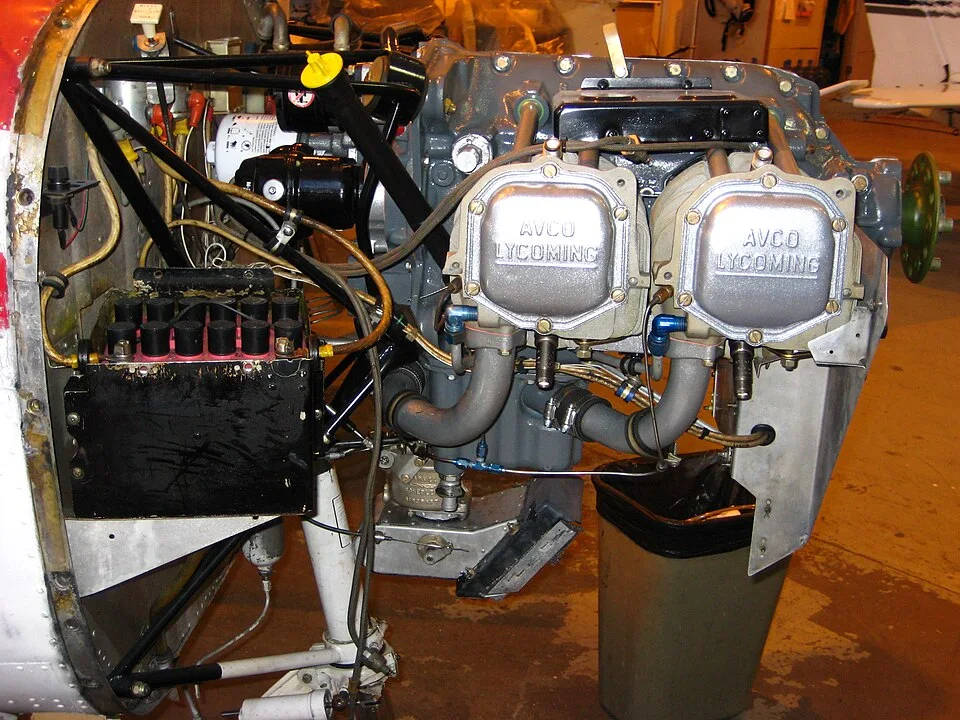

Propeller pairing and operating context
the 152/A152 and F152/FA152 applications name McCauley 1A103/TCM6958 with the L2C/N2C pairing. The application table retains U.S. and French entries independently. The TCM propeller guide explains its 69-inch maximum, 67.5-inch minimum diameter and recorded static-RPM window, together with the installed-propeller AD research path.
| Origin | Aircraft Model | Model Year / Config | Engine | Exact Propeller Application | Maximum diameter (in) | Minimum diameter (in) | Static RPM minimum | Static RPM maximum | Notes | Primary Authority |
|---|---|---|---|---|---|---|---|---|---|---|
| USA | 152/A152 | All | O-235-L2C/N2C | 1A103/TCM6958 | 69 | 67.5 | 2280 | 2380 | Spinner Dwg 0450073 in aircraft TCDS. | [1] |
| France | F152/FA152 | 1978-1986 | O-235-L2C/N2C | 1A103/TCM6958 | 69 | 67.5 | 2280 | 2380 | - | [2] |
Maintenance records and source boundaries
An oil-pump or ignition issue may apply through installed parts, modification history or an engine-specific directive. It should not be assigned merely because an aircraft belongs to the 152 family. The 152 AD reference preserves the conditions and historical status, including distinctions between active and superseded records. No aircraft-level compliance determination follows from an engine page.
The recorded engine fuel description is 100/100LL aviation gasoline. It does not authorize another grade or fuel-related modification. Similarly, engine catalogue weights do not replace the aircraft's current empty weight and moment. Follow the 152 loading guide for the separate aircraft limits, then reconcile the actual equipment list and records. A sound prebuy investigation connects these documents to the installed engine rather than using nominal horsepower as a proxy for condition.