Cessna 152 Propellers: McCauley Applications and Installation Limits
The documented factory propeller application for the Cessna 152 family is McCauley 1A103/TCM6958 with the applicable Lycoming O-235-L2C/N2C installation. The source retains separate U.S. and Reims application rows even where their numerical limits agree. This page explains the exact designation, diameter and static-RPM context, the role of the aircraft authority and the installed-product evidence needed for maintenance research.
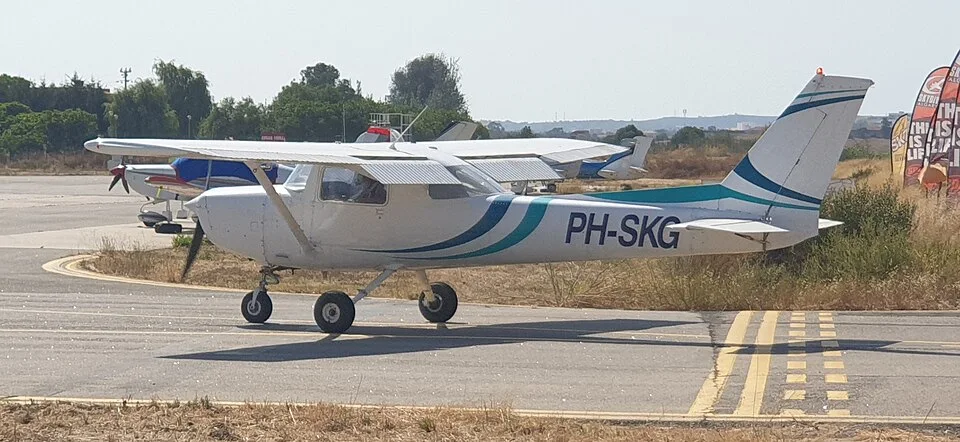

For focused questions across the two families, use the propellers topic guide. This Cessna 152 reference retains the detailed family records and their applicability.
The 1A103/TCM6958 reference connects the exact application with its diameter and static-RPM limits. Follow AD 2010-04-05 for the separate installed-propeller hub-cracking research path.
Start with the 152 model identity and engine applicability. A propeller family name or a nominal diameter alone cannot establish an approved pairing. The full application, airframe model, engine variant and actual propeller identification should agree with the controlling installation documents before the data is used to assess a particular aircraft.
Exact Application and Basic Propeller Family
The source's exact application is more specific than the broad 1A103/TCM series used in some maintenance and AD descriptions. That distinction matters because an aircraft application and a component-family requirement can have different scope. The aircraft table identifies the documented pairing; an AD can require a separate check of the installed propeller model, serial or hub condition.
For the U.S. 152/A152 row, the source records spinner drawing 0450073 in the aircraft TCDS. The spinner is therefore part of the documented installation context rather than an unrelated cosmetic detail. The row does not prove which spinner or propeller is fitted today, and an installed assembly still needs to be checked against its own approval and condition evidence.
A component catalog may use a basic model, an application designation or several related labels. Keep the exact wording when following a source. Removing suffixes to make two entries look similar can obscure the relationship that matters for approval, dimensions or maintenance. The table preserves that specificity rather than reducing the installation to a generic two-blade propeller description.
| Application Designation(s) | Manufacturer | Engine | Aircraft Family | Max Dia | Min Dia | Static RPM | Factory/STC | Primary Source |
|---|---|---|---|---|---|---|---|---|
| 1A103/TCM6958 | McCauley | O-235-L2C / N2C | 152/A152/F152/FA152 | 69 | 67.5 | 2280-2380 | Factory/type-design | 3A19 / A13EU |
U.S. and Reims Applications
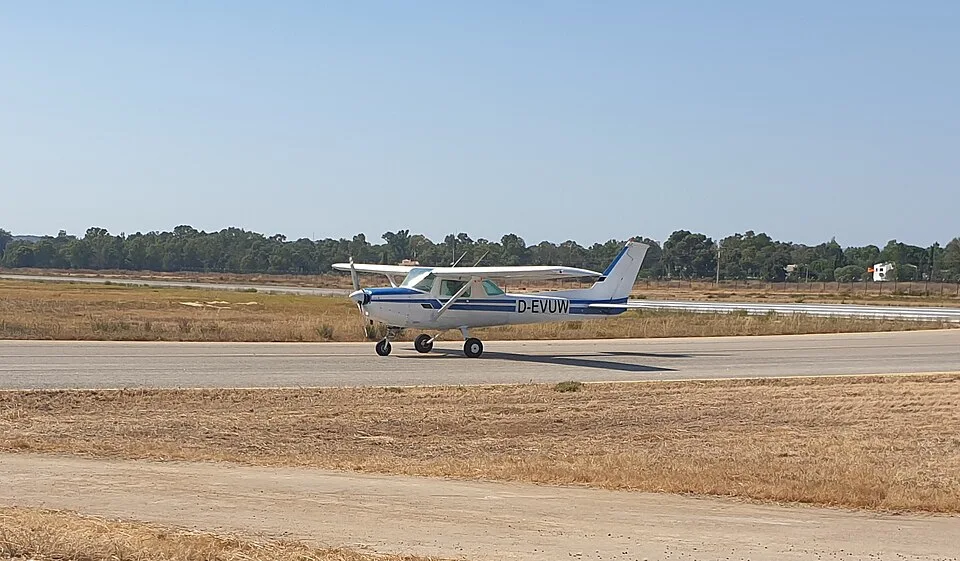
The U.S. application explicitly names 152/A152. The French application explicitly names F152/FA152 and records 1978-1986 coverage. Their separate aircraft-source references preserve the authority for each installation. The agreement in listed diameter and static RPM does not turn the two rows into permission to inherit unrelated U.S. operating or loading limits on a Reims aircraft.
The F152 model guide and FA152 model guide distinguish French production and handbook effectivity. Those distinctions remain useful even when the propeller application itself is shared. Aircraft approval context, engine installation and current modifications must remain attached to a replacement or maintenance question.
The O-235-L2C/N2C wording covers the engine variants in the recorded application. It does not establish that any engine carrying the O-235 family name can use the same propeller on any aircraft. The engine guide identifies the actual aircraft effectivity and approved-rework boundary for the two variants.
| Aircraft Model | Model Year / Config | Engine | Exact Propeller Application | Max Dia | Min Dia | Static Min | Static Max | Notes | Primary Authority |
|---|---|---|---|---|---|---|---|---|---|
| 152/A152 | All | O-235-L2C/N2C | 1A103/TCM6958 | 69 | 67.5 | 2280 | 2380 | Spinner Dwg 0450073 in aircraft TCDS. | [1] |
| F152/FA152 | 1978-1986 | O-235-L2C/N2C | 1A103/TCM6958 | 69 | 67.5 | 2280 | 2380 | - | [2] |
Diameter Limits and Installed Condition
The application rows record a maximum diameter of 69 inches and a minimum of 67.5 inches. These are limits attached to the stated application. They should not be treated as a selection menu for an arbitrary propeller or used to justify a dimension taken from a neighboring Cessna model's table.
A propeller's measured condition and repair history are separate from the nominal application description. The data does not establish whether a particular propeller has been repaired, altered or remains within all applicable limits. A diameter match alone cannot establish serviceability, the correct model or the complete approval basis.
For a buyer, the useful question is whether the actual propeller identity and maintenance records agree with the aircraft installation evidence. For a mechanic, the applicable inspection and repair documents control the evaluation. This reference supplies the source relationship, not a repair instruction or a method for removing material to meet a number.

Static RPM Is an Installation Check
The listed static-RPM range is 2,280 to 2,380 for the exact application. This is distinct from the aircraft engine maximum of 2,550 RPM and from the engine manufacturer's rating at a different RPM. Each figure describes a different operating or certification context. A single RPM label without its context is insufficient for comparing installations.
A static-RPM result must be interpreted using the applicable aircraft and engine conditions. The family table does not identify the cause of a result outside a specified band, nor can it determine whether the engine, propeller, instrumentation or conditions explain the observation. The controlling documents and actual aircraft evidence are needed for that evaluation.
Do not use the static range as a cruise recommendation or as a way to infer engine horsepower. The performance guide retains power and altitude conditions for published cruise results, while the aircraft handbook supplies the operating information relevant to a flight. Ground installation data and flight-performance data answer different questions.
Propeller-Hub AD Research
The AD reference includes the McCauley 1A103/TCM hub-crack lineage. The source records superseded predecessor directives and a later current-status record. A historical directive can help explain the maintenance lineage, but it must not be presented as another independent current requirement without reading the supersession relationship.
The controlling applicability is to the affected installed propeller. An airframe serial matching the Cessna 152 family does not prove which propeller remains on the aircraft, and a factory application does not establish compliance. Propeller identification, component records and the actual directive are required to connect a particular installation to the relevant action.
The known-issues guide retains hub cracking as a failure-mode topic. Its presence is a reason to investigate the proper evidence, not a statement that every Cessna 152 propeller is cracked. The distinction between applicability, required action, compliance and present condition is especially important when reviewing a used aircraft's records.
Engine Events and Propeller History
A propeller strike or sudden-stoppage event can lead to engine-related research as well as propeller inspection. the Lycoming directive context is conditional on the specified event and affected product. The website does not infer that an event occurred from a propeller replacement or from an airframe's age.
Keep the propeller's own history alongside the engine and airframe records. A replacement component can bring different identification and maintenance evidence even though the aircraft model and serial do not change. The airframe serial is therefore a link into the investigation, not a summary of every component's service life.
A general statement that a propeller was inspected is not enough to establish compliance with every applicable directive or maintenance requirement. The specific records and controlling documents determine what was required and what was completed. This page deliberately does not turn a factory-application match into an aircraft-specific compliance result.

Alterations, Performance and Loading
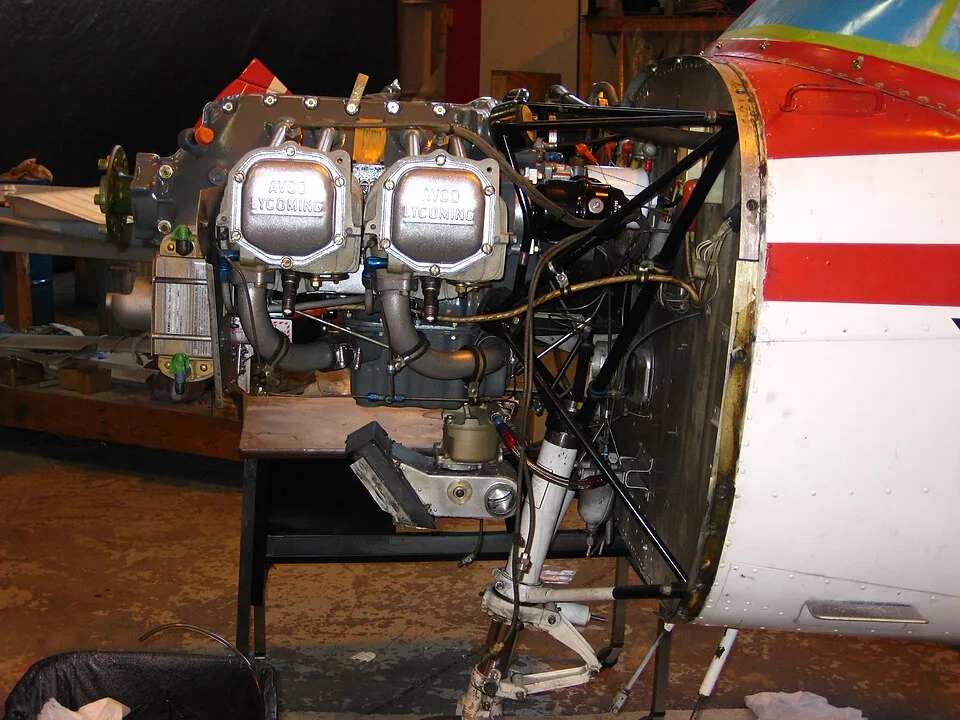
If an aircraft has an approved alteration affecting its engine or propeller, the factory table is only the original research context. The alteration's approval, limitations and supplements must establish the new pairing. Eligibility for an STC is not proof of installation, and a claimed performance improvement does not establish an approved configuration.
A different installed assembly can also affect equipment and weight-and-balance records. Do not substitute a catalog component weight for an actual aircraft empty-weight change without the applicable installation accounting. The loading guide explains why the current aircraft report is necessary even when certified limits remain unchanged.
For performance comparisons, preserve the source aircraft, engine and propeller conditions. The site does not predict cruise, climb or runway results by changing a propeller label in a standard performance row. The appropriate supplement or aircraft documentation must establish the result for the installed configuration.
Following the Source Documents
The U.S. 3A19 reference and Reims A13EU reference provide the aircraft approval context. Cessna SEB00-7 provides a manufacturer serial cross-check. An aircraft source establishes an approved application; component maintenance and service documents answer different questions about inspection, repair and continued service.
The manuals guide distinguishes aircraft handbooks, maintenance publications and component documents. Use the correct document class for the task rather than treating any page containing the propeller designation as sufficient authority.
Individual Cessna 152 Model References
- Cessna 152 - 1978-1985
- Cessna A152 Aerobat - 1978-1985
- Reims/Cessna F152 - 1978-1986
- Reims/Cessna FA152 Aerobat - 1978-1986
Related Cessna 152 Subjects
- Cessna 152 aircraft reference
- Serial ranges and identity exceptions
- Models and Variants
- Specifications and Certified Limits
- Engines and Applicability
- Performance by Model Year
- Fuel Capacity and Tanks
- Weight, CG and Loading
- Systems and Production Changes
- Airworthiness Directives
- Known Issues and Prebuy Research
- Manuals and Documents