Cessna 150M vs 152: Engine, Fuel and Weight Transition
The 150M-to-152 comparison crosses an engine and configuration transition, not just a change in model number. The final standard 150 model leads to the Continental O-200-A installation; the standard 152 introduces Lycoming O-235 variants and a different electrical-system context. Those differences are useful starting points for a mission-based comparison.

Identify the engine variant
The O-200-A reference records the 100-hp aircraft application. The O-235 comparison distinguishes the 110-hp L2C and 108-hp N2C aircraft ratings from their engine-rated figures. Calling every 152 a single horsepower specification would erase that distinction.

Fuel and loading differences
The standard fuel records retain 26 gallons total for both families while distinguishing 22.5 usable in the 150 landplane context from 24.5 usable in the 152 entry. The capacity guide explains why the total alone is an incomplete comparison. Long-range configurations have their own evidence.
Certified maximum weight and published empty weight are also different quantities. A higher permitted maximum does not establish the useful load of the aircraft for sale. Compare the actual weight-and-balance reports and equipment using the useful-load guide, including the center-of-gravity constraints.
Systems and performance
The electrical reference describes the 150-to-152 voltage transition. Other equipment and production details still require model and serial evidence. The performance hub preserves the conditions behind cruise, range and runway comparisons instead of treating the engine change as a percentage improvement in every metric.
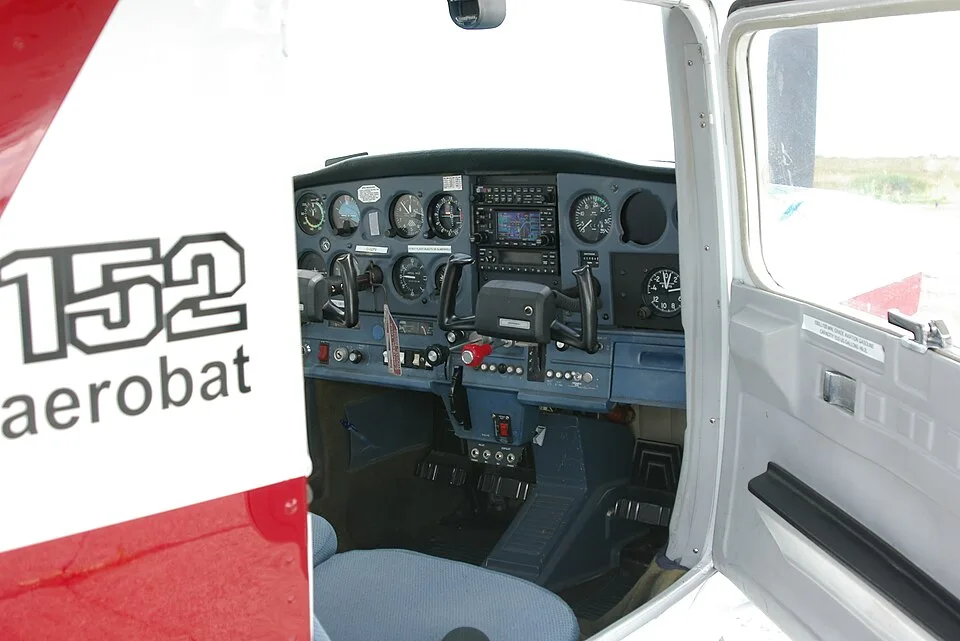
For a purchase, use the 150M model page and 152 model page to establish the candidate identities, then review maintenance, alterations and records. This standard U.S. comparison is not numerical authority for a Reims aircraft or an Aerobat, and it does not predict the condition of an individual engine or airframe.


Document the comparison
A practical comparison sheet should include the legal model, engine variant, tank configuration, current empty-weight record and any relevant supplements for each aircraft. Separate known differences from missing information. That approach lets the inspecting professionals address the actual gaps and prevents a model transition from being treated as a guarantee that every later aircraft better serves the intended mission.