Cessna 150 and 152 Brakes: Hydraulic Components and Production Changes
the later-family brake description identifies pedal master cylinders, hydraulic lines and single-disc wheel brakes. Copilot pedals are interconnected where that equipment is installed. This is a system relationship, not proof that every aircraft carries the same pedal, cylinder or brake assembly.
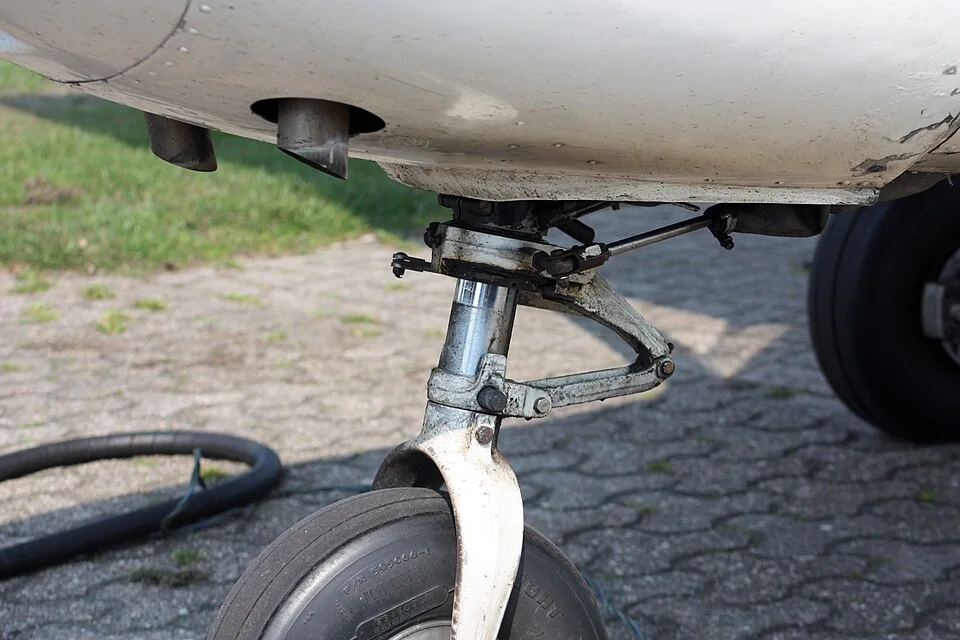

Establish the installed brake configuration
A model designation is the beginning of the investigation. Identify the installed parts and the documentation supporting replacements or alterations before deciding which maintenance illustration or procedure applies. The presence of pedals on both sides does not remove the need to establish the exact configuration.
| Reference family | System ID | Subsystem | Factory Applicability | Architecture / Components | Operational Interface | Configuration Status | Primary Source |
|---|---|---|---|---|---|---|---|
| Cessna 150 | SYS-BRAKE | Hydraulic wheel brakes | Later family | Pedal master cylinders, hydraulic lines, single-disc wheel brakes; copilot pedals interconnected where installed. | Differential braking and stopping. | Brake assembly/vendor details vary. | [1] |
| Cessna 152 | SYS-BRAKE | Hydraulic wheel brakes | Later family | Pedal master cylinders, hydraulic lines, single-disc wheel brakes; copilot pedals interconnected where installed. | Differential braking and stopping. | Brake assembly/vendor details vary. | [1] |
- [1] 152 POH
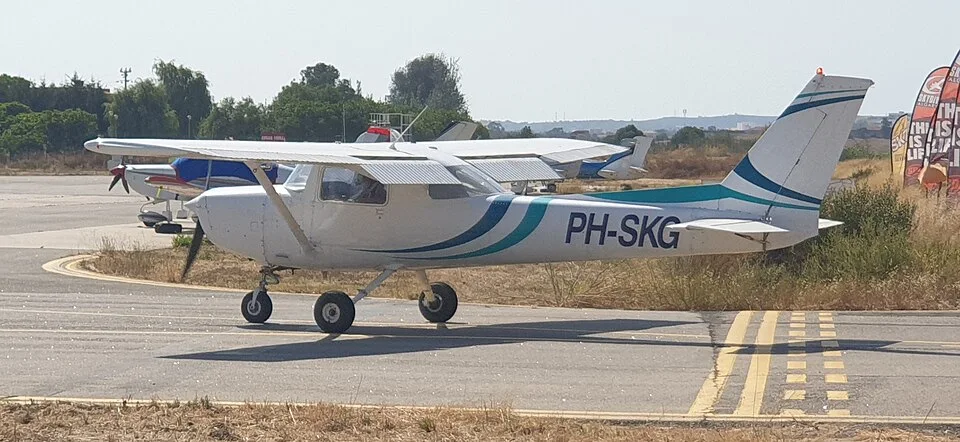

The 152 master-cylinder boundary
The source transition identifies a revised master-cylinder configuration or procedure beginning with 1979 models, following the 1978 arrangement. It is a useful publication-selection clue. It does not authorize combining parts or procedures from the two descriptions, and the actual aircraft records remain necessary when components have been changed.
| Effectivity | System | Before | After / Change | Source |
|---|---|---|---|---|
| 152 through 1978 -> beginning 1979 models | Brake master cylinder | Earlier master-cylinder detail | Revised master-cylinder configuration/procedure in service manual | [1] |
Brake findings in a prebuy
Ask the inspecting mechanic to distinguish a brake-system finding from a wheel, tire, steering or main-gear structural finding. They can affect the same ground-handling experience but need different evidence and maintenance responses. The landing-gear system guide provides the surrounding component relationships.
A satisfactory historical maintenance entry is not a current condition assessment. Look for a clear description of the work, the installed configuration and any unresolved discrepancy rather than treating a generic serviced-brakes entry as a complete answer. This reference intentionally provides no adjustment values, bleeding sequence or return-to-service judgment.
For source selection, the Cessna 152 D2064 reference explains why base editions and temporary revisions must be considered separately. Obtain the applicable controlled information for the aircraft and component before maintenance is performed.
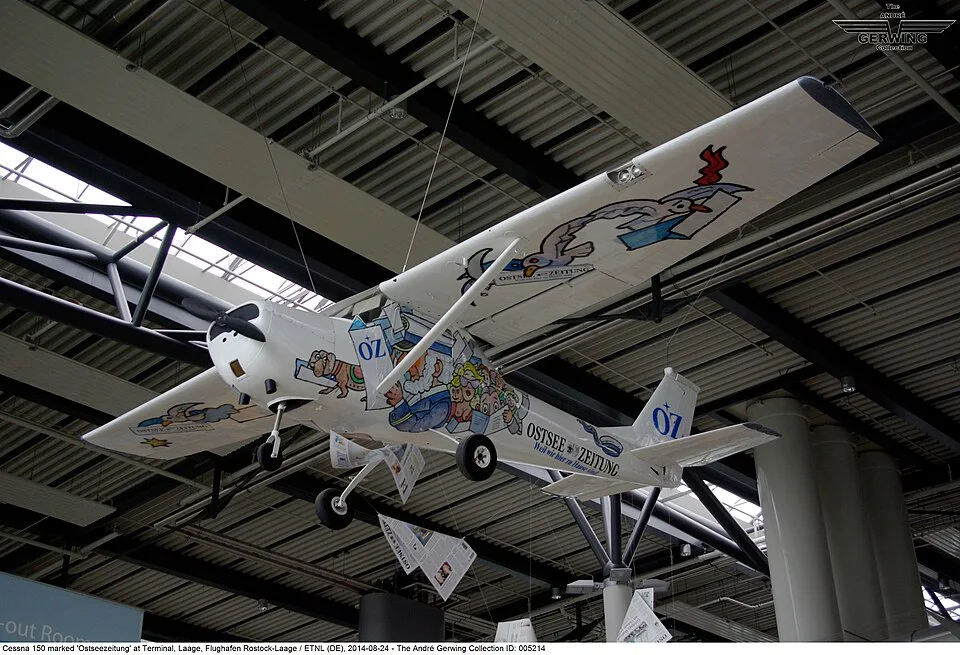

A document-selection example
A 152 described only by its year may lead a researcher toward the master-cylinder transition, but the correct illustration still needs the aircraft and component effectivity. If the current parts differ from the expected production arrangement, investigate the documented change. Do not treat the difference alone as either an approved improvement or an unauthorized installation; the records must establish what was done.
The 150A model reference records the Goodyear-to-Cleveland wheel and brake transition at serial 15059119. That narrower factory boundary is more useful for a parts-document search than an early-150 label; the installed assembly still needs its own identification.