Cessna 150/152 Carburetor Heat: System Purpose and Evidence
Carburetor heat concerns the engine's induction air, while cabin heat concerns the occupied cabin. The similar cockpit names can hide that difference when a new Cessna 150 or 152 owner starts reading system descriptions. This page explains the induction-icing question and how to research the installed system; the applicable aircraft handbook remains the source for operating procedures and limitations.
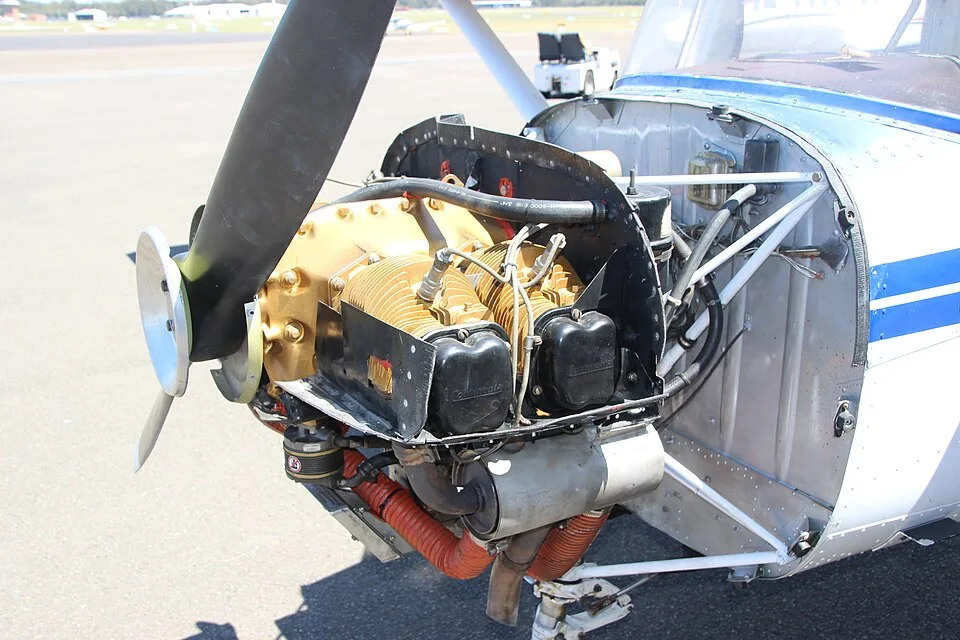

Why warm weather does not settle the question
FAA AC 20-113 distinguishes impact, throttle and fuel-vaporization icing. Cooling within the induction process can produce icing even when outside air is above freezing, and visible moisture is not necessary for throttle icing. The circular explains that airflow restriction and mixture disturbance can reduce engine power. Its discussion is general guidance, not a Cessna-specific performance chart.
The practical lesson for research is to separate outside weather observations from the conditions inside the induction system. “It was a warm day” does not answer the entire icing question. Equally, a power-loss description alone does not establish icing as the cause of an individual event; other evidence would be needed.
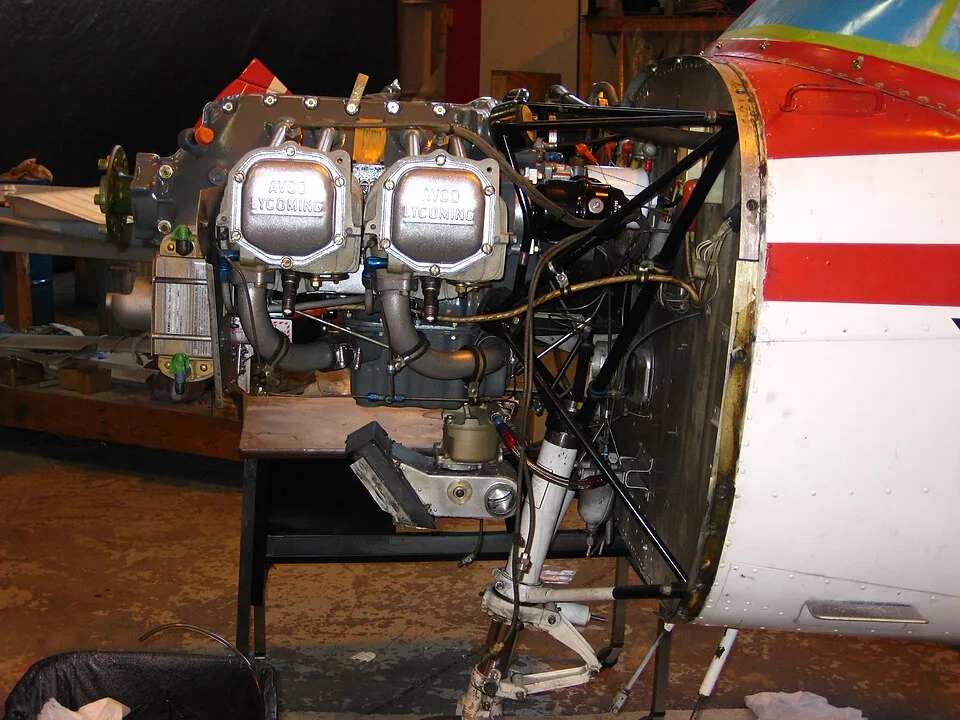

Follow the installed induction system
Begin with the exact engine and any conversion records. The O-200 guide and O-235 comparison identify different engine branches, while the conversion guide explains why a factory installation summary may no longer describe the aircraft. Do not transfer a control instruction from a neighboring engine installation solely because the airframe is a 150 or 152.
The cabin-heat guide addresses a separate airflow purpose. An inspection or repair record for cabin heating should not be treated as evidence that the induction-air controls were also inspected. Read the work description to establish the system and components actually covered.
Use the handbook for control use
The FAA circular discusses carburetor heat and alternate-air precautions, but it cannot establish an exact run-up RPM change, descent technique or control sequence for every aircraft in this family. Find those instructions in the applicable operating material and resolve missing configuration evidence before applying a remembered procedure.
For a buyer, a useful question is whether the installed controls, engine configuration and operating documents agree. If a seller supplies a generic checklist, ask which applicable handbook or approved supplement supports it. This is particularly important after an engine or induction-system alteration.
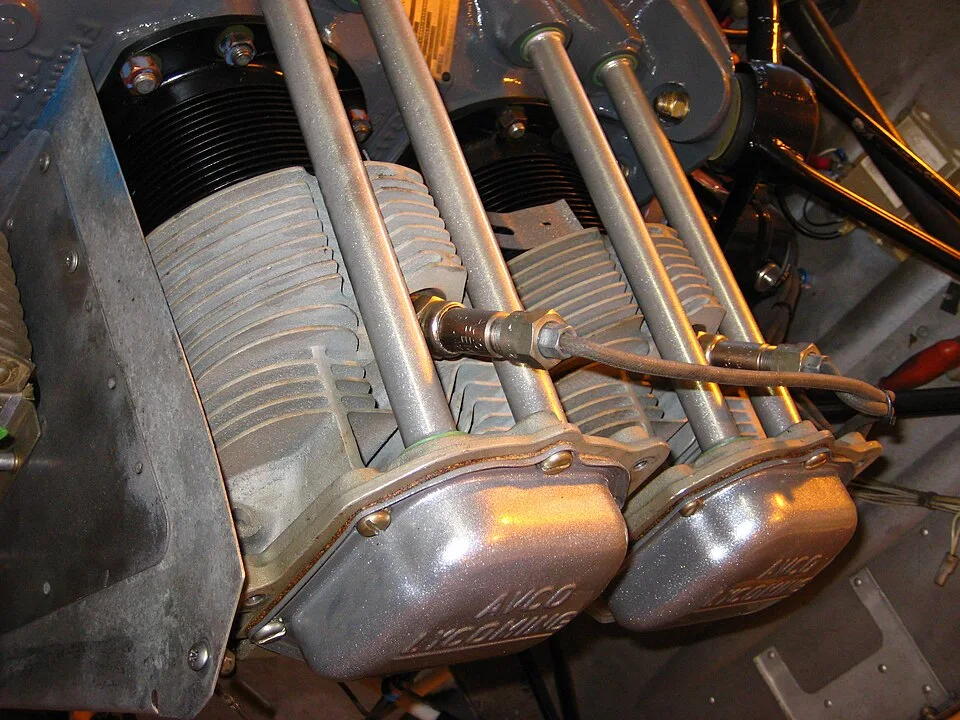

Keep maintenance concerns distinct
The air-filter issue guide and fuel-system guide lead to related but different component questions. A filter approval, fuel-strainer inspection or carburetor-heat check does not automatically answer the others. Keep each record attached to the relevant component and procedure.
When preparing a maintenance discussion, note the symptom or discrepancy as observed, the installed engine and the document being consulted. Avoid writing an unverified diagnosis into the history. This approach gives the mechanic a useful starting point while keeping general induction-icing education separate from an aircraft-specific finding or flight instruction.