Cessna 150 and 152 Pitot-Static and Instrument Relationships
The pitot and static systems supply pressure information to the relevant instruments. the records identify the pitot head and line to the airspeed indicator, and static plumbing serving the airspeed indicator, altimeter, vertical-speed indicator and other equipment as installed. An instrument-panel photograph cannot establish the complete plumbing or approval basis.
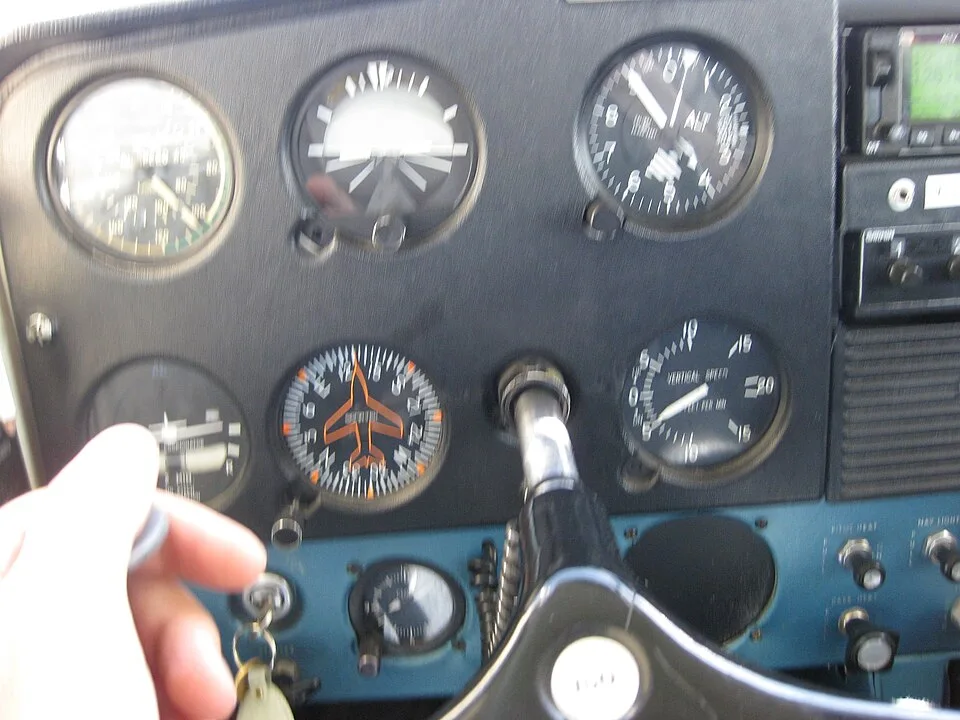

Instrument function and installation evidence
The flight-instrument record lists the airspeed indicator, altimeter and compass, with other instruments depending on installed equipment. The presence of a particular instrument is therefore an aircraft-specific fact. Its type, connection and alteration history should be established from the equipment and maintenance records.
| Reference family | System ID | Subsystem | Factory Applicability | Architecture / Components | Operational Interface | Configuration Status | Primary Source |
|---|---|---|---|---|---|---|---|
| Cessna 150 | SYS-PITOT | Pitot system | All | Pitot head/tube, pressure line, ASI. | Dynamic pressure. | Pitot heat optional where installed. | [1] |
| Cessna 150 | SYS-STATIC | Static system | All | Static source/plumbing to ASI, altimeter, VSI and other instruments as installed. | Static pressure reference. | Port arrangement varies by era. | [1] |
| Cessna 150 | SYS-STALL-E | Electrical stall warning | Pre-150F architecture | Electrical sensing/warning arrangement. | Stall warning. | Early system only. | [2] |
| Cessna 150 | SYS-STALL-P | Pneumatic stall warning | 150F and later; 152/A152 | Leading-edge inlet, tubing and air-operated horn. | Stall warning. | Standard cited later architecture. | [3] |
| Cessna 150 | SYS-FLTINST | Flight instruments | All | ASI, altimeter, compass and other installed flight instruments; VSI/gyro/turn instruments by equipment. | Flight reference. | Power source varies. | [4] |
| Cessna 152 | SYS-PITOT | Pitot system | All | Pitot head/tube, pressure line, ASI. | Dynamic pressure. | Pitot heat optional where installed. | [1] |
| Cessna 152 | SYS-STATIC | Static system | All | Static source/plumbing to ASI, altimeter, VSI and other instruments as installed. | Static pressure reference. | Port arrangement varies by era. | [1] |
| Cessna 152 | SYS-STALL-P | Pneumatic stall warning | 150F and later; 152/A152 | Leading-edge inlet, tubing and air-operated horn. | Stall warning. | Standard cited later architecture. | [3] |
| Cessna 152 | SYS-FLTINST | Flight instruments | All | ASI, altimeter, compass and other installed flight instruments; VSI/gyro/turn instruments by equipment. | Flight reference. | Power source varies. | [4] |
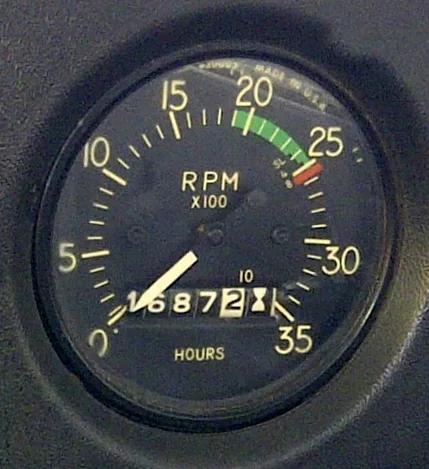

Keep warning systems separate
The stall-warning architecture has its own history: the records distinguish an early electrical arrangement from a later pneumatic inlet, tubing and horn. That warning path should not be treated as another interchangeable part of the pitot-static instrument plumbing. The systems hub links these subjects without merging their functions.
A discrepancy in an indication needs assessment against the actual system and applicable maintenance information. This overview deliberately supplies no pressure-test method, calibration tolerance or inspection interval. Those details depend on controlling requirements and the installation, and should not be reconstructed from a general architecture table.
Prebuy and modification questions
Ask whether instrument replacements, avionics work or other alterations changed the equipment or plumbing. Check that the records identify the installed instruments and the relevant work. A conditional instrument AD must be matched to the affected component, not assigned to every aircraft that shares the airframe model.
The logbook research guide helps organize that evidence trail. For performance interpretation, the cruise-speed reference also explains why speed units and the source's airspeed definition matter. A published performance figure and the aircraft's instrument indication are related subjects, but they are not the same measurement.
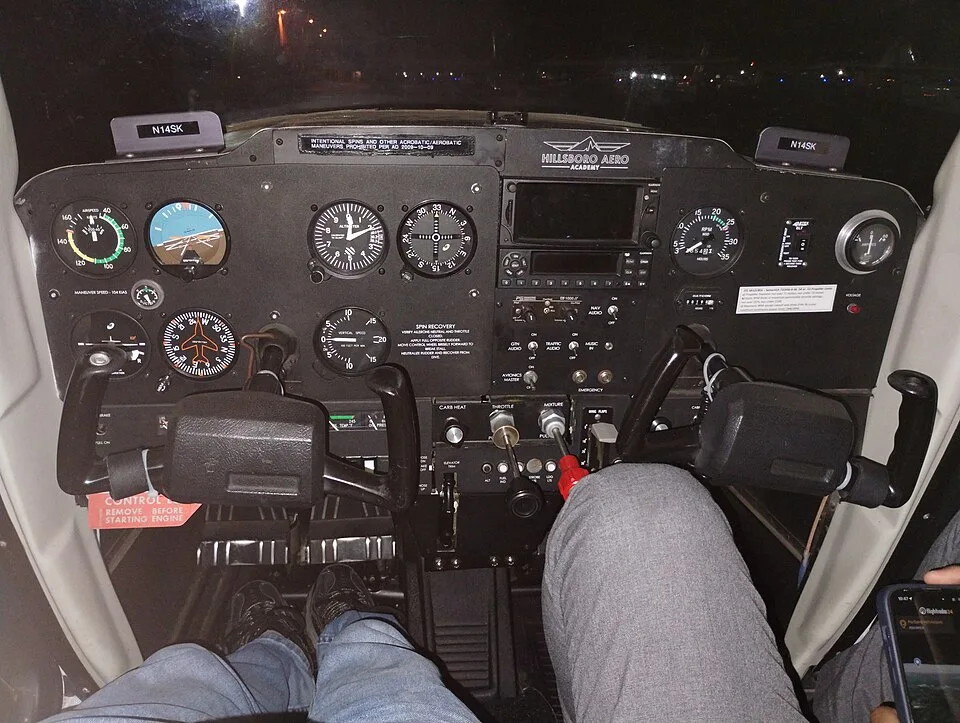

Equipment lists and physical evidence
Compare the current equipment list with the installed panel and the maintenance records. An instrument that appears in an old list may have been replaced, and an instrument visible in the panel may require additional documentation to establish its installation. The system overview is a guide to those relationships. It cannot resolve an unknown component model from appearance or establish compliance with equipment-specific requirements.
The stall-warning system has a separate architecture and a documented early-to-later transition; it should not be treated as another pitot-static instrument line.