Cessna 150 and 152 Stall Warning: Electrical and Pneumatic Generations
Cessna 150 stall-warning architecture changes at the 150F generation in the retained systems evidence. Earlier aircraft use an electrical arrangement; 150F and later aircraft, including the cited 152/A152 architecture, use a pneumatic arrangement with a leading-edge inlet, tubing and an air-operated horn. This distinction matters when identifying components and choosing maintenance references.
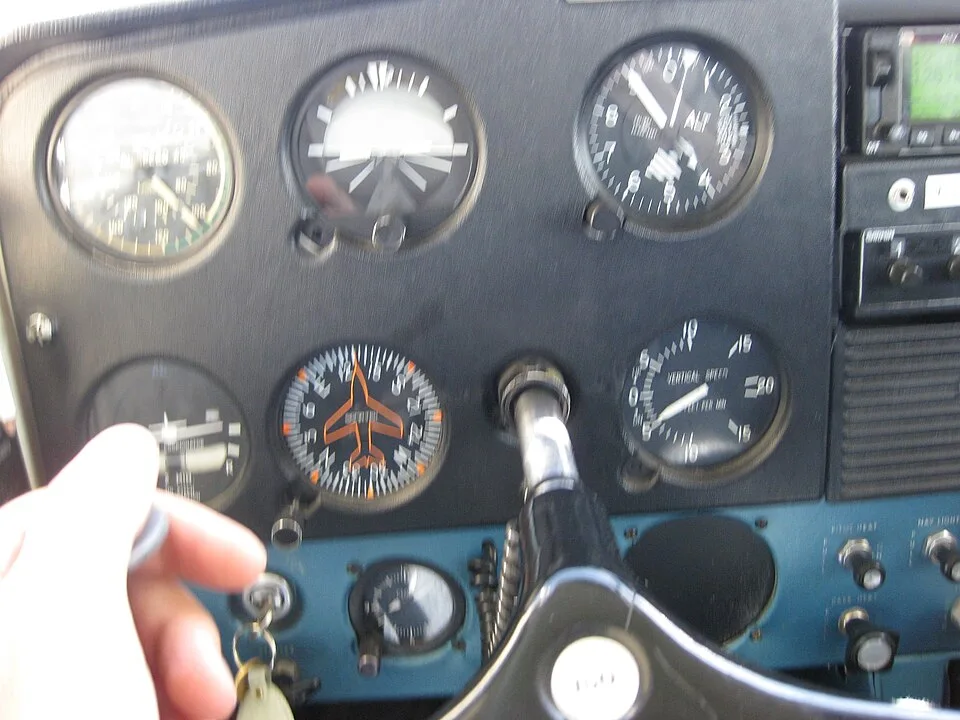

Warning system versus flight instruments
The stall-warning system has a different purpose from the airspeed indicator. In the later architecture, the horn and its tubing form a warning arrangement; the pitot system supplies the pressure relationship used by the airspeed instrument. Their shared use of air does not make their lines or components interchangeable. Keep the pitot-static reference separate when tracing either system in a manual.
The following records identify the broad architecture and the documented generation change. They do not supply adjustment values, a functional test procedure or a calibrated warning threshold. Those details require the applicable aircraft instructions and the actual installed components.
| Reference family | System ID | Domain | Subsystem | Factory Applicability | Architecture / Components | Operational Interface | Configuration Status | Primary Source |
|---|---|---|---|---|---|---|---|---|
| Cessna 150 | SYS-STALL-E | Utility | Electrical stall warning | Pre-150F architecture | Electrical sensing/warning arrangement. | Stall warning. | Early system only. | [1] |
| Cessna 150 | SYS-STALL-P | Utility | Pneumatic stall warning | 150F and later; 152/A152 | Leading-edge inlet, tubing and air-operated horn. | Stall warning. | Standard cited later architecture. | [2] |
| Cessna 152 | SYS-STALL-P | Utility | Pneumatic stall warning | 150F and later; 152/A152 | Leading-edge inlet, tubing and air-operated horn. | Stall warning. | Standard cited later architecture. | [2] |
| Reference family | Change ID | Effectivity | System | Before | After / Change | Source |
|---|---|---|---|---|---|---|
| Cessna 150 | CHG-004 | Pre-150F -> 150F and on | Stall warning | Electrical architecture | Pneumatic architecture | [1] |
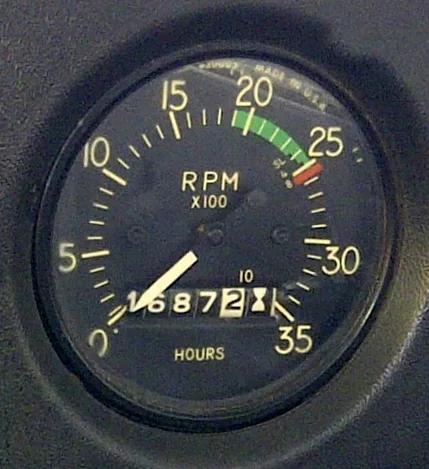

Why an early-model label is not enough
The source material also contains an early stall-warning AD reference, 68-17-04, whose local applicability summary refers to early 150-series and specified Reims models. That abbreviated description is not a complete serial list. The Cessna 150 AD section retains the record for navigation; it should not be expanded into an assertion that every early-looking aircraft is affected.
Model identity, installation and service history are separate questions. A production transition tells you where to start looking. It does not demonstrate that an individual aircraft still has every original component or that a previous corrective action remains documented. A modification entry may be relevant even when the external warning inlet looks familiar.
Reading a parts illustration usefully
Locate the illustration for the correct model and serial group before treating a named component as the right part. Then follow the component relationship through the associated maintenance description. An inlet, tube and horn listed in a broad architecture row are a map of the system, not a complete parts order. Small installation details omitted from that overview may be essential to the applicable assembly.
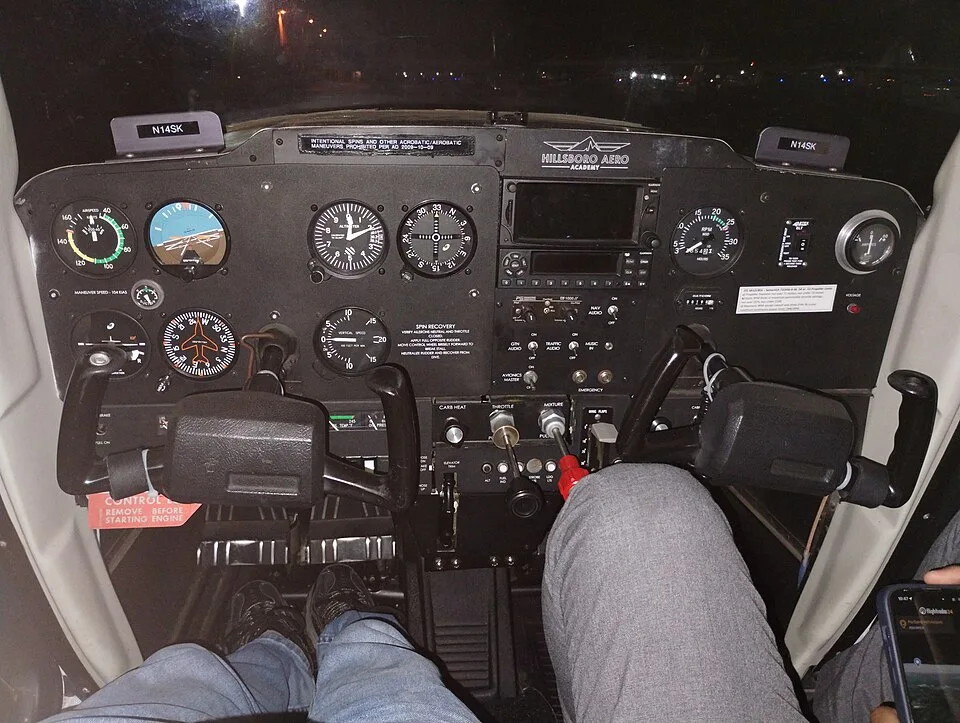

Questions for a prebuy record review
Record which architecture the model reference indicates, what equipment is actually identified, and whether the logs mention warning-system replacement or alteration. If those sources disagree, preserve the discrepancy for inspection instead of resolving it from a model-year assumption. The 150E-versus-150F comparison places the warning change alongside the electric-flap transition, while keeping the two independent. A useful research outcome is a clearly identified system and the correct reference path, not an inferred claim that the system has been tested or is serviceable.