Cessna 152 Engines: Lycoming O-235-L2C and O-235-N2C
Cessna 152 engine research begins with two closely related Lycoming variants, O-235-L2C and O-235-N2C. They are not interchangeable labels for one universal horsepower figure. the aircraft installations use different rated power, and the later variant has defined production and approved-rework effectivity. The model, airframe serial, engine identification and installation records each answer part of the applicability question.
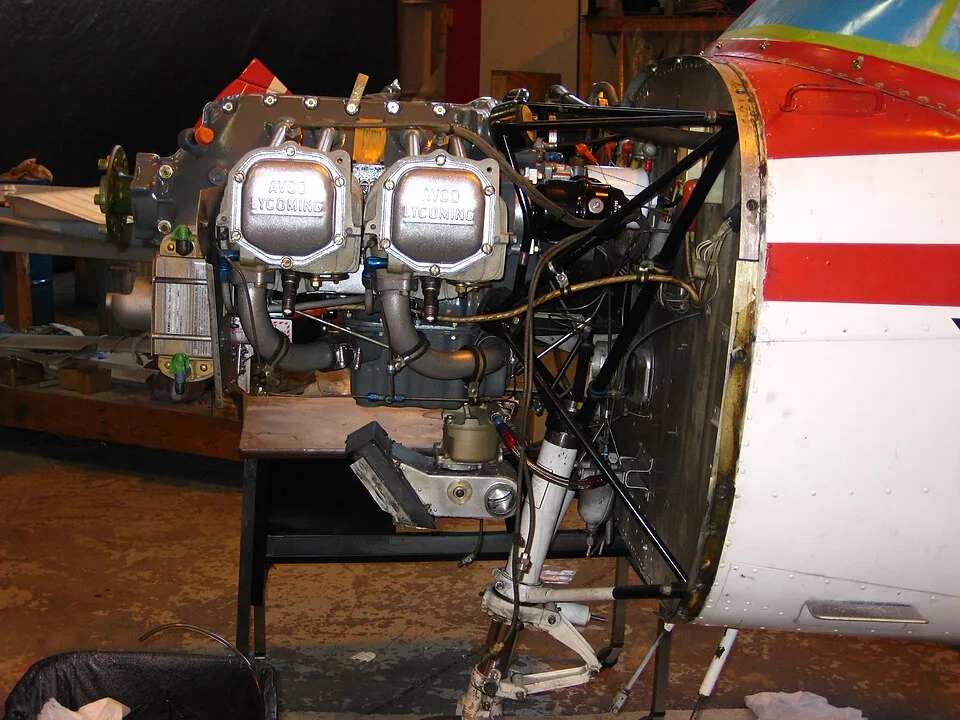

For focused questions across the two families, use the engines topic guide. This Cessna 152 reference retains the detailed family records and their applicability.
The separate O-235-L2C reference explains the 110 hp aircraft installation, while the O-235-N2C reference follows the later 108 hp configuration and its U.S./Reims boundaries. Both distinguish engine ratings from aircraft limits and eligibility from accomplished rework.
This page connects the engine master information with aircraft identities and serial ranges. It distinguishes engine-manufacturer specifications, approved aircraft installation limits and the actual equipment on a surviving aircraft. Use that distinction before comparing advertisements, identifying replacement parts or deciding which maintenance and AD material warrants investigation.
Installed Power Versus Engine-Manufacturer Ratings
The O-235-L2C installation is recorded at 110 hp and the O-235-N2C at 108 hp, both at an aircraft maximum of 2,550 RPM. The engine master separately records manufacturer ratings of 118 hp and 116 hp at 2,800 RPM. These pairs are not competing estimates of the same approved aircraft operating point. They belong to different rating contexts.
An engine capable of a manufacturer-rated output at a higher RPM does not make that output available as an approved aircraft limit. The installation also includes propeller and other conditions. When comparing a claimed power figure, identify which source and RPM it describes. A figure copied from an engine specification without its rating conditions can misrepresent a standard Cessna 152 installation.
The propeller guide keeps the exact McCauley application and static-RPM limits separate from maximum aircraft engine RPM. Static RPM is a ground installation check under the applicable conditions; it is not simply another expression of the engine's full rating. Combining the highest value from each table would produce a specification that no source actually establishes.
| Model | Manufacturer | TC | Aircraft installed hp | Aircraft max rpm | Engine TC / manufacturer rated hp | Engine rated rpm | Aircraft Families | Primary Source |
|---|---|---|---|---|---|---|---|---|
| O-235-L2C | Lycoming Engines | E-223 | 110 | 2550 | 118 | 2800 | 152/A152/F152/FA152, early production / pre-N2C effectivity | [1] |
| O-235-N2C | Lycoming Engines | E-223 | 108 | 2550 | 116 | 2800 | 152/A152/F152/FA152, 1983-and-on / approved rework effectivity | [1] |
The U.S. L2C-to-N2C Serial Boundaries
For standard U.S. Model 152, the identity source associates O-235-L2C with aircraft through 15285594 and O-235-N2C from 15285595 onward. The A152 Aerobat uses its own boundary, through A1521014 and from A1521015 respectively. A shared model name therefore spans two factory engine relationships.
The source wording also recognizes aircraft reworked under SK152-15 / SK152-16. This matters for an earlier airframe carrying the later engine: the serial can identify original effectivity without establishing the aircraft's present approved configuration. The correct response is to examine the installation and rework records, rather than conclude solely from age that the engine must be wrong or original.
Keep the U.S. Aerobat exceptional identities with their own engine-range records. A1500433 is an A152 identity despite its prefix, and 681 has a source-qualified notation relationship. A general prefix filter must not send either aircraft into a Cessna 150 engine table. The A152 model reference connects these exceptions to their legal identity.
Reims Engine Effectivity
The F152 and FA152 identity evidence describes L2C for 1978-1982 models and N2C for 1983-and-on models, or aircraft reworked under the specified instructions. The French serial-range matrix preserves the actual Reims intervals. This should remain a French applicability relationship; the U.S. threshold must not be reused after stripping a prefix from a Reims serial.
French manufacture also extends beyond the final U.S. model year in the records. The F152 and FA152 references retain that later context. A general statement about an American production endpoint is not evidence that a later Reims engine installation lies outside the certified family.
The separate aircraft-source column matters even where power and RPM agree. Agreement in output does not erase the certification source for the installation. An engine-manufacturer document describes the engine; the applicable aircraft documents establish how it is installed and operated in that airframe.
| Origin | Model Year | Aircraft Model | Factory Engine | Installed hp | RPM Limit | First Serial in Group | Last Serial in Group | Applicability Basis | Aircraft Source |
|---|---|---|---|---|---|---|---|---|---|
| France | 1978 | F152 | O-235-L2C | 110 | 2550 | F15201429 | F15201528 | A13EU 1978-1982 model production | [1] |
| France | 1978 | FA152 | O-235-L2C | 110 | 2550 | FA1520337 | FA1520347 | A13EU 1978-1982 model production | [1] |
| France | 1979 | F152 | O-235-L2C | 110 | 2550 | F15201529 | F15201673 | A13EU 1978-1982 model production | [1] |
| France | 1979 | FA152 | O-235-L2C | 110 | 2550 | FA1520348 | FA1520357 | A13EU 1978-1982 model production | [1] |
| France | 1980 | F152 | O-235-L2C | 110 | 2550 | F15201674 | F15201808 | A13EU 1978-1982 model production | [1] |
| France | 1980 | FA152 | O-235-L2C | 110 | 2550 | FA1520358 | FA1520372 | A13EU 1978-1982 model production | [1] |
| France | 1981 | F152 | O-235-L2C | 110 | 2550 | F15201809 | F15201893 | A13EU 1978-1982 model production | [1] |
| France | 1981 | FA152 | O-235-L2C | 110 | 2550 | FA1520373 | FA1520377 | A13EU 1978-1982 model production | [1] |
| France | 1982 | F152 | O-235-L2C | 110 | 2550 | F15201894 | F15201928 | A13EU 1978-1982 model production | [1] |
| France | 1982 | FA152 | O-235-L2C | 110 | 2550 | FA1520378 | FA1520382 | A13EU 1978-1982 model production | [1] |
| France | 1983 | F152 | O-235-N2C | 108 | 2550 | F15201929 | F15201943 | A13EU 1983 model and on / approved rework | [1] |
| France | 1983 | FA152 | O-235-N2C | 108 | 2550 | FA1520383 | FA1520387 | A13EU 1983 model and on / approved rework | [1] |
| France | 1984 | F152 | O-235-N2C | 108 | 2550 | F15201944 | F15201952 | A13EU 1983 model and on / approved rework | [1] |
| France | 1985 | F152 | O-235-N2C | 108 | 2550 | F15201953 | F15201965 | A13EU 1983 model and on / approved rework | [1] |
| France | 1985 | FA152 | O-235-N2C | 108 | 2550 | FA1520388 | FA1520415 | A13EU 1983 model and on / approved rework | [1] |
| France | 1986 | F152 | O-235-N2C | 108 | 2550 | F15201966 | F15201980 | A13EU 1983 model and on / approved rework | [1] |
| France | 1986 | FA152 | O-235-N2C | 108 | 2550 | FA1520416 | FA1520425 | A13EU 1983 model and on / approved rework | [1] |
| USA | 1978 | 152 | O-235-L2C | 110 | 2550 | 15279406 | 15282031 | Factory / type-design | [2] |
| USA | 1978 | A152 | O-235-L2C | 110 | 2550 | A1520735 | A1520808 | Factory / type-design | [2] |
| USA | 1978 | A152 | O-235-L2C | 110 | 2550 | A1500433 | A1500433 | Factory / type-design special serial | [2] |
| USA | 1979 | 152 | O-235-L2C | 110 | 2550 | 15282032 | 15283591 | Factory / type-design | [2] |
| USA | 1979 | A152 | O-235-L2C | 110 | 2550 | A1520809 | A1520878 | Factory / type-design | [2] |
| USA | 1979 | A152 | O-235-L2C | 110 | 2550 | 681 | A15200681 | Factory / type-design special serial | [2] |
| USA | 1980 | 152 | O-235-L2C | 110 | 2550 | 15283592 | 15284541 | Factory / type-design | [2] |
| USA | 1980 | A152 | O-235-L2C | 110 | 2550 | A1520879 | A1520943 | Factory / type-design | [2] |
| USA | 1981 | 152 | O-235-L2C | 110 | 2550 | 15284542 | 15285161 | Factory / type-design | [2] |
| USA | 1981 | A152 | O-235-L2C | 110 | 2550 | A1520944 | A1520983 | Factory / type-design | [2] |
| USA | 1982 | 152 | O-235-L2C | 110 | 2550 | 15285162 | 15285594 | Factory / type-design | [2] |
| USA | 1982 | A152 | O-235-L2C | 110 | 2550 | A1520984 | A1521014 | Factory / type-design | [2] |
| USA | 1983 | 152 | O-235-N2C | 108 | 2550 | 15285595 | 15285833 | Factory/approved rework per 3A19; exact aircraft records control accomplishment | [2] |
| USA | 1983 | A152 | O-235-N2C | 108 | 2550 | A1521015 | A1521025 | Factory/approved rework per 3A19 | [2] |
| USA | 1984 | 152 | O-235-N2C | 108 | 2550 | 15285834 | 15285939 | Factory/approved rework per 3A19; exact aircraft records control accomplishment | [2] |
| USA | 1984 | A152 | O-235-N2C | 108 | 2550 | A1521026 | A1521027 | Factory/approved rework per 3A19 | [2] |
| USA | 1985 | 152 | O-235-N2C | 108 | 2550 | 15285940 | 15286033 | Factory/approved rework per 3A19; exact aircraft records control accomplishment | [2] |
| USA | 1985 | A152 | O-235-N2C | 108 | 2550 | A1521028 | A1521049 | Factory/approved rework per 3A19 | [2] |

What the O-235 Design Description Establishes
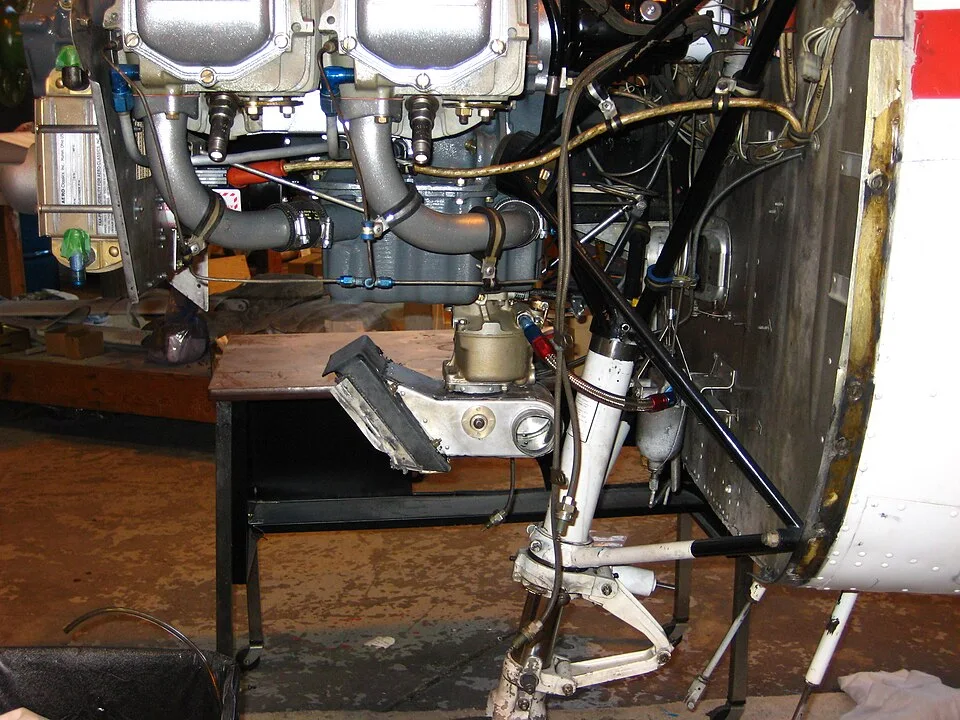
Both variants are recorded as four-cylinder, horizontally opposed, air-cooled, normally aspirated, carbureted, direct-drive engines. These terms describe the basic architecture. They help explain why induction, mixture control, cooling and ignition are relevant subjects, but they do not identify every accessory or replacement component on an individual engine.
The source distinguishes compression ratios and dry weights between the variants. Those engine-level figures should not be substituted for an aircraft's empty-weight change. An actual installation can involve accessories, equipment and approved alterations, while aircraft weighing uses the applicable empty-weight definition. The weight-and-balance guide explains why a catalog weight is not a current aircraft weighing result.
Fuel and oil entries likewise belong to their stated context. Engine sump information and an aircraft oil-capacity entry that includes a filter can describe different installed arrangements. A fluid quantity copied without that condition can create a loading or servicing misunderstanding. The fuel and fluid-accounting reference keeps capacity and usable-fuel questions distinct from engine specifications.
Factory Installation, Replacement and Conversion
Factory-range data is not a present-day engine inventory. A replacement engine can have its own serial history, component eligibility and maintenance records. The airframe model remains relevant, but it cannot answer whether a particular oil pump, piston pin, magneto or repaired crankshaft is installed. These are component and maintenance-history questions.
The conversion table retains references whose source applicability includes the 152 family. An eligible aircraft model does not prove that any listed conversion has been installed. Advertised power and legal scope also need to remain separate: a conversion claim must be followed into its approved installation data, limitations and supplements before it can describe an individual aircraft.
An alteration can affect more than the engine label. Appropriate propeller, control travel, weight and balance, operating limitations and maintenance instructions may need to be considered together. The website does not infer those results by scaling the factory power or borrowing another model's performance. The controlling alteration documentation establishes the actual relationship.
The Sparrow Hawk entry is a reported modified-L2C conversion with a commonly advertised 125 hp figure, not a factory engine rating. Its supporting aircraft listing does not establish the current approval holder or complete eligibility. The separate O-235-F2A entry comes from a manufacturer conversion listing, but its legal installation basis still requires the actual approval documents. These references are useful search leads at different publication contexts; neither should be promoted into an unconditional approved configuration.
| Approval / Conversion | Engine | Aircraft Models | Rated / Advertised Power | Legal Scope | Source |
|---|---|---|---|---|---|
| SA4795SW | Lycoming O-320 or O-360 | 150/A150/152/A152 listed in FAA STC records | Higher power | FAA STC reference; exact approval revision and current holder require verification | [1] |
| Sparrow Hawk / SE792NW | Modified O-235-L2C | Cessna 152 | 125 hp commonly documented | Reported STC conversion; current approval holder and exact eligibility require verification | [2] |
| Lycoming Engine Finder C152 conversion entry | O-235-F2A | Cessna 152 conversion | 125 | Manufacturer Engine Finder contains C-152 CONVERSION application Part #8982 | [3] |
Engine ADs Are Not Airframe-Wide Findings
The airworthiness-directive reference includes Lycoming and installed-product potentially applicable items in addition to airframe directives. Oil-pump configuration, qualifying propeller-strike events, particular piston-pin or engine-serial conditions and repaired-component history can be relevant. The word Lycoming in a source does not by itself establish applicability to every O-235 installation.
Status and effectivity must also remain separate. An issued directive may have a later effective date; an event-specific requirement may instead depend on a past occurrence. Neither should be turned into a blanket claim about every aircraft today. Consult the controlling directive and current aircraft records for the actual applicability and compliance decision.
The known-issues guide provides related failure-mode and prebuy context. An engine concern can be useful for planning an inspection without proving a defect. A logbook entry, an inspection finding and a family-level research topic are distinct forms of evidence, each with a different role.

Manuals, Overhaul Context and Current Records
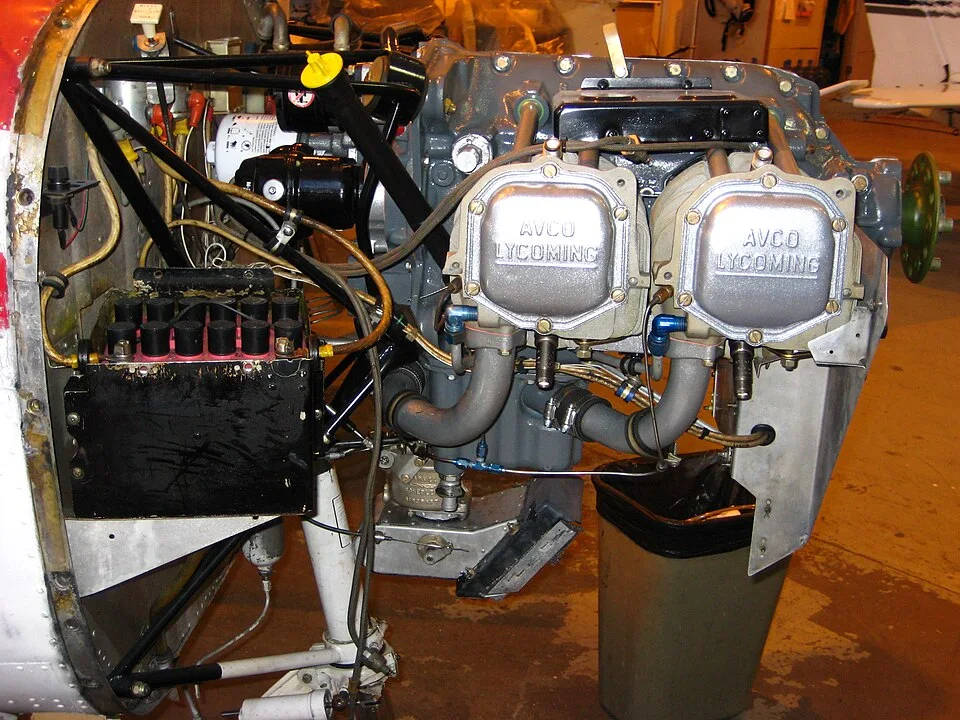
An engine operator's manual, maintenance instruction and aircraft POH/AFM do not have identical scope. The engine document may provide engine-level specifications; the aircraft document supplies installation operating context; a service instruction can address a particular task or configuration. The manuals reference helps keep these document classes separate.
Published overhaul intervals should not be treated as an aircraft condition score or a universal legal conclusion. The applicable document revision, engine configuration, service history and operating jurisdiction matter. This page does not predict remaining life or establish an individual engine's maintenance requirement from an airframe serial.
For a practical research file, record the engine model and serial, propeller identification, installation approval, current equipment and weight-and-balance records, and the relevant maintenance or alteration history. Then associate each question with the correct document. That sequence preserves the useful factory evidence while leaving installed configuration and compliance to aircraft-specific proof.
Individual Cessna 152 Model References
- Cessna 152 - 1978-1985
- Cessna A152 Aerobat - 1978-1985
- Reims/Cessna F152 - 1978-1986
- Reims/Cessna FA152 Aerobat - 1978-1986
Related Cessna 152 Subjects
- Cessna 152 aircraft reference
- Serial ranges and identity exceptions
- Models and Variants
- Specifications and Certified Limits
- Propellers and Approved Applications
- Performance by Model Year
- Fuel Capacity and Tanks
- Weight, CG and Loading
- Systems and Production Changes
- Airworthiness Directives
- Known Issues and Prebuy Research
- Manuals and Documents