Cessna 150H Model Reference
The 150H combines an ordinary production range with a short special eligible serial whose year remains unresolved. The historical phase continues the swept-tail refinement rather than establishing a new universal configuration. The model-year summary is useful context, but it must not be treated as a complete record of every surviving aircraft's equipment.
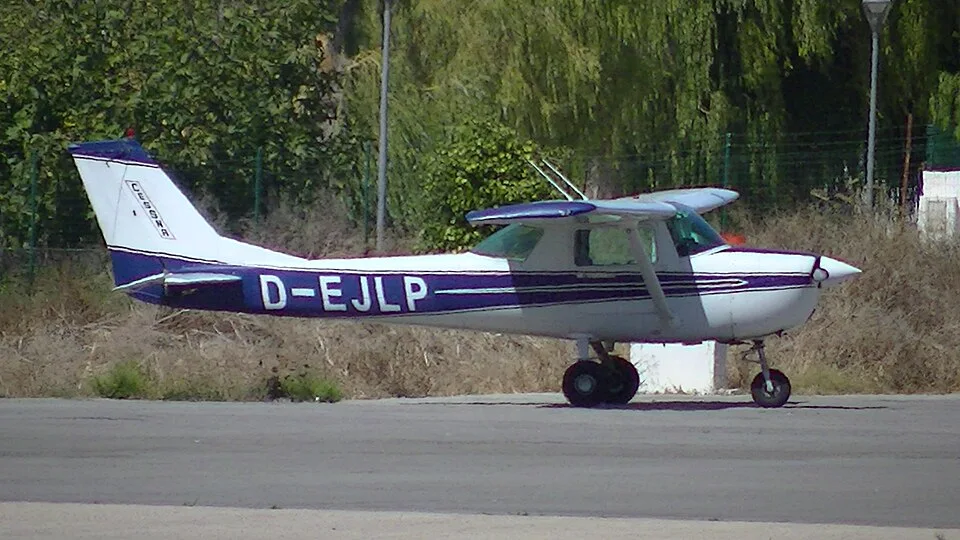

Continuity between two better-known transitions
The 150H sits between the 150G and 150J as the 1968 member of the swept-tail line. Its importance is not a documented revolution in shape or powerplant. It carries the established aircraft forward between the G's refinements and the J's cockpit-modernization account. The chronology is useful precisely because it can describe continuity without assigning a major new feature to every letter.
An H-model enquiry consequently benefits from separating the questions that are well established from those with less complete coverage. The ordinary identity and special serial are specific; a comprehensive H-only performance series is not supplied here. The general flying explanation describes the shared control relationships, while the H's own tables and handbook lead retain the narrower limits of the model evidence. Neighboring figures cannot fill an absent H entry by resemblance.
| Model Years | 1968 |
|---|---|
| Certification Category | Utility |
| Certified Serial Eligibility | 649; 15067199-15069308 |
| Type-design engine context | Continental O-200-A |
Generation and Certification
Both landplane and approved seaplane loading groups are relevant at the eligibility level. Their presence on this page does not prove a float installation. Read the configuration columns before comparing weights or propeller applications, and keep the actual aircraft records separate from the factory-range research.
The 150H is the 1968 continuation of the swept-tail generation. The available chronology does not establish another major H-model redesign equivalent to the F's electric flaps or the G's alternator change. Its certified-limit group remains shared with G, J and K, while the ordinary range and the special eligible serial 649 make the identity specific. This is a case where careful documentation is more useful than an exaggerated model-year story. The model-year summary is retained even though it supplies fewer dimensional and detailed performance fields than several neighboring years.
| Model | TC | Category | Initial Model Approval Date | Core Cert Basis | Certification / Identity Note | Reference |
|---|---|---|---|---|---|---|
| 150H | 3A19 | Utility | 1967-08-10 | CAR 3 (1956-05-15) amended 3-4 | - | [1] |

Serial Numbers and Production
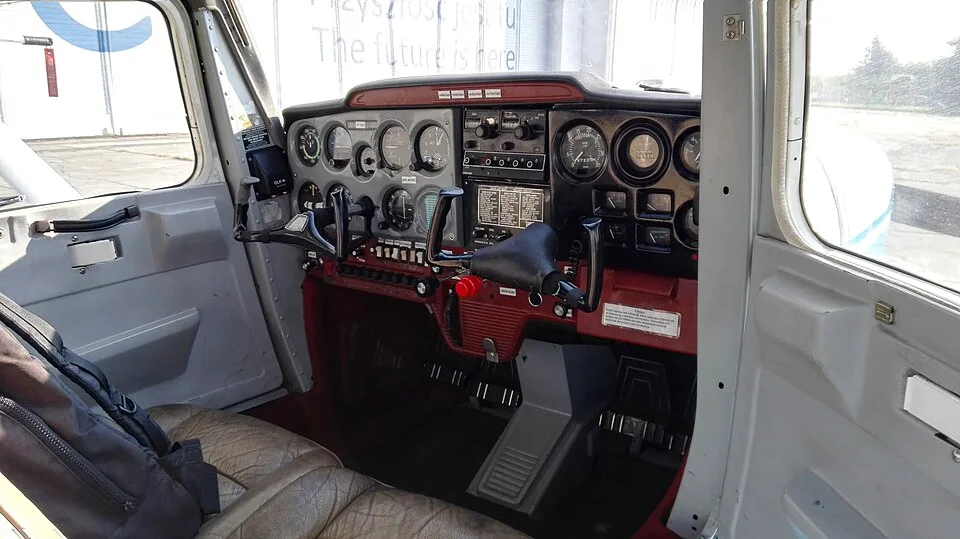
For 150H, the ordinary source assignments are 1968: 15067199 through 15069308. The special identifier 649 is assigned to 150H, with year recorded as Unresolved: Model identity confirmed; not assigned to a normal model-year range here. The serial guide retains source conflicts and exceptional identities alongside these intervals.
| Model Year | Official Model | Serial Start | Serial End | Excluded / Override Serials | Notes | Primary Source |
|---|---|---|---|---|---|---|
| 1968 | 150H | 15067199 | 15069308 | - | - | [1] |
| Serial | Legal Model | Model Year | Effect | Primary Source |
|---|---|---|---|---|
| 649 | 150H | Unresolved | Model identity confirmed; not assigned to a normal model-year range here. | [1] |
Engine, Propeller and Equipment Changes
Both land and approved-seaplane weight-and-balance contexts appear for the H model. That dual eligibility should guide a propeller and loading enquiry, particularly where a surviving airframe has changed configuration during its life. It does not justify using a sea limit for a wheeled aircraft. The O-200-A installation and propeller conditions should be reconciled as one actual combination. A generic statement that the H is a 100-hp aircraft cannot identify its propeller pitch, approved diameter, accessory fit or maintenance history, all of which can distinguish two H-model examples.
The 150H factory installation groups specify 1968: O-200-A, 100 hp at 2750 RPM; Unresolved: O-200-A, 100 hp at 2750 RPM. Its named propeller applications are 69CK family / 1A100/MCM6950 / 1A101/DCM6950; 1A90/CF. Their diameter, static-RPM and configuration conditions are preserved together below.
| Origin | Model Year | Aircraft Model | Factory Engine | Installed hp | RPM Limit | First Serial in Group | Last Serial in Group | Applicability Basis | Aircraft Source |
|---|---|---|---|---|---|---|---|---|---|
| USA | 1968 | 150H | O-200-A | 100 | 2750 | 15067199 | 15069308 | Factory / type-design | [1] |
| USA | Unresolved | 150H | O-200-A | 100 | 2750 | 649 | 649 | Factory / type-design | [1] |
| Aircraft Model | Model Year / Config | Engine | Exact Propeller Application | Max Dia | Min Dia | Static Min | Static Max | Notes | Primary Authority |
|---|---|---|---|---|---|---|---|---|---|
| 150G through 150K | Landplane | O-200-A | 69CK family / 1A100/MCM6950 / 1A101/DCM6950 | 69 | 67-67.5 | 2320/2375/2500 | 2470/2475/2600 | Use propeller-specific static range. | [1] |
| 150G through 150K | Seaplane | O-200-A | 1A90/CF | 75 | 73.5 | 2500 | 2600 | Seaplane only. | [1] |

Specifications, Fuel and Loading
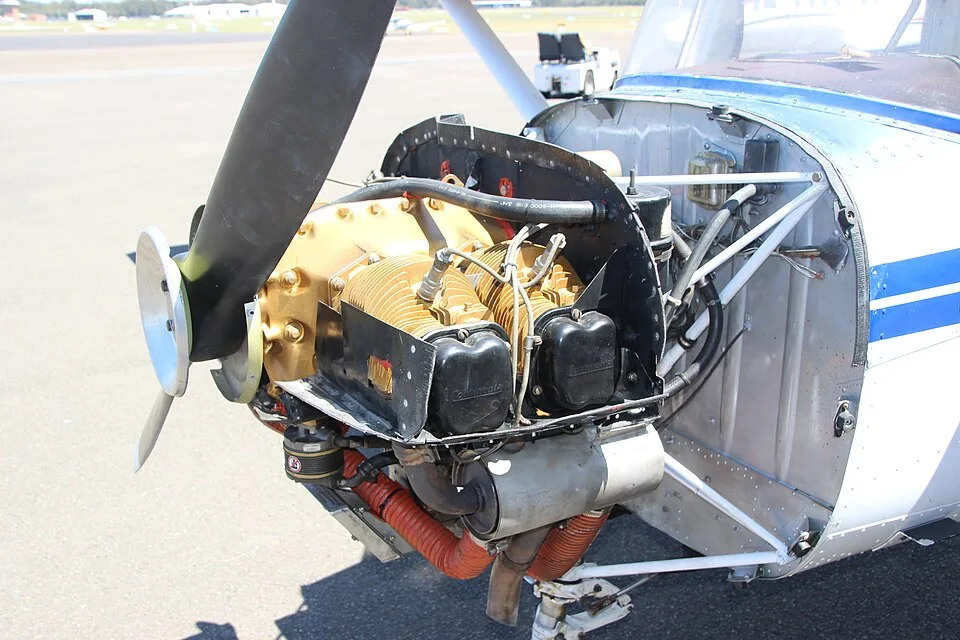
Use the matching D518-13 handbook for 150H performance rather than substituting 150G cruise or 150J runway figures. The certified weight and speed group, landplane and seaplane loading distinctions, and fuel summary below help identify the applicable configuration. They do not replace the handbook’s complete operating charts or the aircraft’s current equipment and loading information.
The H's incomplete performance coverage should not obscure what its loading evidence does establish. The standard landplane and approved-seaplane groups are separately represented, while the ordinary interval and special 649 assignment retain distinct year treatment. A buyer can use those facts to identify the right document and configuration without claiming a handbook performance calculation from an adjacent model. The H also sits after the 1966-and-later fin-attachment advisory starting context, but that topic remains an inspection/source-scope question rather than a declaration that every H has a cracked fitting. The model provides a specific research starting point despite the missing metric series.
| Models | Category | Speed Basis | Vne | Vno | Va | Vfe | MTOW Land lb | MTOW Sea lb | Baggage lb | Source |
|---|---|---|---|---|---|---|---|---|---|---|
| 150G/150H/150J/150K | Utility | CAS | 141 kt / 162 mph | 104 kt / 120 mph | 95 kt / 109 mph | 87 kt / 100 mph | 1600 | 1650 | 120 | [1] |
| Models / Serial Applicability | Config | Category | Ramp lb | TO lb | Landing lb | Fwd CG light | Light wt | Fwd CG heavy | Heavy wt | Aft CG | Baggage | Datum / Reference | Leveling | Source |
|---|---|---|---|---|---|---|---|---|---|---|---|---|---|---|
| 150G, H, J, K | Land | Utility | - | 1600 | 1600 | 31.5 | 1280 | 32.9 | 1600 | 37.5 | 120 lb, reference W&B data | Certified datum | Top of tailcone | [1] |
| 150G, H, J, K with approved seaplane configuration | Sea | Utility | - | 1650 | 1650 | 33 | 1400 | 33.8 | 1650 | 36.5 | 120 lb, reference W&B data | Certified datum | Top of tailcone | [1] |
| Year | Model(s) | Max Speed | Cruise | ROC SL | Ceiling | Published Gross / MTOW | Published Empty Weight | Baggage | Notes | Source |
|---|---|---|---|---|---|---|---|---|---|---|
| 1968 | 150H | 122 mph | 117 mph @75% /7000 ft | 670 fpm | - | 1600 lb | - | - | A blank field means no value is provided here. | [1] |
Manuals, Maintenance and Research
The H's special serial 649 remains outside the ordinary year-assigned interval; the unresolved year is part of the source, not a blank to fill with 1968. D518-13 also appears in a Cessna/Reims family mapping, but that does not turn an F150H into a U.S. 150H. The Reims propeller evidence has a separate omission, whereas this U.S. page retains its exact applications. Compare the neighboring G and J references for historical orientation, then return to the H identity and actual serial when choosing documents, loading data and component records. The positive 150H publication leads are 1968: D518-13 (Owner's Manual).
| Family / Year | Model | Publication | Document Class | Serial / Year Effectivity | Authority Basis | Operational Status | Special Boundary | Reference |
|---|---|---|---|---|---|---|---|---|
| 1968 | 150H / F150H | D518-13 | Owner's Manual | 1968 equivalent Cessna/Reims mapping | CAA TAR 98/08 | Authority-recognized family | Reims context separate | [1] |