Cessna 150G Model Reference
The 150G requires unusual care because an explicit A150M identity lies numerically inside its ordinary sequence. The excluded serial must never be returned as a 150G merely because it falls between the endpoints. The source also distinguishes landplane and approved seaplane context, making configuration evidence particularly important for this model.


Refinement after the F redesign
The 1967 150G develops the newly swept-tail aircraft introduced by the 150F. The recorded alternator, cabin and heating refinements shift attention toward the aircraft's electrical supply and occupied space. The 150H follows in 1968. The G therefore belongs to the refinement of an established outline, rather than a repeat of the F's first electric-flap and swept-tail transition.
That distinction is useful when comparing surviving aircraft with similar silhouettes. The F-to-G comparison asks what changed within that familiar shape, and the electrical article explains why generation and current installed equipment must be distinguished. The G's approved float context adds a different configuration branch; it is not a general description of every G landplane.
Before those comparisons can be applied to a particular serial, the exceptional A150M assignment inside the ordinary G interval has to be resolved. This is an identity exception, not evidence of an unusual G with later Aerobat equipment. The distinction lets the visible development story and the legal-model record work together without one replacing the other.
| Model Years | 1967 |
|---|---|
| Certification Category | Utility |
| Certified Serial Eligibility | 15064533-15067198 except 15064970 |
| Type-design engine context | Continental O-200-A |
Generation and Certification
The historical record describes cabin refinement and float-related development, while the propeller and loading records retain separate configuration conditions. A float-related value is not an upgrade to every 150G landplane. For buyers and mechanics, the correct combination of identity, installed configuration and approval records is more useful than a single generic model specification.
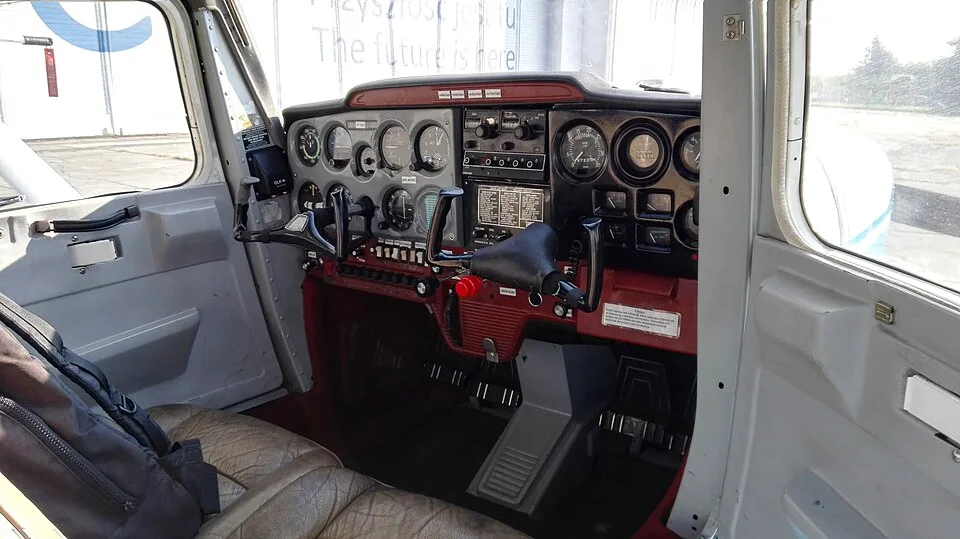
For 1967, the 150G change record identifies an alternator, a wider cabin, heating/defroster changes and optional floats. This follows the F's electric-flap and swept-tail redesign rather than repeating that introduction. The alternator distinction matters for electrical-system research, while cabin and heater changes matter to the installed equipment and occupant environment. The standard landplane remains in the 1,600-lb group. Optional float approval creates a separate configuration enquiry; it does not make the sea weight or float propeller a generic G-model specification.
| Model | TC | Category | Initial Model Approval Date | Core Cert Basis | Certification / Identity Note | Reference |
|---|---|---|---|---|---|---|
| 150G | 3A19 | Utility | 1966-05-05 | CAR 3 (1956-05-15) amended 3-4 | Separate seaplane configuration approval appears in TCDS. | [1] |

Serial Numbers and Production
For 150G, the ordinary source assignments are 1967: 15064533 through 15067198 (excluding 15064970). The serial guide retains source conflicts and exceptional identities alongside these intervals.
| Model Year | Official Model | Serial Start | Serial End | Excluded / Override Serials | Notes | Primary Source |
|---|---|---|---|---|---|---|
| 1967 | 150G | 15064533 | 15067198 | 15064970 | 15064970 is explicitly excluded from 150G identity and assigned to A150M. | [1] |
Engine, Propeller and Equipment Changes
The G-model propeller evidence separates the landplane application from approved-seaplane conditions. Read that distinction alongside the two weight-and-balance groups before comparing an aircraft that has operated on floats with one that has always been a landplane. A previous float installation may be a records and configuration question even when the aircraft is currently on wheels. The source also records a Model 22-374-series Weston-Garwin Carruth altimeter AD lead among G-model equipment examples. Applicability depends on the actual unmodified instrument, not on the presence of a 150G data plate.
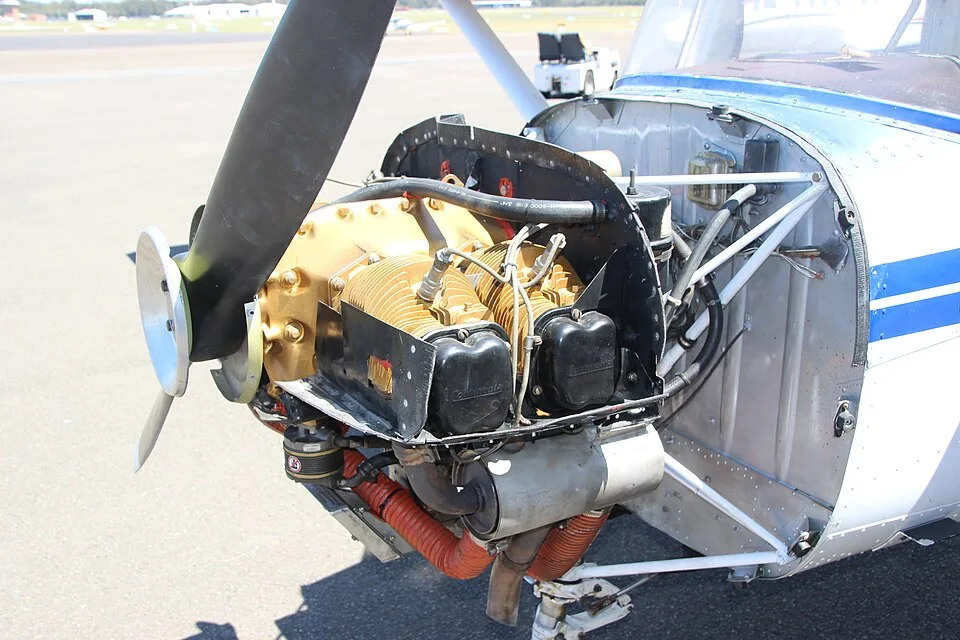
The 150G factory installation groups specify 1967: O-200-A, 100 hp at 2750 RPM. Its named propeller applications are 69CK family / 1A100/MCM6950 / 1A101/DCM6950; 1A90/CF. Their diameter, static-RPM and configuration conditions are preserved together below.
| Origin | Model Year | Aircraft Model | Factory Engine | Installed hp | RPM Limit | First Serial in Group | Last Serial in Group | Applicability Basis | Aircraft Source |
|---|---|---|---|---|---|---|---|---|---|
| USA | 1967 | 150G | O-200-A | 100 | 2750 | 15064533 | 15067198 | Factory / type-design | [1] |
| Aircraft Model | Model Year / Config | Engine | Exact Propeller Application | Max Dia | Min Dia | Static Min | Static Max | Notes | Primary Authority |
|---|---|---|---|---|---|---|---|---|---|
| 150G through 150K | Landplane | O-200-A | 69CK family / 1A100/MCM6950 / 1A101/DCM6950 | 69 | 67-67.5 | 2320/2375/2500 | 2470/2475/2600 | Use propeller-specific static range. | [1] |
| 150G through 150K | Seaplane | O-200-A | 1A90/CF | 75 | 73.5 | 2500 | 2600 | Seaplane only. | [1] |
| Year | Model | Major Change | Serial Specific? | Source |
|---|---|---|---|---|
| 1967 | 150G | Alternator, wider cabin, heating/defroster changes, optional floats | No | [1] |
Specifications, Fuel and Loading
The normal G-model interval contains an explicit exclusion: 15064970 belongs to A150M. This is more than a historical curiosity because a numeric-only lookup would otherwise assign the wrong legal model and category. The 1967 performance entries must stay with the ordinary G identity and their own power/altitude conditions. The published 975-lb Standard and 1,060-lb Commuter empty weights are comparison examples rather than loading evidence for the excluded aircraft. Use the correct legal model before selecting a certified-limit or handbook group, even when the serial appears comfortably inside the G endpoints.
The ordinary G range must exclude 15064970 before it is used for an aircraft identity count or technical assignment. The exception is not a special G-model year; it redirects to the A150M legal identity. This distinguishes it from a short special serial whose year simply remains unresolved. The D397 handbook lineage, land/sea propeller separation and alternator/heating history then become relevant only after the ordinary G identity is established. For a former float aircraft, records connecting the approved sea configuration and any return to land operation are more useful than assuming that the G's optional-float history makes both weight groups simultaneously applicable.
| Models | Category | Speed Basis | Vne | Vno | Va | Vfe | MTOW Land lb | MTOW Sea lb | Baggage lb | Source |
|---|---|---|---|---|---|---|---|---|---|---|
| 150G/150H/150J/150K | Utility | CAS | 141 kt / 162 mph | 104 kt / 120 mph | 95 kt / 109 mph | 87 kt / 100 mph | 1600 | 1650 | 120 | [1] |
| Models / Serial Applicability | Config | Category | Ramp lb | TO lb | Landing lb | Fwd CG light | Light wt | Fwd CG heavy | Heavy wt | Aft CG | Baggage | Datum / Reference | Leveling | Source |
|---|---|---|---|---|---|---|---|---|---|---|---|---|---|---|
| 150G, H, J, K | Land | Utility | - | 1600 | 1600 | 31.5 | 1280 | 32.9 | 1600 | 37.5 | 120 lb, reference W&B data | Certified datum | Top of tailcone | [1] |
| 150G, H, J, K with approved seaplane configuration | Sea | Utility | - | 1650 | 1650 | 33 | 1400 | 33.8 | 1650 | 36.5 | 120 lb, reference W&B data | Certified datum | Top of tailcone | [1] |
| Year | Model(s) | Max Speed | Cruise | ROC SL | Ceiling | Published Gross / MTOW | Published Empty Weight | Baggage | Notes | Source |
|---|---|---|---|---|---|---|---|---|---|---|
| 1967 | 150G | 123 mph; 125 Commuter | 120 mph @75% /7500; 122 Commuter | 670 fpm | 12,650 ft | 1600 lb | 975 Std; 1060 Commuter | 120 lb | Detailed secondary page. | [1] |

Performance and Comparison Conditions
One published 150G example is 1967 cruise speed: 120 mph (power % 75; altitude ft 7500). The table keeps each metric's year, units, power, altitude, fuel and reserve columns together. Use the performance guide to distinguish headline comparisons from handbook operating calculations; no unreported condition is supplied for 150G.
| Year | Model | Value | Units | Power % | Altitude ft | Fuel Usable gal | Reserve Basis | Obstacle ft | Condition Note | Source |
|---|---|---|---|---|---|---|---|---|---|---|
| 1967 | 150G | 123 | mph | - | - | - | - | - | Published headline value | [1] |
| 1967 | 150G | 120 | mph | 75 | 7500 | - | - | - | Published headline condition | [1] |
| 1967 | 150G | 670 | fpm | - | - | - | - | - | - | [1] |
| 1967 | 150G | 12650 | ft | - | - | - | - | - | - | [1] |
| 1967 | 150G | 735 | ft | - | - | - | - | - | - | [1] |
| 1967 | 150G | 1385 | ft | - | - | - | - | 50 | - | [1] |
| 1967 | 150G | 445 | ft | - | - | - | - | - | - | [1] |
| 1967 | 150G | 1075 | ft | - | - | - | - | 50 | - | [1] |
Manuals, Maintenance and Research
The D397-13 handbook family retains a documented distinction from the later D397-1 lineage. A similar publication number in a listing does not settle revision or effectivity. For a G-model buyer, a productive records review connects that handbook question with the alternator installation, cabin-heating system, land/sea configuration and actual altimeter identification. The following 150H continues the swept-tail generation, but its shorter available performance coverage is not a reason to backfill H-model operating values from this G page. Exact model identity remains the basis for choosing the next technical reference. The positive 150G publication leads are 1967: D397-13 family (Owner's Manual).
| Family / Year | Model | Publication | Document Class | Serial / Year Effectivity | Authority Basis | Operational Status | Special Boundary | Reference |
|---|---|---|---|---|---|---|---|---|
| 1967 | 150G / F150G | D397-13 family | Owner's Manual | 1967 equivalent Cessna/Reims mapping | CAA TAR 98/08 | Authority-recognized base family | D397 vs later D397-1 lineage retained | [1] |
Related Models and Technical Research
The 150 seaplane configuration reference keeps float-related loading and propeller eligibility separate from this model's landplane identity. The 150F-versus-150G comparison distinguishes the electric-flap redesign from the following alternator and cabin refinements.