Cessna 150 Models and Variants
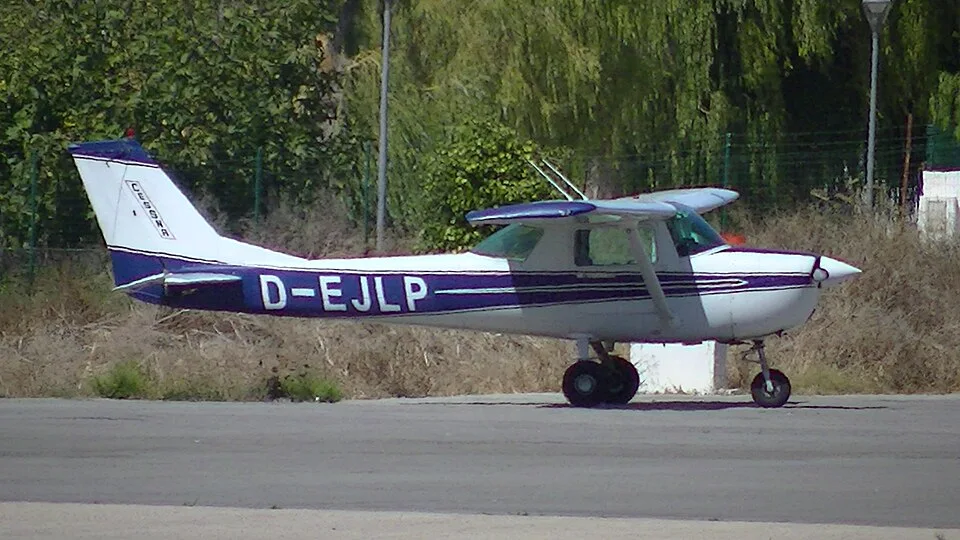

The Cessna 150 name describes a related aircraft family, not one unchanging specification. The official model, manufacturer, serial eligibility and certified configuration determine which technical references are relevant. This guide separates the U.S. standard and Aerobat models, French-built Reims identities and documented Argentine designations. It also explains why a familiar sales name is not enough to select an engine, flight manual or maintenance requirement.
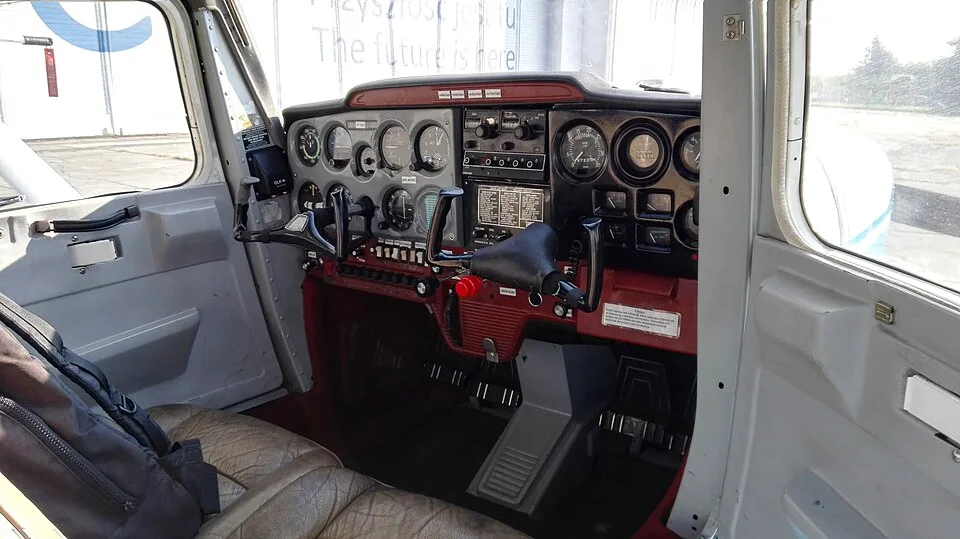

A useful model comparison begins with identity and then moves to technical differences. Comparing two aircraft only by advertised year can conceal a special serial assignment, a different certification source or an installed modification. Use the serial-number guide to establish the complete identifier, then follow the applicable model reference and the technical sections linked here. These pages describe documented eligibility and factory context; the equipment and condition of an individual aircraft still require records and inspection.
Read the 150 sequence as a series of different kinds of change
Start with the original 150 and follow 150A and 150B for refinements within the early fastback arrangement. The 150C closes that early group. It matters as the model before the rear-window D, even though the available evidence does not establish a comparable C-only redesign. A chronological account can show continuity as well as novelty.
The rear-window 150D and 150E retain the straight-tail phase. Electric flaps and the swept tail arrive with 150F; 150G then adds its electrical and cabin refinements. The 150H continues between that generation and the cockpit-modernization context of 150J. These steps show why rear window, tail shape and cockpit controls are related clues rather than a single early/late dividing line.
The 150K sits alongside the beginning of the U.S. Aerobat branch. The 150L introduces the later gear generation and spans several model years, before the 150M closes the standard 150 sequence. Follow the branch map to continue into the 152 or choose a parallel Aerobat or international line. Each individual profile now supplies that local progression without putting the whole family directory on every page.
Use shared design explanations for shared features
A high wing, two main seats or a conventional tail may be common to several model descriptions. The integrated construction article explains those relationships once, while flying characteristics connects controls and performance concepts. The model profiles can then concentrate on what a D, F or L designation changes in the enquiry. A model's significance may be structural, documentary or a new production branch; it need not have a unique engine or a new shape to be worth identifying.
Official Model, Public Name and Certification Category
A model designation is the stable starting point for the technical research. A public name can describe a market version or familiar family name without defining every certification condition. The identity table therefore keeps the official designation, public name, variant and category in separate columns. A category entry is part of the certification context, not an invitation to infer an operating approval without the aircraft's controlling documentation.
The distinction matters particularly when comparing standard aircraft with Aerobats. Similar engines or a common model letter do not erase the separate identity, serial namespace or category. Before using a flight-manual procedure or loading limitation, identify the correct aircraft and configuration. The weight-and-balance reference explains why apparently similar maximum weights do not establish an identical loading envelope.
| Official Model | Public Name | Model Years | Variant Type | Certification Category | Historical Manufacturer | Country of Manufacture | Primary Type Certificate |
|---|---|---|---|---|---|---|---|
| 150 | Cessna 150 | 1959-1960 | Standard | Utility | Cessna Aircraft Company | United States | 3A19 |
| 150A | Cessna 150A | 1961 | Standard | Utility | Cessna Aircraft Company | United States | 3A19 |
| 150B | Cessna 150B | 1962 | Standard | Utility | Cessna Aircraft Company | United States | 3A19 |
| 150C | Cessna 150C | 1963 | Standard | Utility | Cessna Aircraft Company | United States | 3A19 |
| 150D | Cessna 150D | 1964 | Standard | Utility | Cessna Aircraft Company | United States | 3A19 |
| 150E | Cessna 150E | 1965 | Standard | Utility | Cessna Aircraft Company | United States | 3A19 |
| 150F | Cessna 150F | 1966 | Standard | Utility | Cessna Aircraft Company | United States | 3A19 |
| 150G | Cessna 150G | 1967 | Standard | Utility | Cessna Aircraft Company | United States | 3A19 |
| 150H | Cessna 150H | 1968 | Standard | Utility | Cessna Aircraft Company | United States | 3A19 |
| 150J | Cessna 150J | 1969 | Standard | Utility | Cessna Aircraft Company | United States | 3A19 |
| 150K | Cessna 150K | 1970 | Standard | Utility | Cessna Aircraft Company | United States | 3A19 |
| A150K | Cessna A150K Aerobat | 1970 | Aerobat | Acrobatic | Cessna Aircraft Company | United States | 3A19 |
| 150L | Cessna 150L | 1971-1974 | Standard | Utility | Cessna Aircraft Company | United States | 3A19 |
| A150L | Cessna A150L Aerobat | 1971-1974 | Aerobat | Acrobatic | Cessna Aircraft Company | United States | 3A19 |
| 150M | Cessna 150M | 1975-1977 | Standard | Utility | Cessna Aircraft Company | United States | 3A19 |
| A150M | Cessna A150M Aerobat | 1975-1977 | Aerobat | Acrobatic | Cessna Aircraft Company | United States | 3A19 |
| F150F | Reims/Cessna F150F | 1966 | Standard | Utility | Reims Aviation S.A. (Reims-Cessna) | France | A13EU |
| F150G | Reims/Cessna F150G | 1967 | Standard | Utility | Reims Aviation S.A. (Reims-Cessna) | France | A13EU |
| F150H | Reims/Cessna F150H | 1968 | Standard | Utility | Reims Aviation S.A. (Reims-Cessna) | France | A13EU |
| F150J | Reims/Cessna F150J | 1969 | Standard | Utility | Reims Aviation S.A. (Reims-Cessna) | France | A13EU |
| F150K | Reims/Cessna F150K | 1970 | Standard | Utility | Reims Aviation S.A. (Reims-Cessna) | France | A13EU |
| FA150K | Reims/Cessna FA150K Aerobat | 1970 | Aerobat | Acrobatic | Reims Aviation S.A. (Reims-Cessna) | France | A13EU |
| F150L | Reims/Cessna F150L | 1971-1974 | Standard | Utility | Reims Aviation S.A. (Reims-Cessna) | France | A13EU |
| FA150L | Reims/Cessna FA150L Aerobat | 1971 | Aerobat | Acrobatic | Reims Aviation S.A. (Reims-Cessna) | France | A13EU |
| FRA150L | Reims/Cessna FRA150L Aerobat | 1972-1974 | Aerobat / higher-power configuration | Acrobatic | Reims Aviation S.A. (Reims-Cessna) | France | A13EU |
| F150M | Reims/Cessna F150M | 1975-1977 | Standard | Utility | Reims Aviation S.A. (Reims-Cessna) | France | A13EU |
| FA150M | Reims/Cessna FA150M Aerobat | 1975-1977 | Aerobat / configuration-dependent | Acrobatic | Reims Aviation S.A. (Reims-Cessna) | France | A13EU |
| FRA150M | Reims/Cessna FRA150M Aerobat | 1975-1977 | Aerobat / higher-power configuration | Acrobatic | Reims Aviation S.A. (Reims-Cessna) | France | A13EU |
| A-150L | AMC / Argentine Cessna A-150L | 1972-1973 | Standard | Utility (service data context) | Área Material Córdoba (commonly associated with DINFIA/FMA in historical references) | Argentina | Not directly listed in FAA TCDS 3A19 |
| A-A150L | AMC / Argentine Cessna A-A150L Aerobat | 1972-1973 | Aerobat | Acrobatic (service data context) | Área Material Córdoba (commonly associated with DINFIA/FMA in historical references) | Argentina | Not directly listed in FAA TCDS 3A19 |
U.S. Model Evolution and the Meaning of a Model Year
The U.S. chronology records the transition from early production through successive airframe generations and the introduction of Aerobat identities. Its approval dates and model-year assignments are separate fields. An approval date describes a certification event; a model year organizes production identity. Neither is automatically the date an individual aircraft was manufactured, delivered or registered.
Historical descriptions help explain why adjacent aircraft may have different cabin details, flap systems, landing gear or electrical interfaces. They are not a substitute for a serial effectivity statement. When a change is tied to a particular serial, the specifications and serial-break reference retains that trigger. A general description such as an early or later generation must not be used to select a replacement part across a documented break.
Long-running model letters also need model-year separation. A single official model can span several years and contain changes within its own production. The performance reference preserves the year and source conditions rather than assigning one cruise, climb or range figure to the entire letter-model. Buyers comparing aircraft within the same model designation should still check the serial, handbook, equipment and recorded alterations.
| Model | Model Years in Serial DB | Historical Phase | Major Historical Change / Context |
|---|---|---|---|
| 150 | 1959, 1960, Unresolved | Initial production / fastback | FAA TC 3A19 opening model; production marketed as 1959 model year. |
| 150A | 1961, Unresolved | Early fastback | Incremental model-year evolution; use exact manuals/specifications for technical changes. |
| 150B | 1962 | Early fastback | Incremental model-year evolution; use exact manuals/specifications for technical changes. |
| 150C | 1963 | Early fastback | Incremental model-year evolution; use exact manuals/specifications for technical changes. |
| 150D | 1964 | Omni-Vision / 1600-lb transition | Rear-window/structural generation and certified 1,600-lb gross-weight era. |
| 150E | 1965, Unresolved | Omni-Vision straight-tail | Incremental model-year evolution; use exact manuals/specifications for technical changes. |
| 150F | 1966 | Swept-tail / electric-flap redesign | Larger doors/baggage, swept tail and electric flaps mark major redesign. |
| 150G | 1967 | Swept-tail refinement | Bulged/curved doors improved cabin width; float configuration approved in this generation. |
| 150H | 1968, Unresolved | Swept-tail refinement | Incremental model-year evolution; use exact manuals/specifications for technical changes. |
| 150J | 1969 | Modernized controls/electrical switchgear | Key start and rocker-switch modernization reported in specialist technical history. |
| 150K | 1970 | Pre-L standard | Incremental model-year evolution; use exact manuals/specifications for technical changes. |
| A150K | 1970 | First Aerobat | Aerobat enters acrobatic category; FAA approval same date as 150K. |
| 150L | 1971, 1972, 1973, 1974 | Tubular main-gear / long-running L series | L series spans four model years; specialist history notes tubular main landing gear and wider track. |
| A150L | 1971, 1972, 1973, 1974 | Aerobat L series | Incremental model-year evolution; use exact manuals/specifications for technical changes. |
| 150M | 1975, 1976, 1977 | Final 150 generation | Final 150 designation, spanning 1975-77 model-year serial groups. |
| A150M | 1975, 1976, 1977, Special | Final 150 Aerobat generation | Incremental model-year evolution; use exact manuals/specifications for technical changes. |
Reims F150, FA150 and FRA150 Identities
French-built aircraft retain their Reims identity and certification source. Removing an F or FA prefix to make a serial look like a U.S. number destroys useful information. Manufacturer, country of manufacture, current type-certificate administration and the aircraft's present registration jurisdiction are different concepts. A later change of type-certificate holder does not rewrite the place or circumstances of manufacture.
The A13EU document reference explains why certain FA/FRA identities depend on configuration evidence as well as serial eligibility. A qualifying serial identifies where a configuration rule may matter; it does not establish that the specified kits are installed. Until that evidence is resolved, research should retain the conditional identity rather than assume either the base or alternative configuration.
This distinction carries into engine applicability and propeller applications. A higher-power Reims configuration must be followed through the applicable aircraft and engine records. Similar appearance, a seller's description or a serial prefix alone cannot establish the installed engine, propeller or controlling handbook. It is also inappropriate to borrow U.S. certified weight or performance figures merely because an adjacent Reims model looks comparable.
Argentine Designations and Cross-Referenced Serials
Argentine local identities remain separate from U.S. and Reims production records. Some source records connect an AMC/DINFIA identifier with a Cessna-assigned serial. Those are two identifiers connected by evidence, not two physical aircraft and not a general arithmetic conversion rule. The Argentine serial cross-reference distinguishes exact pairs from blocks whose intermediate pairs are not established.
The standard Argentine designation must not be confused with a similarly spelled U.S. Aerobat model. Hyphens and prefixes carry meaning. Preserving the original designation helps an owner connect local aircraft records with the correct manufacturer-document research, while retaining uncertainty where the source provides only partial mappings. It also prevents double-counting an aircraft in production or ownership research.
A handbook for a technically similar aircraft does not automatically become the approved flight manual for an Argentine identity. The manuals guide separates technical equivalence, publication-family recognition and aircraft-specific operational authority. Aircraft records and the applicable jurisdiction remain necessary for resolving a controlling document.
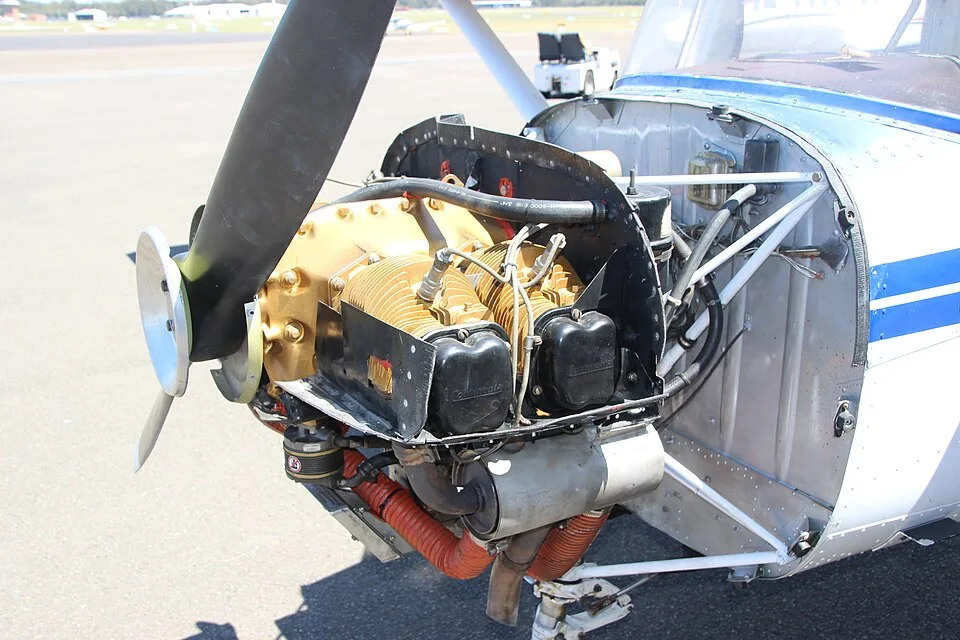

Comparing Models for Ownership and Maintenance
Choose comparison questions that can be answered by the evidence. The fuel reference separates total capacity, usable capacity and tank configuration. The systems guide distinguishes broad factory architecture from production transitions and installed equipment. These are more useful comparisons than a single unsourced family specification because they show where a difference can affect the aircraft being researched.
For an owner, a correct model match helps organize the relevant publications. For a mechanic, it narrows applicability but does not complete a component or maintenance decision. For a pilot, the actual aircraft documentation controls the usable operating information. For a buyer, identity consistency is an early records check, while condition, maintenance status and installed modifications require further evidence.
The airworthiness-directive reference and known-issues guide answer different questions. An AD carries a legal applicability and action context. A known issue describes a concern, failure mode or inspection lead. Neither a model match nor an issue appearing in a table proves that a particular aircraft has a defect, is overdue or has complied with a requirement.
Why Model Eligibility Does Not Prove Installed Configuration
Factory data describes the configuration associated with an aircraft's original or approved type-design context. An aircraft can later acquire alterations, replacement components or equipment changes. The serial remains useful for identity, but it does not become an inventory of everything presently installed. Engine and propeller identification, equipment lists, logbooks, alteration records and current weight and balance must be reconciled when the research question depends on actual configuration.
STC eligibility is similarly narrower than STC installation. A listed model can be eligible for an approval while an individual aircraft has never received it. Conversely, a recorded alteration can change which supplement, limitation, inspection or component reference is relevant. The model guides link to the applicable technical subjects without presenting eligibility as proof of completion or installation.
Questions When Selecting a Model Reference
Is the model year enough to choose a handbook?
No. The publication's model, serial or year effectivity and configuration must all be considered. A model year can help find a likely publication family, but it cannot resolve a special serial or prove that the aircraft has the configuration assumed by that publication. Start with the exact identity and follow the document's stated boundary.
Does a blank model-page table mean the aircraft lacks that feature?
No. An omitted reference means the available relationship is not precise enough for a model-specific claim. A Reims aircraft does not lack weight limits simply because the current reference cannot safely join a U.S. limit group to it. The appropriate response is to seek the controlling aircraft documentation, not to substitute the nearest available number.
Are neighboring model pages interchangeable?
They are comparison aids. Read predecessor, successor and standard/Aerobat counterparts to understand documented differences, but keep each page's applicability intact. The Cessna 150 pillar reference provides the family overview; the individual model pages preserve the evidence attached to a particular identity.
A Practical Comparison: Standard, Aerobat and Local Identity
Consider a search that returns the U.S. A150L, the Argentine A-150L and the Argentine A-A150L. The similar spelling is precisely why these entries need separate identity fields. Removing the hyphens or treating the leading letter as a generic Aerobat marker would erase the distinction recorded by the sources. Start with country and official model, then follow the corresponding serial namespace.
The U.S. Aerobat page has its own category, serial exception and handbook relationships. The Argentine pages instead retain local-to-Cessna cross-reference precision and the boundary around technically equivalent manuals. A source connecting identifiers does not supply all the certification and operational authority needed to make the three aircraft interchangeable. This comparison is useful because it changes which evidence a reader should investigate, not because it creates more names for a keyword list.
The same principle applies when moving between standard and higher-power Reims configurations. A model list should help a reader discover the conditional relationship, then preserve that condition through engine, propeller and handbook research. It should not force a single unconditional label where the aircraft records are needed. The individual references are therefore selective: models with insufficient separate explanatory evidence remain in the family tables until a worthwhile standalone treatment is supported.
Explore the Applicable Model References
Follow the aircraft identity before applying a technical figure. Each model reference preserves its own serial ranges and supported relationships; missing exact relationships are left unresolved rather than inherited from another model.
- Cessna 150 (150) - 1959-1960
- Cessna 150A (150A) - 1961
- Cessna 150B (150B) - 1962
- Cessna 150C (150C) - 1963
- Cessna 150D (150D) - 1964
- Cessna 150E (150E) - 1965
- Cessna 150F (150F) - 1966
- Cessna 150G (150G) - 1967
- Cessna 150H (150H) - 1968
- Cessna 150J (150J) - 1969
- Cessna 150K (150K) - 1970
- Cessna A150K Aerobat (A150K) - 1970
- Cessna 150L (150L) - 1971-1974
- Cessna A150L Aerobat (A150L) - 1971-1974
- Cessna 150M (150M) - 1975-1977
- Cessna A150M Aerobat (A150M) - 1975-1977
- Reims/Cessna F150F (F150F) - 1966
- Reims/Cessna F150G (F150G) - 1967
- Reims/Cessna F150H (F150H) - 1968
- Reims/Cessna F150J (F150J) - 1969
- Reims/Cessna F150K (F150K) - 1970
- Reims/Cessna FA150K Aerobat (FA150K) - 1970
- Reims/Cessna F150L (F150L) - 1971-1974
- Reims/Cessna FA150L Aerobat (FA150L) - 1971
- Reims/Cessna FRA150L Aerobat (FRA150L) - 1972-1974
- Reims/Cessna F150M (F150M) - 1975-1977
- Reims/Cessna FRA150M Aerobat (FRA150M) - 1975-1977
- AMC / Argentine Cessna A-150L (A-150L) - 1972-1973
- AMC / Argentine Cessna A-A150L Aerobat (A-A150L) - 1972-1973