Flying the Cessna 150 and 152: Controls and Characteristics
Flying a Cessna 150 or 152 brings together aerodynamic controls, engine power, aircraft loading and the surrounding air. The familiar control wheel, pedals and trim connect the pilot to a conventional wing-and-tail arrangement. Flaps change the wing configuration; the fixed-pitch propeller connects engine operation with thrust. Understanding these relationships gives meaning to published performance figures without pretending that a specification describes every aspect of handling.
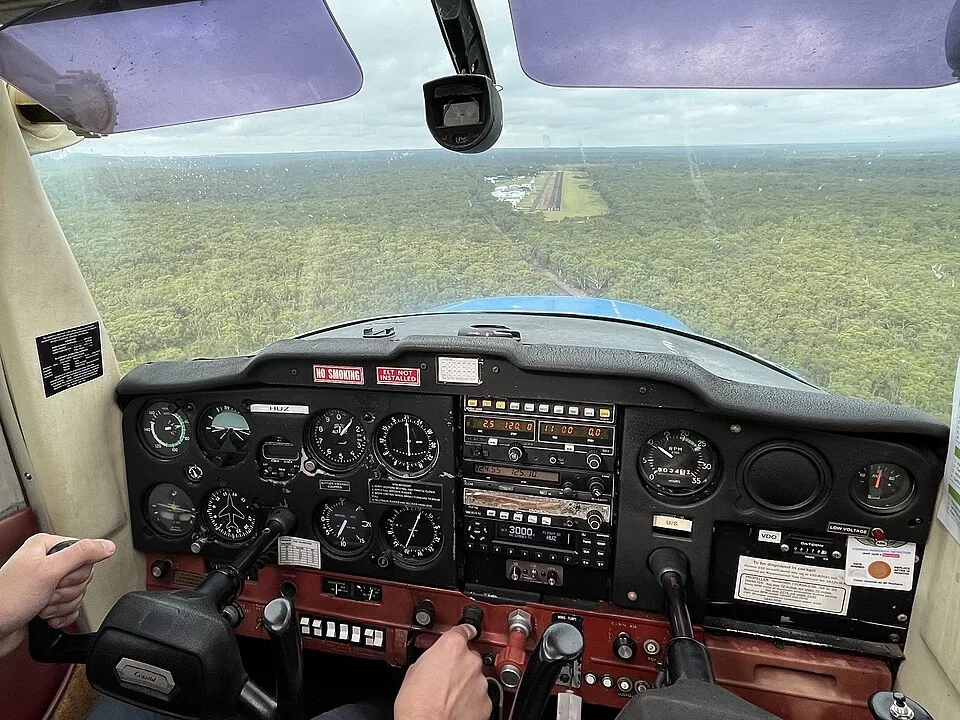

This is an explanation of the flying machine, not a set of operating procedures. It describes stock-family concepts and identifies where model, configuration and conditions change the answer. Speeds, settings, checklists and approved maneuvers belong to the POH/AFM applicable to the actual aircraft and to flight instruction. The training article explains the educational role; the performance references preserve the numerical questions and their conditions.
Pitch, roll, yaw and trim
Pitch is rotation about the transverse axis, raising or lowering the nose. Roll is rotation about the lengthwise axis, changing bank. Yaw is rotation about the vertical axis, changing the direction the nose points. The elevator, ailerons and rudder are the principal control surfaces associated with those motions. The control wheel and pedals transmit inputs through the mechanical control system rather than acting on the air directly.
These associations describe primary functions, not three motions isolated from one another. Aircraft response involves the combined aerodynamic forces and the current flight condition. Aileron and rudder inputs therefore belong to the same flying aircraft even though their principal axes differ. The flight-control reference identifies the separate mechanical paths, while the design article distinguishes fixed tail surfaces from their movable controls.
Elevator trim changes the control force needed for a chosen condition through its trim-tab arrangement. It does not freeze the aircraft at an altitude or turn the trim system into an autopilot. Changes in power, speed or configuration can change the force relationship. That is the conceptual reason trim belongs beside primary controls in an explanation of flying, while remaining a separate mechanism in the technical records.
Power, airspeed and the propeller
The engine provides shaft power to the propeller, which produces thrust by acting on the air. In the standard fixed-pitch installation, blade pitch is established by the propeller design. Engine rpm is an indication within that installation, rather than a universal measure of performance independent of airspeed, atmosphere and propeller identity. The propeller references distinguish approved combinations instead of treating every propeller on the same engine as equivalent.
The U.S. 150 and 152 powerplants are normally aspirated piston engines in their familiar stock forms. Available performance changes with atmospheric conditions as well as loading and configuration. An engine's rated power does not directly supply the airplane's climb rate or takeoff distance. The engine comparison establishes the installations; the corresponding aircraft performance information describes what the complete aircraft can do under specified conditions.
Airspeed also has several meanings. Indicated airspeed is what the instrument displays; true airspeed describes movement through the air; groundspeed describes movement over the ground. Calibration and pressure effects introduce further distinctions. The airspeed-types article explains them in detail. A cruise claim becomes misleading when a groundspeed observation is compared with a published indicated or true speed as though they were the same quantity.
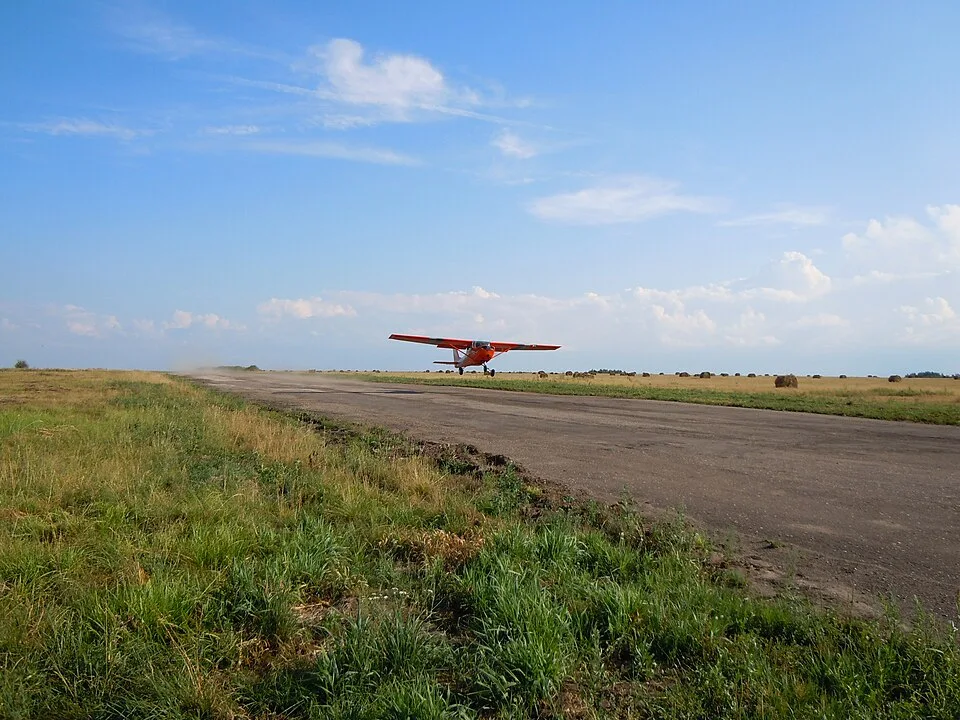

Flaps change the wing's aerodynamic configuration
Flaps alter the wing's lift and drag characteristics. Their role cannot be reduced to a promise of a particular landing distance or an assumed improvement in every flight phase. Configuration is one of the conditions under which performance and limitations are established. Flap position therefore belongs with weight, power and atmosphere when interpreting a handbook's description of a flight condition.
The early 150's manual actuation and the later electric systems change how cockpit inputs reach the flaps. The late-150 and 152 maximum-travel contexts also differ. Neither a shared electric motor description nor a visually familiar switch establishes identical permitted use. The flap reference separates actuation, travel and component history; the aircraft's applicable operating information establishes settings and limitations.
This also explains why a specification cannot be assembled from attractive numbers taken from several models. A flap figure from one aircraft, a weight from another and a distance from a third do not describe a tested combination. A useful comparison retains the complete model and conditions together. The 150-versus-152 comparison provides the existing family comparison with those distinctions intact.
Takeoff and climb are different performance questions
Takeoff distance describes a transition from the ground into flight under defined conditions. Ground roll and distance over a specified obstacle are different measures. Climb rate describes height gained with time; climb gradient concerns height gained over horizontal distance. A reader who distinguishes those quantities can understand why a short-looking ground roll does not, by itself, describe an entire departure.
Weight and the atmosphere participate throughout that transition. Lower air density affects engine power and the aerodynamic relationship between speed and lift. A greater aircraft weight changes the demands on the complete aircraft. The density-altitude article explains the atmospheric concepts, while takeoff distance and climb rate address the separate published measures.
The aircraft's actual loading is therefore relevant before a performance number has meaning. Empty weight, occupants, baggage and fuel combine to establish a specific loading condition, with center of gravity assessed separately. The useful-load explanation connects that arithmetic with the individual aircraft. No single penalty or correction published for the whole 150/152 family could replace the applicable chart and its assumptions.
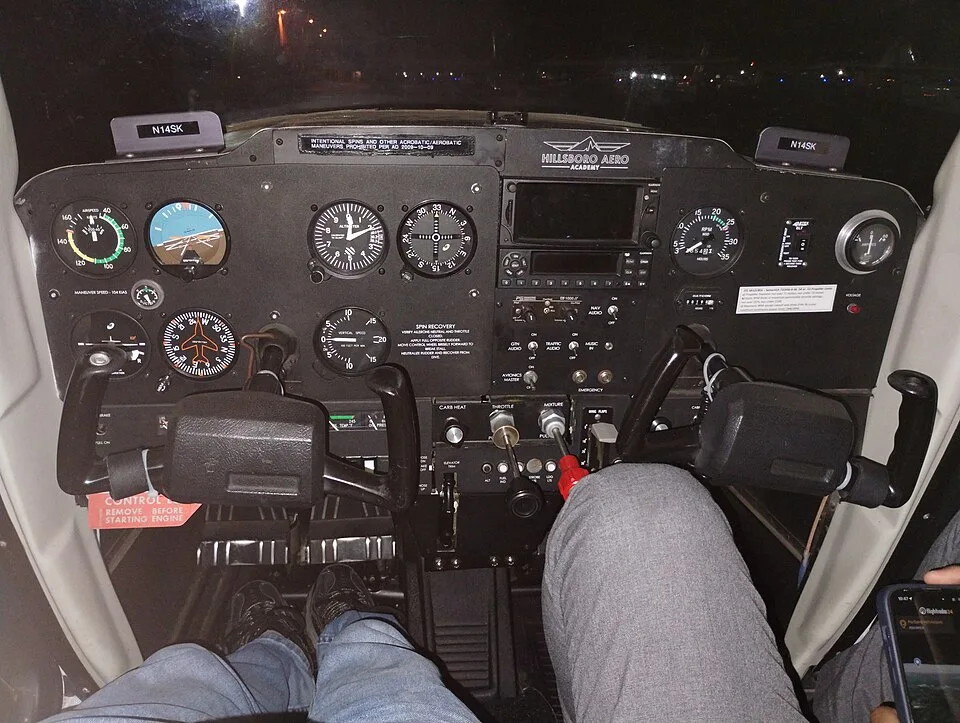

Cruise and descent connect speed with energy
In steady level cruise, the aircraft's forces are in balance rather than the engine simply producing a speed in isolation. Power, drag, altitude and configuration all participate. A published cruise figure consequently needs its stated power and altitude context. The cruise-speed reference keeps those conditions attached, and the range article adds fuel and reserve assumptions to the different question of distance available.
A descent changes the relationship between height, speed, power and drag. Losing height does not identify a single airspeed or engine setting, and adding drag is not the same as prescribing a descent path. These relationships explain why flap configuration and power appear in operating descriptions of different phases. This article makes no universal claim about how strongly every 150 or 152 responds to a given input; exact handling observations would need an identified aircraft and conditions.
Landing introduces the further distinction between airborne approach and the ground phase. Published landing-distance information has its own configuration, weight and environmental assumptions. The fixed landing gear removes a retraction task from the standard landplane, but it does not remove the need to understand those assumptions. The landing-distance reference addresses the numerical subject; a general aircraft article cannot supply a substitute approach or touchdown technique.
Ground handling has its own controls
On the ground, the nosewheel steering system and the main-wheel brakes connect the pilot with the rolling aircraft. Rudder pedals have a steering relationship as well as their airborne rudder function. The brakes act at the main wheels. These distinctions explain why a description of steering cannot be used as a complete description of braking, or why an airborne yaw-control explanation does not cover every ground-handling mechanism.
The nose assembly also has a shock strut and a shimmy dampener in the stock landplane description. Shock absorption and damping have different purposes from steering. A reported vibration or steering concern therefore does not identify one failed component by name. The landing-gear article and brake article connect the broad functions to their separate technical subjects.
Ground behavior also depends on the actual aircraft, loading and surface conditions. The 150 family's gear generations and later component changes remain relevant even though the overall layout looks familiar. This encyclopedia explanation supplies neither a taxi procedure nor a troubleshooting test. Current condition and applicable maintenance information are required to resolve a discrepancy.
Handling descriptions need an aircraft and a context
Words such as forgiving, easy or ideal summarize an impression without identifying its basis. The useful description here is more specific: a conventional control arrangement, fixed landplane gear, a stock fixed-pitch propeller, and performance dependent on weight, configuration and atmosphere. Those characteristics help a newcomer understand the aircraft without promising a particular personal experience or reducing flight training to a model's reputation.
Certification category also needs precise language. The standard U.S. landplane references identify Utility-category aircraft, while the Aerobat branch has Acrobatic-category identities. Ordinary flying is not a synonym for Normal category. The Aerobat guide distinguishes approved variants and limitations; a family resemblance does not transfer maneuver approval to another model, loading or installation.
Finally, the individual aircraft may have alterations or equipment absent from a general handbook description. Its applicable POH/AFM, supplements and current records establish the relevant configuration and operating information. The manual-types guide explains those publication roles. An encyclopedia can connect the concepts and show where to look next, while the aircraft's controlling information and instruction supply the operational answer.