Cessna 150J Model Reference
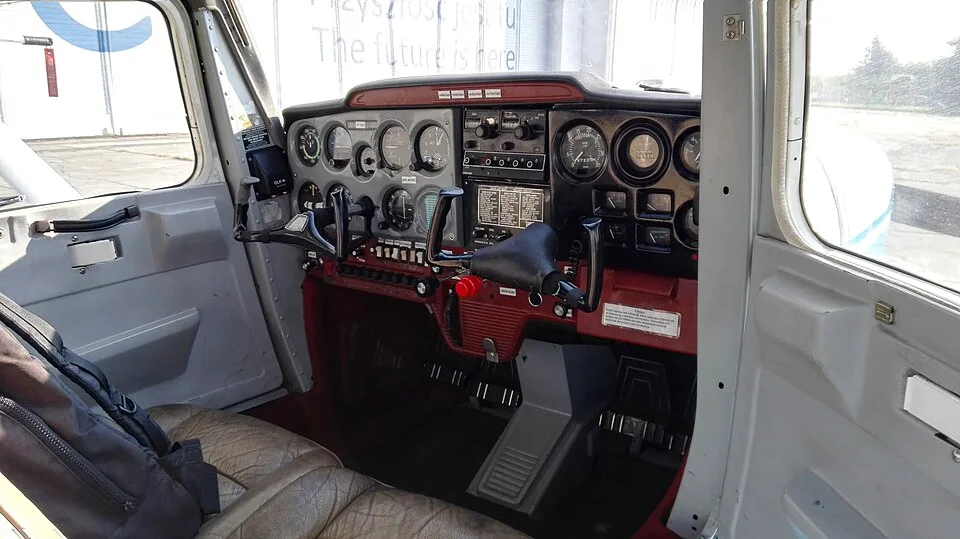
The 150J chronology records a modernization of controls and electrical switchgear described in the specialist historical sources. This is historical context, not a substitute for serialized wiring or installed-equipment identification. A later modification can make the current cockpit differ from the original model-year description.
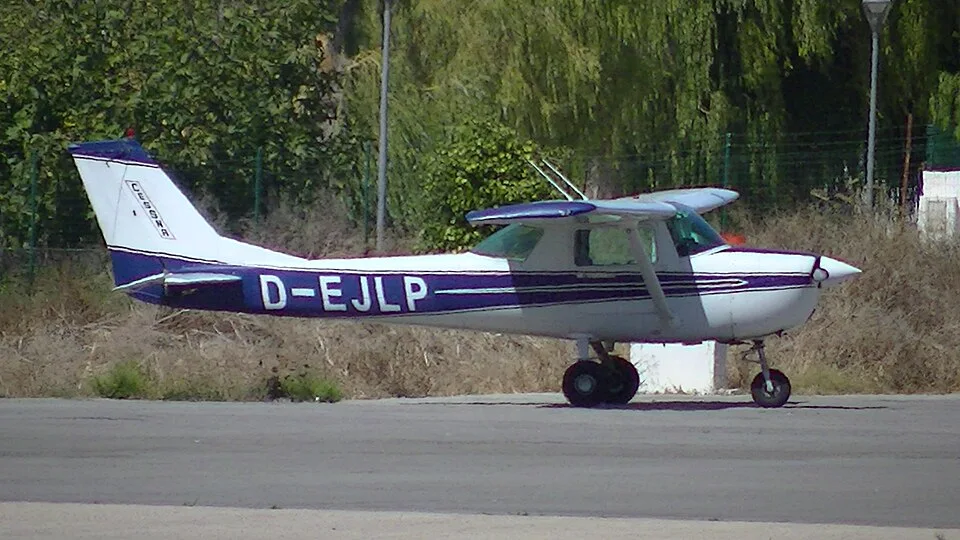

Cockpit modernization in the swept-tail line
Following the 150H, the 1969 150J is associated with changes in the cockpit's controls and electrical switchgear. It comes before the 150K and remains part of the O-200-powered standard line. The documented sequence goes from H to J; it is not a reason to create an unrepresented I-model page. Model letters should follow the actual chronology rather than a completed alphabet.
A switchgear change is best understood as a change at the interface between occupants and systems. The cabin control explanation identifies the jobs of the controls, while the electrical reference addresses their wider system context. A modern replacement panel may make a J look different today, so the historical account and present installation describe different stages in the aircraft's life.
| Model Years | 1969 |
|---|---|
| Certification Category | Utility |
| Certified Serial Eligibility | 15069309-15071128 |
| Type-design engine context | Continental O-200-A |
Generation and Certification
The performance records below and the family dimensions reference retain their own year and source conditions. They can support comparison with the earlier swept-tail models, but a published cruise or climb result cannot diagnose an individual engine or establish the aircraft's present configuration. Electrical, engine and propeller records must be reconciled separately.
The 1969 150J chronology describes modernization of the controls and electrical switchgear. That is useful cockpit history, but it is not a complete serialized wiring instruction. The J follows the H and precedes the K without changing the basic O-200-A engine family or the standard 1,600-lb landplane limit. Its year summary gives 32 ft 8.5 in span, 23 ft length and 8 ft 7.5 in height. Those dimensions provide a better comparison with the later L-series length changes than a broad claim that all swept-tail 150s are dimensionally identical.
| Model | TC | Category | Initial Model Approval Date | Core Cert Basis | Certification / Identity Note | Reference |
|---|---|---|---|---|---|---|
| 150J | 3A19 | Utility | 1968-05-02 | CAR 3 (1956-05-15) amended 3-4 | - | [1] |

Serial Numbers and Production
For 150J, the ordinary source assignments are 1969: 15069309 through 15071128. The serial guide retains source conflicts and exceptional identities alongside these intervals.
| Model Year | Official Model | Serial Start | Serial End | Excluded / Override Serials | Notes | Primary Source |
|---|---|---|---|---|---|---|
| 1969 | 150J | 15069309 | 15071128 | - | - | [1] |
Engine, Propeller and Equipment Changes
A J-model cockpit may now contain replacement switches, radios or instruments that differ from the historical panel description. For electrical research, identify the installed equipment and the applicable maintenance documentation before turning that description into a component assumption. The propeller applications also retain landplane/seaplane conditions, and the loading evidence contains both configurations. That means the ordinary serial establishes the J identity but cannot alone select a float-related propeller or a sea loading limit. The aircraft's configuration records complete the relationship that the model label only starts.
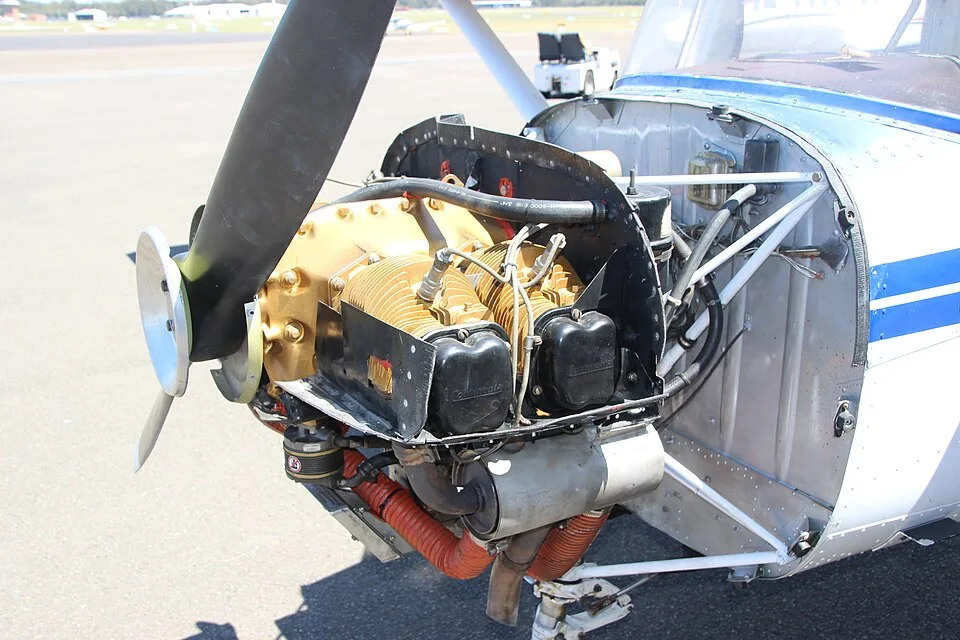
The 150J factory installation groups specify 1969: O-200-A, 100 hp at 2750 RPM. Its named propeller applications are 69CK family / 1A100/MCM6950 / 1A101/DCM6950; 1A90/CF. Their diameter, static-RPM and configuration conditions are preserved together below.
| Origin | Model Year | Aircraft Model | Factory Engine | Installed hp | RPM Limit | First Serial in Group | Last Serial in Group | Applicability Basis | Aircraft Source |
|---|---|---|---|---|---|---|---|---|---|
| USA | 1969 | 150J | O-200-A | 100 | 2750 | 15069309 | 15071128 | Factory / type-design | [1] |
| Aircraft Model | Model Year / Config | Engine | Exact Propeller Application | Max Dia | Min Dia | Static Min | Static Max | Notes | Primary Authority |
|---|---|---|---|---|---|---|---|---|---|
| 150G through 150K | Landplane | O-200-A | 69CK family / 1A100/MCM6950 / 1A101/DCM6950 | 69 | 67-67.5 | 2320/2375/2500 | 2470/2475/2600 | Use propeller-specific static range. | [1] |
| 150G through 150K | Seaplane | O-200-A | 1A90/CF | 75 | 73.5 | 2500 | 2600 | Seaplane only. | [1] |
Specifications, Fuel and Loading
The 1969 performance series includes condition-preserved range entries in addition to cruise, climb and runway headlines. A high range figure should be read with usable fuel, altitude and the no-reserve basis rather than compared directly with a later figure in nautical miles or with a reserve. The 975-lb Standard and 1,060-lb Commuter empty-weight examples further explain why payload descriptions can differ within the same year. The useful buying comparison is the actual aircraft's load margin and documented equipment, not a single representative empty weight copied from a J-model summary.
The J's 1969 handbook family provides a bridge between its historical cockpit description and the numerical operating evidence. The electrical-switchgear wording should not be interpreted as an exact parts change at the first J serial unless the relevant source establishes that trigger. Its ordinary identity interval is nevertheless precise and distinct from the preceding H and following K. The later K spinner breakpoint is not a J change, and the later L gear generation is not a J feature by default. This separates model history from component effectivity and keeps a comparison of surviving aircraft focused on their actual installations.
| Models | Category | Speed Basis | Vne | Vno | Va | Vfe | MTOW Land lb | MTOW Sea lb | Baggage lb | Source |
|---|---|---|---|---|---|---|---|---|---|---|
| 150G/150H/150J/150K | Utility | CAS | 141 kt / 162 mph | 104 kt / 120 mph | 95 kt / 109 mph | 87 kt / 100 mph | 1600 | 1650 | 120 | [1] |
| Models / Serial Applicability | Config | Category | Ramp lb | TO lb | Landing lb | Fwd CG light | Light wt | Fwd CG heavy | Heavy wt | Aft CG | Baggage | Datum / Reference | Leveling | Source |
|---|---|---|---|---|---|---|---|---|---|---|---|---|---|---|
| 150G, H, J, K | Land | Utility | - | 1600 | 1600 | 31.5 | 1280 | 32.9 | 1600 | 37.5 | 120 lb, reference W&B data | Certified datum | Top of tailcone | [1] |
| 150G, H, J, K with approved seaplane configuration | Sea | Utility | - | 1650 | 1650 | 33 | 1400 | 33.8 | 1650 | 36.5 | 120 lb, reference W&B data | Certified datum | Top of tailcone | [1] |
| Year | Model(s) | Max Speed | Cruise | ROC SL | Ceiling | Published Gross / MTOW | Published Empty Weight | Baggage | Notes | Source |
|---|---|---|---|---|---|---|---|---|---|---|
| 1969 | 150J | 122 mph; 125 Commuter | 117 mph @75% /7000 ft | 670 fpm | 12,650 ft | 1600 lb | 975 Std; 1060 Commuter | 120 lb | Detailed secondary page. | [1] |

Performance and Comparison Conditions
One published 150J example is 1969 cruise speed: 117 mph (power % 75; altitude ft 7000). The table keeps each metric's year, units, power, altitude, fuel and reserve columns together. Use the performance guide to distinguish headline comparisons from handbook operating calculations; no unreported condition is supplied for 150J.
| Year | Model | Value | Units | Power % | Altitude ft | Fuel Usable gal | Reserve Basis | Obstacle ft | Condition Note | Source |
|---|---|---|---|---|---|---|---|---|---|---|
| 1969 | 150J | 122 | mph | - | - | - | - | - | Published headline value | [1] |
| 1969 | 150J | 117 | mph | 75 | 7000 | - | - | - | Published headline condition | [1] |
| 1969 | 150J | 670 | fpm | - | - | - | - | - | - | [1] |
| 1969 | 150J | 12650 | ft | - | - | - | - | - | - | [1] |
| 1969 | 150J | 735 | ft | - | - | - | - | - | - | [1] |
| 1969 | 150J | 1385 | ft | - | - | - | - | 50 | - | [1] |
| 1969 | 150J | 445 | ft | - | - | - | - | - | - | [1] |
| 1969 | 150J | 1075 | ft | - | - | - | - | 50 | - | [1] |
| 1969 | 150J | 475 | mi | 75 | 7000 | 22.5 | No reserve | - | Condition-preserved published range | [1] |
| 1969 | 150J | 726 | mi | 75 | 7000 | 35 | No reserve | - | Condition-preserved published range | [1] |
| 1969 | 150J | 565 | mi | - | 10000 | 22.5 | No reserve | - | Condition-preserved published range | [1] |
| 1969 | 150J | 880 | mi | - | 10000 | 35 | No reserve | - | Condition-preserved published range | [1] |
Manuals, Maintenance and Research
D624-13 is the J-model manual lead, and its source retains the no-adjacent-year-borrowing boundary. A G, H or K manual may look familiar while failing to establish the right operating relationship. The corresponding Reims F150J shares a handbook-family mapping but has its own serial format and authority context. For a standard U.S. J, use the model's own serial interval and exact propeller/weight groups, then investigate seat locking, tail attachment and other maintenance topics through their named applicability rather than treating the family issue list as a diagnosis of every J airframe. The positive 150J publication leads are 1969: D624-13 (Owner's Manual).
| Family / Year | Model | Publication | Document Class | Serial / Year Effectivity | Authority Basis | Operational Status | Special Boundary | Reference |
|---|---|---|---|---|---|---|---|---|
| 1969 | 150J / F150J | D624-13 | Owner's Manual | 1969 equivalent mapping | CAA TAR 98/08 | Authority-recognized family | No adjacent-year borrowing | [1] |