Cessna A150K Aerobat Model Reference
The A150K is the first U.S. Aerobat identity in the chronology. It has its own serial sequence and acrobatic certification category, even though its approval history is closely related to the standard 150K. That is a legal-model distinction, not merely a marketing label added to a standard aircraft.
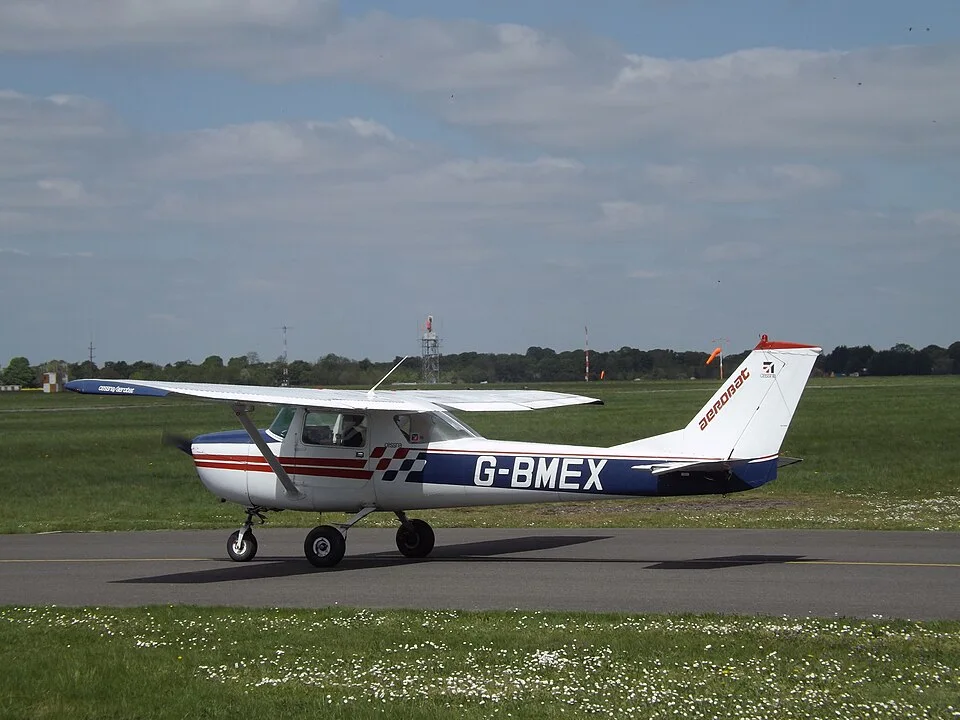

The opening U.S. Aerobat branch
The A150K introduces the U.S. Aerobat into the 1970 model-year family alongside the standard 150K. It begins a separate sequence continued by A150L and A150M. The leading A identifies a certificated Acrobatic-category model in this U.S. naming context. It does not describe a decorative package that can be applied to any standard K.
The shared O-200-A background makes the category distinction especially important. Engine power alone does not explain which aircraft is being considered or which operating information belongs to it. The Aerobat guide explains the broader branch, and the training discussion distinguishes instructional use from maneuver approval. The A150K's own propeller and handbook relationships below keep that distinction attached to the actual model.
| Model Years | 1970 |
|---|---|
| Certification Category | Acrobatic |
| Certified Serial Eligibility | A1500001-A1500226 |
| Type-design engine context | Continental O-200-A |
Generation and Certification
The shared model-year summary must be read with the separate Aerobat certified-limit and loading records. Similar power or weight values do not make the standard and Aerobat documents interchangeable. Pilots need the information controlling the actual aircraft, while buyers should confirm identity and configuration before interpreting an Aerobat description.
The A150K is the opening U.S. Aerobat identity, with the separate A1500001-A1500226 interval for 1970. It is not a standard 150K with an advertising suffix. Its Acrobatic category is reflected in the recorded 168-kt Vne, 122-kt Vno and 103-kt Va, compared with 141, 104 and 95 kt respectively in the standard K group. These are certified CAS comparisons, not a description of every maneuver permitted in every loading condition. The specific handbook remains the place to establish approved operations and their limitations.
| Model | TC | Category | Initial Model Approval Date | Core Cert Basis | Certification / Identity Note | Reference |
|---|---|---|---|---|---|---|
| A150K | 3A19 | Acrobatic | 1969-06-05 | CAR 3 (1956-05-15) amended 3-4 | Aerobat certification category | [1] |

Serial Numbers and Production
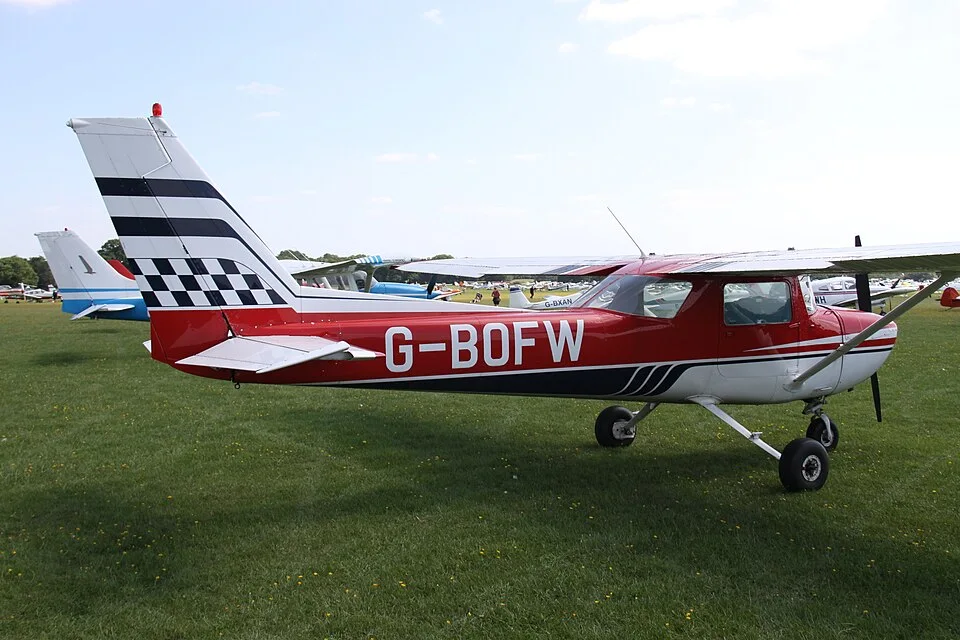
For A150K, the ordinary source assignments are 1970: A1500001 through A1500226. The serial guide retains source conflicts and exceptional identities alongside these intervals.
| Model Year | Official Model | Serial Start | Serial End | Excluded / Override Serials | Notes | Primary Source |
|---|---|---|---|---|---|---|
| 1970 | A150K | A1500001 | A1500226 | - | - | [1] |
Engine, Propeller and Equipment Changes
The A150K retains an O-200-A factory installation rather than introducing the O-240 engine associated with later higher-power Reims identities. The exact Aerobat propeller application belongs with that engine and its approved operating limits. Similar nominal power in the standard K therefore does not remove the need for the Aerobat documentation. The 1970 year summary groups standard and Aerobat context; equipment or empty-weight examples within it need their own labels. A shared summary is not evidence that every listed configuration applies to an A150K.
The A150K factory installation groups specify 1970: O-200-A, 100 hp at 2750 RPM. Its named propeller applications are 1A101/DCM6950. Their diameter, static-RPM and configuration conditions are preserved together below.
| Origin | Model Year | Aircraft Model | Factory Engine | Installed hp | RPM Limit | First Serial in Group | Last Serial in Group | Applicability Basis | Aircraft Source |
|---|---|---|---|---|---|---|---|---|---|
| USA | 1970 | A150K | O-200-A | 100 | 2750 | A1500001 | A1500226 | Factory / type-design | [1] |
| Aircraft Model | Model Year / Config | Engine | Exact Propeller Application | Max Dia | Min Dia | Static Min | Static Max | Notes | Primary Authority |
|---|---|---|---|---|---|---|---|---|---|
| A150K | All | O-200-A | 1A101/DCM6950 | 69 | 67 | 2500 | 2600 | Aerobat. | [1] |


Specifications, Fuel and Loading
The A150K certified landplane limit is 1,600 lb, but the Acrobatic category and its loading requirements cannot be inferred from gross weight alone. Standard-K performance headlines are not assigned to this model as an exact performance series. That distinction is especially important when comparing an Aerobat listing with a standard trainer: greater certified speed limits are not a promise of higher cruise speed, and common engine horsepower does not prove identical usable load. Read the Aerobat loading group and matching operating document as a coherent set.
The A150K's 226 ordinary serial identities form the opening U.S. Aerobat interval in this reference. That count describes the source-assigned range, not a claim that 226 examples survive or retain original configuration. The next A150L begins a multi-year documentary context, while the standard K keeps a different ordinary namespace. Comparing an early Aerobat with a later A152 should therefore retain both the O-200-to-O-235 transition and the category-specific operating information. A higher certified Vne is a limitation, not a cruise performance result or a measure of an individual airframe's condition after its service history.
| Models | Category | Speed Basis | Vne | Vno | Va | Vfe | MTOW Land lb | MTOW Sea lb | Baggage lb | Source |
|---|---|---|---|---|---|---|---|---|---|---|
| A150K | Acrobatic | CAS | 168 kt / 193 mph | 122 kt / 140 mph | 103 kt / 118 mph | 87 kt / 100 mph | 1600 | - | 120 | [1] |
| Models / Serial Applicability | Config | Category | Ramp lb | TO lb | Landing lb | Fwd CG light | Light wt | Fwd CG heavy | Heavy wt | Aft CG | Baggage | Datum / Reference | Leveling | Source |
|---|---|---|---|---|---|---|---|---|---|---|---|---|---|---|
| A150K | Land | Acrobatic | - | 1600 | 1600 | 31.5 | 1280 | 32.9 | 1600 | 37.5 | 120 lb, reference W&B data | Certified datum | Top of tailcone | [1] |
| Year | Model(s) | Max Speed | Cruise | ROC SL | Ceiling | Published Gross / MTOW | Published Empty Weight | Baggage | Notes | Source |
|---|---|---|---|---|---|---|---|---|---|---|
| 1970 | 150K/A150K | 122 mph; 125 Commuter | 117 mph @75% /7000 ft | 670 fpm | 12,650 ft | 1600 lb | 975 Std; 1060 Commuter | 120 lb | A150 certification limits stored separately. | [1] |
Manuals, Maintenance and Research
D727-13 / D740-13 is the combined publication-family lead for the 1970 standard and Aerobat models. The A150K reference uses it to locate the right Aerobat copy, not to erase the standard/Aerobat boundary. The succeeding A150L continues the separate U.S. sequence across multiple model years. Reims FA150K begins another Aerobat namespace under A13EU, so its shared sales name is not a basis for importing U.S. acrobatic limits. The most useful prebuy evidence is the legal identity, correct manual, loading record and installed engine/propeller combination. The positive A150K publication leads are 1970: D727-13 / D740-13 (Owner's Manual).
| Family / Year | Model | Publication | Document Class | Serial / Year Effectivity | Authority Basis | Operational Status | Special Boundary | Reference |
|---|---|---|---|---|---|---|---|---|
| 1970 | 150K/A150K/F150K/FA150K | D727-13 / D740-13 | Owner's Manual | Standard vs Aerobat family | CAA TAR 98/08 + FAA 3A19 | Authority-recognized family | A150K acrobatic speeds differ | [1] |
Related Models and Technical Research
The 150K and A150K comparison explains why a shared engine and model year do not establish the same certified identity.