Cessna 150 and 152 in Flight Training
The Cessna 150 and 152 occupy an established place in primary flight training. Their two main seats place student and instructor beside one another, with access to a shared control and instrument environment. The standard landplane combines a single piston engine, fixed landing gear and a fixed-pitch propeller. Those factual characteristics explain the kind of learning platform the family provides; they do not establish that every aircraft or every training situation is equally suitable.
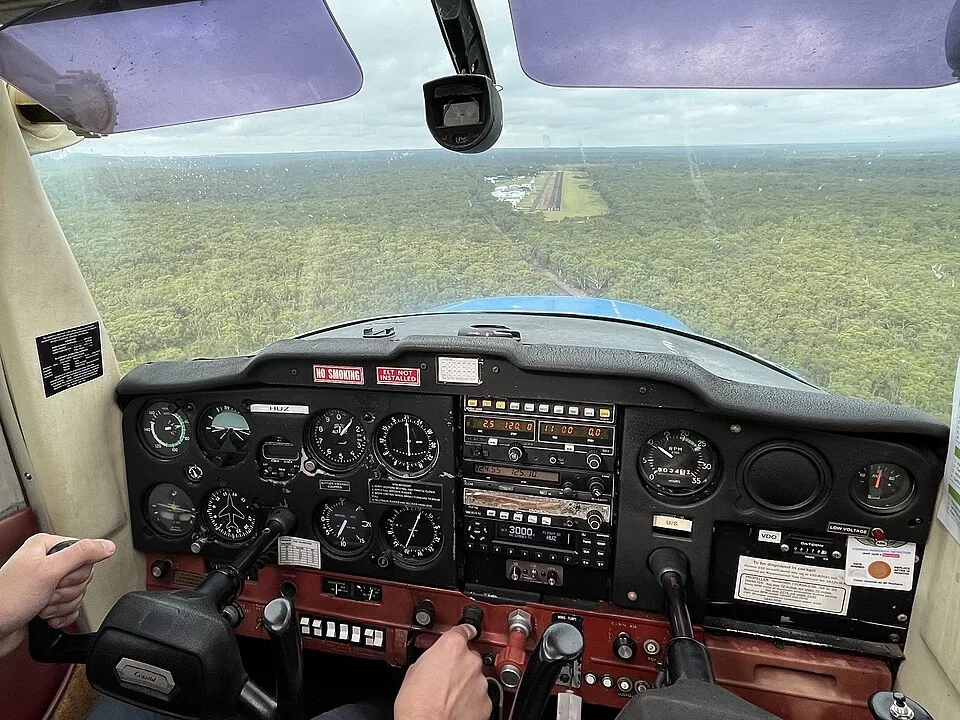

The Cessna 150 introduces the earlier aircraft and its generations, while the Cessna 152 covers the successor. This article concentrates on the relationship between aircraft layout and training, the differences that matter within the family, and the loading and equipment context surrounding a training flight. It is an account of the aircraft's role, rather than a syllabus or lesson in how to fly it.
Student and instructor share one cockpit
Side-by-side seating puts both occupants in the same small working environment. The instructor can observe the student's interaction with the controls and instruments, and both look at the same aircraft panel. This gives a concrete meaning to the expression two-seat trainer. It is a description of how instruction can take place, not evidence that each instrument or switch is duplicated for each occupant.
The paired control wheels and pedal arrangements connect that shared space to the primary controls. A student encounters the relationship between hand inputs, foot inputs and aircraft motion while the instructor has access to the control environment. The cabin and controls article explains the physical layout, including reach, seating and sight lines. The actual equipment and arrangement still matter: two aircraft bearing the same model name can present different radios, instruments or interiors.
This combination also gives the instructor and student a common object for discussion. A description of ailerons or trim can be connected with the corresponding cockpit control and the surface on the aircraft. The design article makes those connections visible before the technical reference follows the mechanism into cables, pulleys and component effectivity. Learning the names becomes more useful when each name belongs to a physical relationship.
Fixed gear and a fixed-pitch propeller define the configuration
The standard landplane's wheels remain extended. Its normal fixed-pitch propeller has no separate cockpit blade-pitch control. Those facts identify two system-management tasks absent from this configuration: landing-gear retraction and normal in-flight propeller-pitch selection. They help explain the aircraft's training context without converting simplicity in those areas into a general claim of effortless flying.
Other systems remain part of the pilot's work. Engine power, fuel supply, mixture, carburetor heat, trim, flaps and indications still have distinct functions. The aircraft also responds to atmospheric conditions, loading and configuration. Calling the airplane a basic trainer should not obscure those relationships. The flying explanation connects control, power and performance concepts without prescribing settings or a sequence of actions.
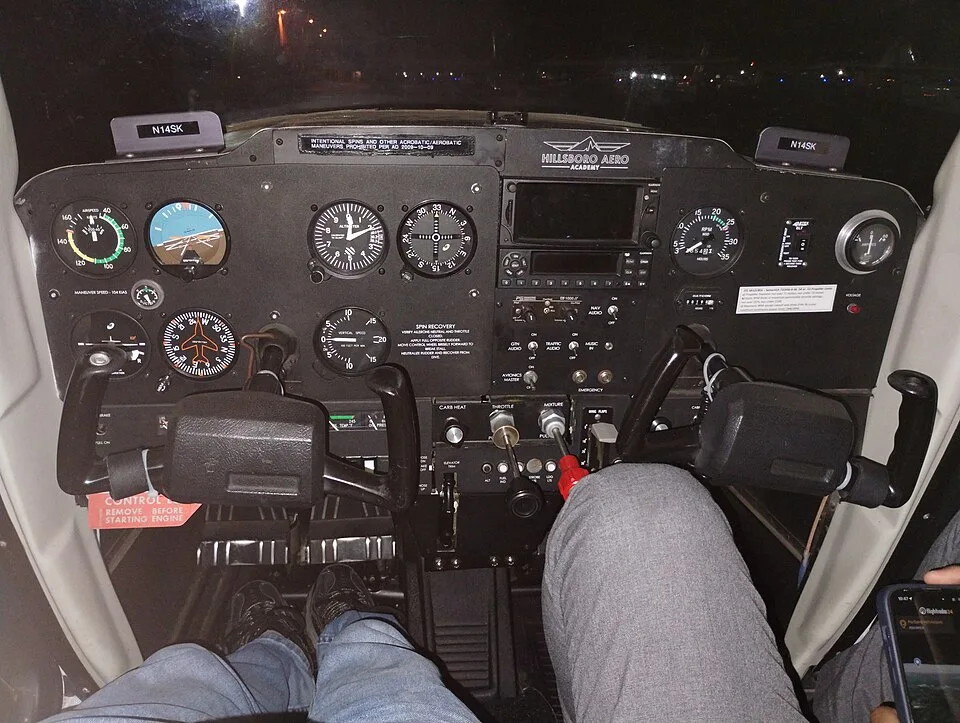
The visible design does not determine the whole training capability. An aircraft's installed instruments, equipment condition, approvals and applicable operating limitations all matter. The presence of a radio or a familiar instrument in a panel photograph is not, by itself, evidence that an aircraft meets the requirements of a particular course or operation. The instrument-system reference separates a general system description from the identification of actual installed equipment.
What changes between a 150 and a 152?
The 152 continues the recognizable late-150 training arrangement while using the Lycoming O-235 installation in place of the familiar U.S. 150's Continental O-200-A. The transition also changes electrical and flap context. These distinctions mean that a student moving between the families encounters an aircraft with related layout but different applicable information. The engine name or model badge alone is not a substitute for that information.
Differences within the 150 family can be just as visible in the cockpit. An early manual-flap aircraft and a later electric-flap 150 do not present the same flap interface. Rear glazing, doors and gear generations also changed before the 152 arrived. A comparison of one early 150 with one 152 therefore includes more than the single successor transition. The model history helps identify which generation is actually being compared.
For a direct family comparison, the existing Cessna 150 versus 152 article retains the engine, weight, fuel and performance distinctions. There is no useful universal verdict that one model label makes a better training aircraft. An individual aircraft's configuration, loading capability, records and condition can matter more to a specific training use than a general preference for an earlier or later name.

Two seats still require a loading calculation
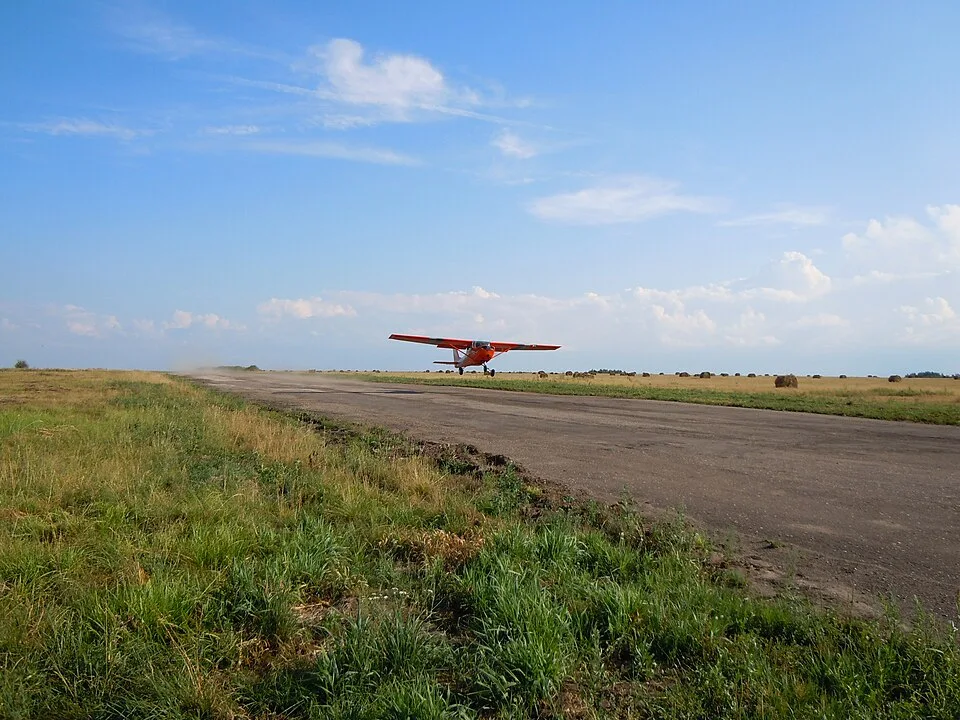
Two occupied seats do not automatically leave capacity for full tanks and baggage. Useful load is the difference between the applicable maximum weight and the individual aircraft's empty weight under the relevant definitions. Fuel, occupants and baggage draw on that allowance together. The useful-load article explains why an example specification is not the available load of every aircraft in the family.
A training mission makes this relationship easy to recognize. A student and instructor contribute their actual weights; the fuel load relates to the intended flight; carried equipment also contributes. Altered avionics, interiors or other installed equipment can change the airplane's empty-weight record before anyone boards. The aircraft weights reference preserves the model and configuration groups, while weight-and-balance records address the individual aircraft.
Center of gravity is a separate requirement from total weight. The location of occupants, fuel and baggage affects the balance as well as the sum. A loading combination cannot be judged only by whether the arithmetic stays below a maximum weight. These are general relationships that explain training-aircraft planning; the approved loading information and the actual aircraft data determine the operational result.
Weather and runway context remain part of performance
A published takeoff or climb figure belongs to stated conditions. Aircraft weight, altitude, temperature, wind and runway assumptions can all be part of the performance question. The same training aircraft does not have one unchanging departure capability at every airfield or in every season. The density-altitude explanation describes why lower air density affects the normally aspirated engine and the aircraft's performance together.
Training use does not remove those dependencies. Repeated flights in a familiar aircraft can still involve different people, fuel loads or conditions. A family-level specification is helpful for understanding scale, but it is not a substitute for the applicable handbook's performance information. The takeoff-distance reference distinguishes ground roll from obstacle distance, and the climb reference separates another part of the departure question.
The educational significance is that even a fixed-gear, fixed-pitch aircraft connects several subjects at once: loading, atmosphere, engine output, aircraft configuration and the meaning of a published chart. That connection helps explain the scope of primary training without presenting a worked operational example or inventing a family-wide safety margin.
Aerobat training is a distinct branch
The Aerobat variants broaden the family's story beyond the standard trainer. A150 and A152, together with relevant French branches, have separate certificated identities. The Acrobatic category is a design and approval distinction; it cannot be established by paint, an aircraft's advertised nickname or the fact that its engine resembles another model's installation. The Aerobat guide sets out those identities and limitations in context.
Standard U.S. 150/152 landplane references use Utility-category context, so a loose contrast between normal training and aerobatics should not silently relabel them as Normal-category aircraft. Ordinary training use and a certification category describe different things. Similarly, an Aerobat's existence within the family does not transfer its approved maneuvers or loading conditions to a standard 150 or 152.
The training question must therefore begin with the exact aircraft and the intended activity. The applicable flight manual, approvals and instruction govern that activity. This article explains the relationship between branches; it does not supply a maneuver list or imply that an approved type identity establishes the current condition or suitability of an individual aircraft.

A training aircraft also has a maintenance history
Time spent training is a use description, not a condition report. A logbook can document airframe and engine time, maintenance, repairs and equipment changes, while an inspection addresses current findings. Neither a former training role nor a private-owner description establishes how well an individual aircraft has been maintained. The logbook guide explains how to connect entries with the aircraft they describe.
Controls, seats, landing gear, brakes and the engine all have their own maintenance subjects. A general statement that an aircraft was regularly serviced is less informative than records identifying the work, components and applicable requirements. The maintenance article and prebuy guide organize those questions. Historical training use should not be turned into a claim that every airframe has suffered the same wear or damage.
The family's long model sequence also makes documentation part of its training legacy. Many pilots have encountered the same recognizable arrangement across different generations, while the correct technical answers remain model- and installation-specific. The historical significance discussion places that continuity alongside U.S., French and Aerobat development without relying on a current fleet count or a ranking of training-aircraft popularity.
The same aircraft can serve different kinds of flying
A two-seat aircraft can be used for instruction, a private flight with a passenger, or a journey between airfields. Those uses place different demands on the same available seats, fuel and baggage space. During dual instruction the second seat belongs to the instructor; on a personal flight it may hold a passenger. Neither use changes the model's loading limits. The cabin article explains the occupied space, while useful load explains why having a seat does not settle what can be carried.
Personal transportation also asks a different question from a short local lesson. Fuel carried, the planned route, weather and the applicable performance information all become part of the journey. A published range figure cannot promise that a particular trip is practical. The range explanation distinguishes the conditions behind the number, allowing the aircraft's transportation role to be described without inventing a universal trip length or travel advantage.
Recreational flying describes a purpose rather than an equipment standard. An owner flying locally may value the same basic aircraft arrangement used in training, but that does not establish the condition of the aircraft or make every instrument installation suitable for every intended operation. Actual equipment and operating documents remain part of the answer. The configuration-history article follows how that equipment can diverge between aircraft of the same model.
Training changes the questions asked of the aircraft
The side-by-side seating and shared control environment make the aircraft a place where demonstration and student practice can occur in the same cockpit. Fixed landplane gear removes a retractable-gear selection from the configuration sequence, while a fixed-pitch propeller avoids a separate pilot-selected propeller-pitch control. These are specific arrangements, not a claim that all the remaining decisions are easy. Loading, weather, navigation and aircraft control still have to be learned together.
The 150-to-152 transition preserves much of that recognizable learning environment while changing engine and systems context. Moving between examples therefore involves both familiarity and differences. A pilot may recognize the layout yet still need to establish the relevant engine controls, installed instruments, flap arrangement and operating information. The 150/152 comparison explains the family transition; an individual aircraft's documents resolve its current configuration.
For a school or private owner, training history is also a records question. A description such as former school aircraft identifies a past role but does not quantify landing cycles, prove damage or establish maintenance quality. Recorded time, inspections, repairs and present findings need to be considered separately. The ownership explanation places this work within continuing care, while the prebuy guide helps organize an aircraft-specific examination.
A lasting role without a popularity ranking
The family's training significance spans successive 150 generations, the later 152, and standard and Aerobat branches. That history is broader than one model-year specification. The Aerobat adds a distinct approved aircraft category and instructional context; it does not make a standard trainer an equivalent aircraft for the same activity. French manufacture also extends the story beyond the U.S. line, as the production account explains.
Continued use connects that history with living aircraft and their records. It is possible to explain the enduring relationship among student, instructor, owner and maintenance professional without claiming a current fleet size or that every school still uses the type. Each surviving aircraft adds its own equipment and maintenance history to the common design. That combination gives the family continuing educational and research relevance beyond the years in which new examples were produced.