Cessna 150K vs A150K Aerobat: Same Engine, Different Identity
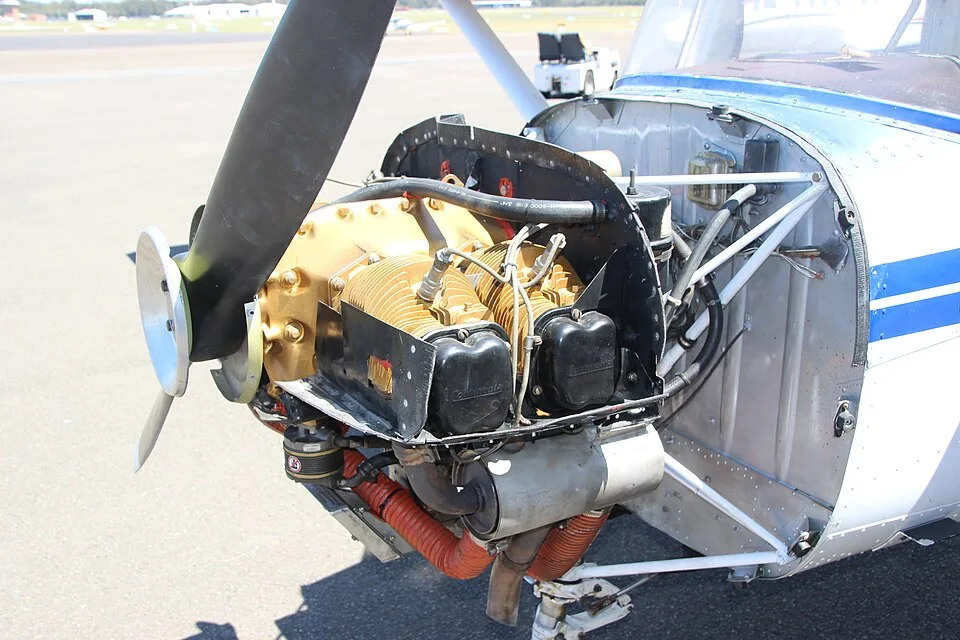
The 1970 Cessna 150K and A150K Aerobat share the recorded 100-hp O-200-A installation, but they are separate Utility and Acrobatic certified identities. The A150K is not a standard 150K made into an Aerobat by its appearance or equipment list. This comparison uses the first K-model pairing to explain the distinction without combining every later A150 variant into one set of limits.

| Official Model | Model Years | Certification Category | Engine as Type-Certificated | Certified Serial Eligibility | Important Identity Note | Reference |
|---|---|---|---|---|---|---|
| 150K | 1970 | Utility | Continental O-200-A | 15071129-15072003 | - | [1] |
| A150K | 1970 | Acrobatic | Continental O-200-A | A1500001-A1500226 | Official Aerobat model designation in TCDS 3A19. | [1] |
Why this pair needs more than an engine comparison
The 150K ordinary serial sequence runs from 15071129 to 15072003. The A150K has its own A1500001-A1500226 eligibility. Both are recorded in the 1970 model-year context, but a shared year and engine do not make their certification records interchangeable.
This is especially useful when researching an advertisement that says only “150 Aerobat.” Establish the complete model and serial first. The later A150L and A150M have their own entries, and Reims FA/FRA names require separate interpretation. The Aerobat family guide connects those branches without treating them as alternate spellings of A150K.

Category is not a complete operating answer
The Acrobatic category identifies the A150K's certification context. It does not, by itself, give the pilot the permitted maneuver list, entry conditions or loading restrictions for a particular aircraft. Those questions require the applicable approved operating material and current configuration evidence. This comparison does not derive maneuver permission or numerical operating limits from a model name.
The standard K and A150K recorded landplane groups both list 1,600 lb as maximum weight. That equality is not an equality of available payload. Equipment, empty weight and loading distribution still matter, while category-specific operating conditions cannot be inferred from the shared maximum. Use the baggage guide and actual loading records to keep compartment limits separate from the aircraft's available carrying allowance.

Parts and maintenance questions remain specific
The standard K history includes a spinner change from 15071711. That is a standard-model serial trigger, not a permission to apply the same numeric boundary to the A150K sequence. Propeller and spinner work should be reconciled with the exact installation and its records. The replacement-part applicability guide explains why a common engine or family label is insufficient evidence for a part selection.
Similarly, an Aerobat-related description of installed equipment should be checked against the actual aircraft. Later alterations, replacements and repairs belong in the record chain; their existence does not change the model identity merely by resemblance to another aircraft.
Comparing the aircraft offered for sale
A buyer can use this distinction to request the right evidence: complete identity, the corresponding operating documents, current weight and balance, and the history of relevant controls, restraints, engine and propeller work. The damage-history guide adds the separate repair-continuity question. A well-organized file makes the comparison more specific, but neither a clean-looking aircraft nor an Aerobat label proves present condition or compliance.