Cessna 152 vs A152 Aerobat: Category, Engines and Identity
The Cessna 152 and A152 Aerobat are separate certified models: the standard 152 is in the Utility category and the A152 is in the Acrobatic category. Their engine families overlap, so the Aerobat distinction is not simply an engine upgrade. Exact serial identity, applicable operating documents and installed configuration are central to comparing them; this page does not supply an approved maneuver list.


| Official Model | Model Years | Certification Category | Engine as Type-Certificated | Certified Serial Eligibility | Important Identity Note | Reference |
|---|---|---|---|---|---|---|
| 152 | 1978-1985 | Utility | Lycoming O-235-L2C through S/N 15285594; O-235-N2C from 15285595 and on, or aircraft reworked per SK152-15 / SK152-16 | 15279406-15286033 | Engine identity changes within the same certified model. O-235-L2C is 110 hp; O-235-N2C is 108 hp. | [1] |
| A152 | 1978-1985 | Acrobatic | Lycoming O-235-L2C through A1521014; O-235-N2C from A1521015 and on, or aircraft reworked per SK152-15 / SK152-16 | A1500433; 681; A1520735-A1521049 | TCDS carries two exceptional identity serials: A1500433 and 681. Do not infer model solely from serial prefix. | [1] |
What the Aerobat designation establishes
The 152 model record and A152 model record identify different certification categories under the U.S. type-design record. A paint scheme, harness or seller's description cannot replace that identity. Equally, the word Aerobat does not establish that a particular maneuver is permitted at the aircraft's current loading and configuration.
The broader Aerobat guide covers the U.S. and Reims branches. Use the exact approved aircraft operating material for limitations. Complete applicable maneuver evidence remains unresolved here, so numerical operating-limit comparisons and claims about aerobatic capability have deliberately not been synthesized from the category label.


Both models have an engine transition
The standard 152 record places the O-235-L2C through 15285594 and the O-235-N2C from 15285595. The A152 uses its own boundary: L2C through A1521014 and N2C from A1521015. The recorded rework pathways under SK152-15 / SK152-16 remain separate from those original serial boundaries.
The L2C-versus-N2C guide retains their 110-hp and 108-hp aircraft ratings. A late standard 152 and an earlier A152 therefore cannot be compared accurately by assuming all examples have one identical 110-hp engine. Check the installed engine designation, serial and rework history. Engine rating alone also does not establish useful load, climb or cruise performance.
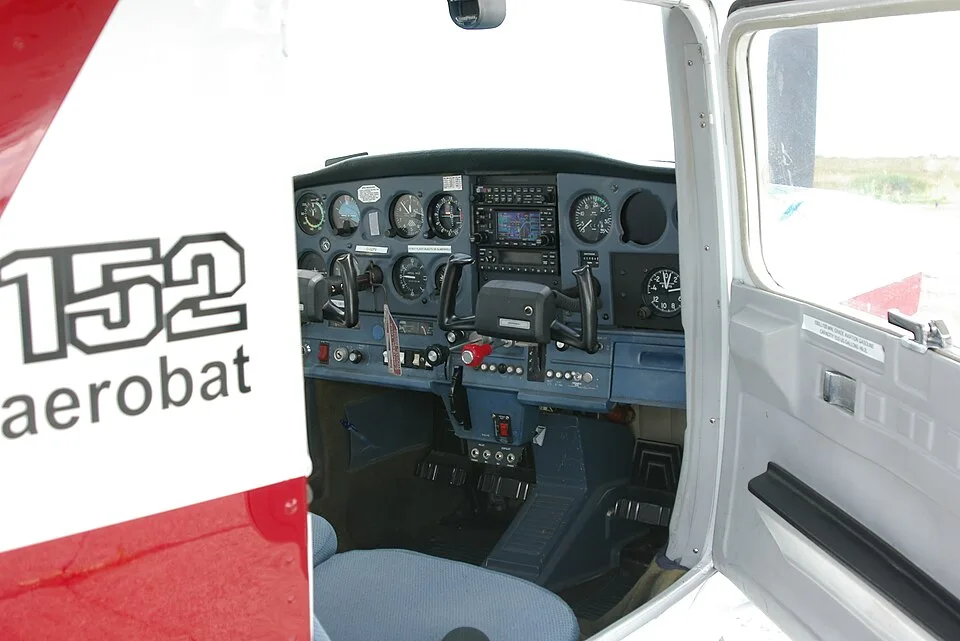

Exceptional serials and model-year conflicts
A152 eligibility explicitly includes A1500433 and 681. A1500433 must not be reassigned to an A150 merely because its prefix looks familiar. The serial lookup applies the special assignment before an ordinary range, while the serial guide preserves disagreements between model-year references. An identity result does not manufacture a missing date or settle an aircraft's installation history.
The rudder-stop directive reference is another reason to keep full model and serial information. Finding a family name in a directive summary is not a compliance determination; exact exceptions, installed modifications and recorded work remain relevant.
A useful buyer comparison
For both aircraft, obtain current weight-and-balance evidence, engine and propeller identification, maintenance records and the applicable operating-document set. For an A152, include a deliberate check that the documents and recorded configuration support the intended use rather than relying on the Aerobat name. Compare the actual file and physical findings through the prebuy guide. The evidence supports different research obligations and identities, not a blanket statement that one model is safer, cheaper or better.