Cessna 150C vs 150D: Rear Window, Weight and Baggage Changes
The Cessna 150C-to-150D transition combines a visible cabin change with a meaningful loading change. The 150D begins the Omni-Vision rear-window era while retaining the straight vertical fin. The cited certification groups move from the early 1,500 lb landplane limit to the 1,600 lb era, and the baggage reference increases from 80 to 120 lb. Those changes make this a more useful comparison than treating every adjacent model letter as equally different.
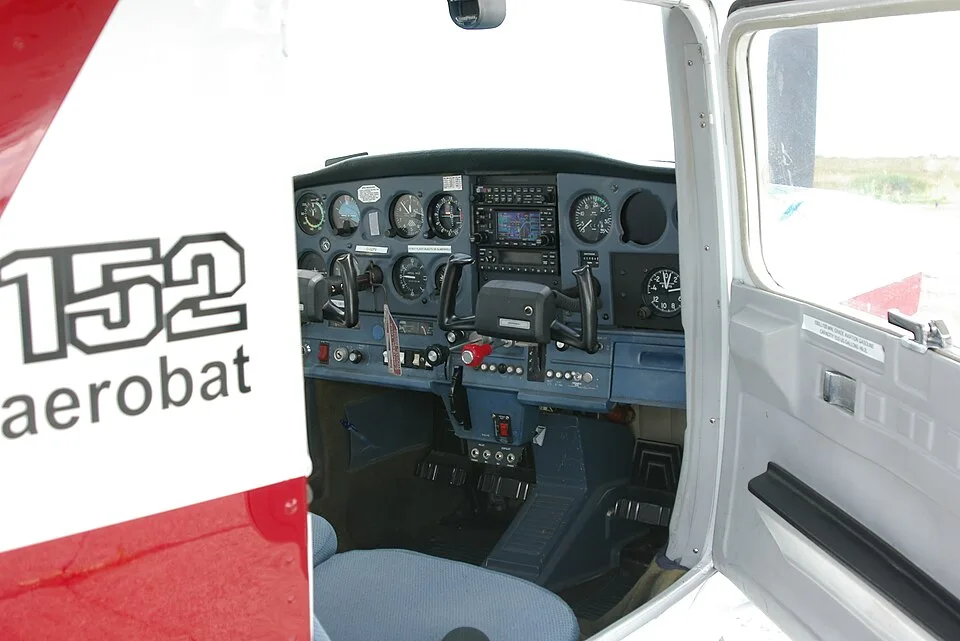

Compare the certified aircraft first
The 150C model reference and 150D model reference identify the respective model and serial context. The loading records below preserve category, CG boundaries and associated conditions. A higher maximum weight is only one part of the change: the applicable envelope and the actual empty aircraft also matter.
| Reference family | WB Group | Models / Serial Applicability | Config | Category | TO lb | Landing lb | Fwd CG light | Light wt | Fwd CG heavy | Heavy wt | Aft CG | Seats / Arm | Baggage | Datum / Reference | Leveling | Source |
|---|---|---|---|---|---|---|---|---|---|---|---|---|---|---|---|---|
| Cessna 150 | WB-150-ABC | 150, 150A, 150B, 150C | Land | Utility | 1500 | 1500 | 32.2 | 1250 | 33.4 | 1500 | 36 | 2 @ +39 | 80 lb @ +65 | Certified datum system | Top edge fuselage splice plate | [1] |
| Cessna 150 | WB-150-DEF | 150D, 150E, 150F | Land | Utility | 1600 | 1600 | 31.5 | 1280 | 32.9 | 1600 | 37.5 | 2 @ +39 | 150D/E: 120 lb @ +65; 150F: 120 lb ref W&B data | Certified datum / later handbook firewall Sta 0.0 | Top of tailcone | [1] |
Subtracting an individual aircraft's current empty weight from its approved maximum gives a useful-load starting point. It does not follow that every 150D can carry exactly 100 lb more payload than every 150C. Equipment additions, repairs and empty-weight differences can consume part of the increase. Compare the two current weight reports, not just the two type-design maximums.
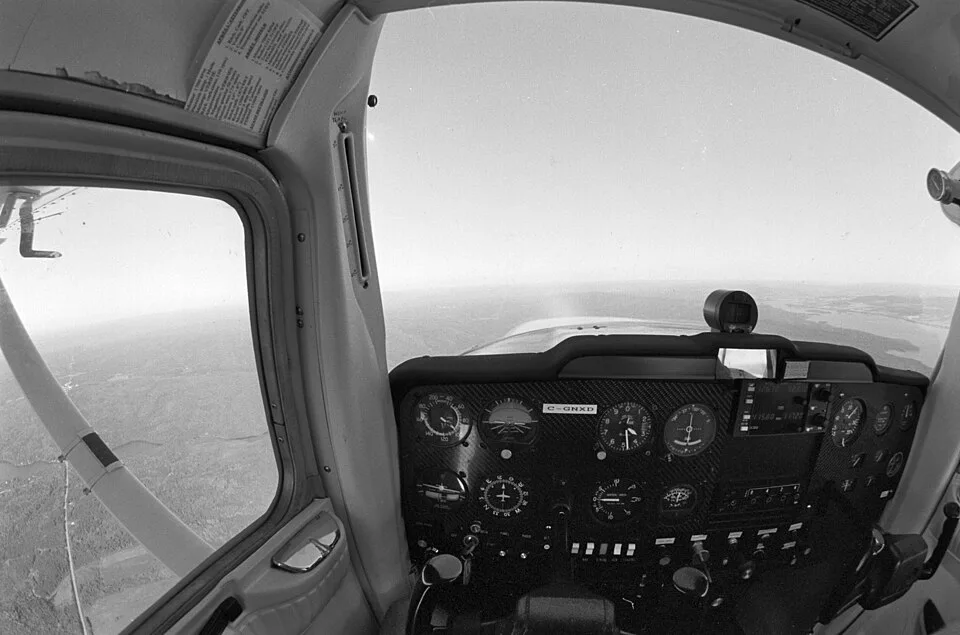

Rear-window generation versus tail generation
The historical distinction is easy to blur in advertisements. The rear-window change associated with the 150D is separate from the swept-tail change associated with the later 150F. A rear window alone therefore does not identify the electric-flap generation. The retained history records explain the early fastback and subsequent straight-fin rear-window eras without using exterior appearance as a substitute for the model plate.
| Reference family | Model Year / Date | Model(s) | Change Category | Documented Change | Why Historically Important | Reference type | Source | Reference | Technical Boundary |
|---|---|---|---|---|---|---|---|---|---|
| Cessna 150 | 1959-63 | 150 through 150C | Airframe era | Specialist technical history identifies the early production generation by its fastback fuselage/straight-fin configuration. | Defines the earliest visual/structural era. | Specialist technical secondary | Cessna Flyer | [1] | Technical limits remain FAA/manual-derived. |
| Cessna 150 | 1964-65 | 150D / 150E | Airframe/weight | Omni-Vision rear window era begins while retaining straight fin; 150D enters 1,600-lb certified-weight era. | First major post-introduction structural/visibility phase. | Secondary + certified data cross-check | Cessna Flyer + FAA TCDS | [2] | Certified weight comes from TCDS, not prose. |
Visibility and cabin impressions are useful reasons to inspect both aircraft in person, but this reference does not quantify a visibility improvement or claim a universal handling advantage. The evidence establishes the design transition; a buyer's preference remains a separate question.
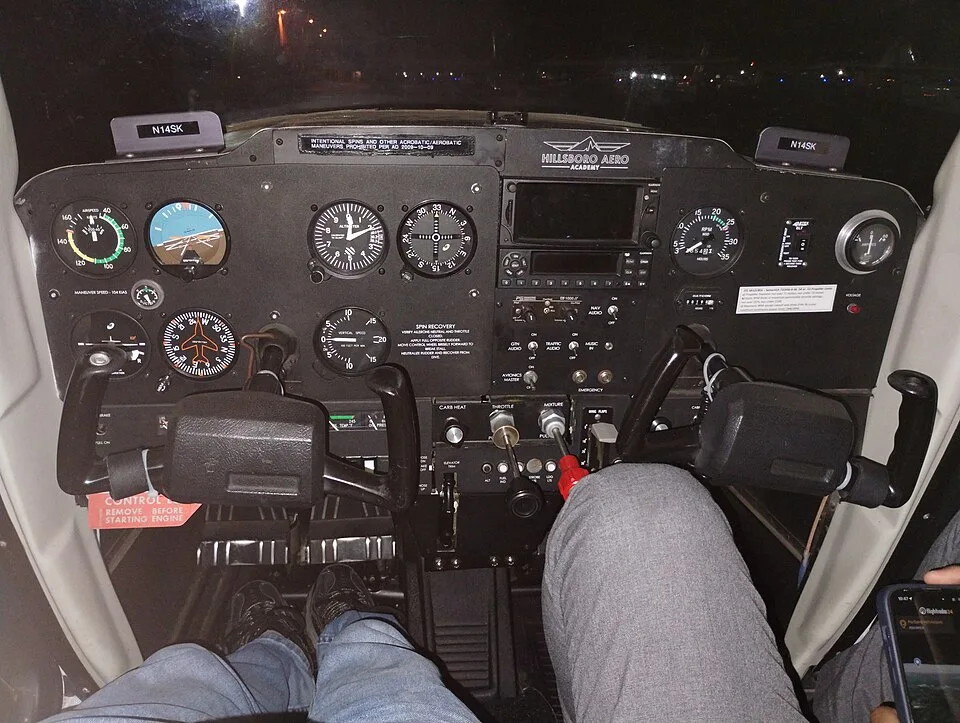

Baggage and the ownership decision
The change in baggage allowance deserves its own check because baggage capacity and total useful load are different constraints. A 150D's larger listed compartment allowance cannot be used if the proposed loading exceeds its weight or CG limit. Nor should a later two-area handbook diagram be applied to an early aircraft without establishing that the diagram belongs to its configuration. The baggage guide separates these issues.
An effective shortlist records four things for each aircraft: exact model identity, current empty-weight and equipment documents, cabin configuration, and repair history. That makes it possible to value the rear-window and loading changes without overlooking condition. The model transition is a reason to ask more precise questions, not a reason to disregard the records of a well-maintained earlier aircraft.