Cessna 150M vs A150M Aerobat: Category, Limits and Records
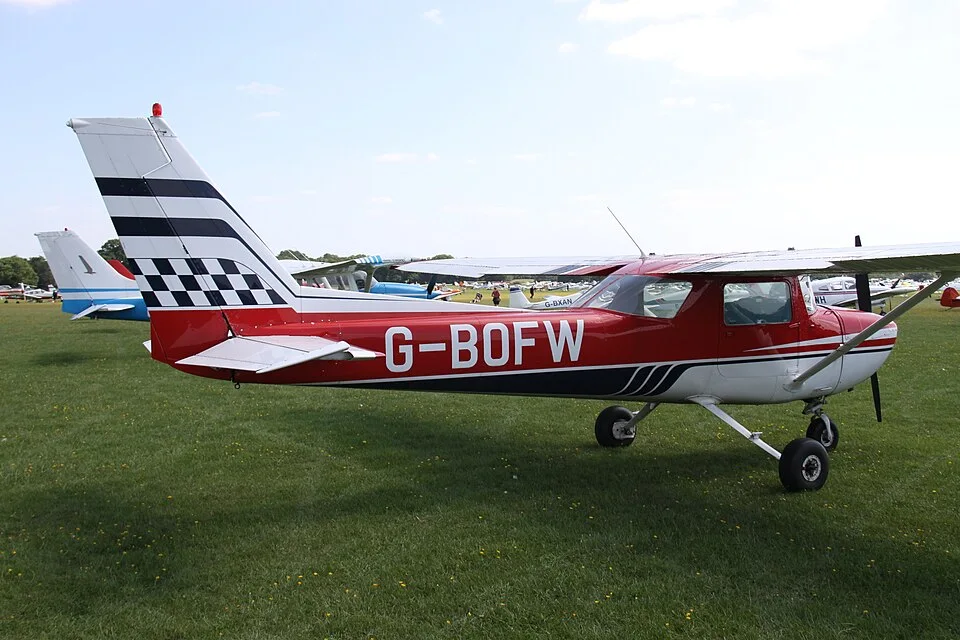
The Cessna 150M and A150M Aerobat belong to the same 1975-1977 model period and use the Continental O-200-A rated at 100 hp, but they are different certified models. The 150M is listed in the Utility category; the A150M is listed in the Acrobatic category. The Aerobat distinction is therefore not an engine-power upgrade, and an Aerobat paint scheme cannot establish it. Model identity, approved limitations and the individual aircraft's records are the decisive differences.


Identify the model before comparing equipment
The U.S. type-certificate model entries give both models an approval date of May 6, 1974. That date describes model approval, not the manufacture date of every aircraft. The production period and approval date can legitimately differ. Use the 150M model reference and A150M model reference to connect the designation with the aircraft's serial identity.
| Official Model | Model Years | Certification Category | Engine as Type-Certificated | Rated Power hp | Certified Serial Eligibility | Reference |
|---|---|---|---|---|---|---|
| 150M | 1975-1977 | Utility | Continental O-200-A | 100 | 15075782-15079405 | [1] |
| A150M | 1975-1977 | Acrobatic | Continental O-200-A | 100 | 15064970; A1500524-A1500734 | [1] |
The 150M serial range is 15075782 through 15079405. The A150M entry includes A1500524 through A1500734 and the separately listed serial 15064970. That exception is important: a serial that resembles an earlier standard-aircraft sequence must not override the certified exception. Check the complete identity using the serial lookup and the aircraft records, rather than relying only on the numerical shape of the serial.

Common horsepower does not mean common limitations
Both entries specify the O-200-A and the same nominal rating. That shared engine does not make their airspeed limits or approved operations interchangeable. The certified-limit entries distinguish the models and preserve their calibrated-airspeed basis. A comparison of limits must retain that basis; it should not silently convert a certified calibrated value into an indicated cockpit reading.
The listed maximum weight is 1,600 lb for each model. This does not establish equal useful load. The individual empty weight and equipment determine the load remaining, and the applicable loading envelope still controls its distribution. The useful-load guide explains why two airplanes with the same maximum weight can offer different payload choices. An Acrobatic category entry is also not permission to conduct every maneuver at every loading condition.
Fuel, baggage and configuration
The certified-limit entries include a 26-gallon total-fuel and 22.5-gallon usable-fuel case for these models, with a listed baggage maximum of 120 lb. These summary entries do not establish the installed tank configuration or a permissible loading combination for an individual aircraft. Carrying occupants, fuel and baggage simultaneously requires the actual weight-and-balance calculation and the applicable compartment and category restrictions.
For that reason, a buyer should compare the aircraft's equipment list and current loading records rather than subtract a generic empty weight from the common maximum. The fuel-capacity reference distinguishes capacity cases, while the baggage guide explains why a compartment limit and remaining useful load answer separate questions.


What the Aerobat designation changes for a buyer
First establish that the airframe is the certified A150M, then review its applicable manual, supplements and maintenance history. The designation alone cannot establish how the airplane has been operated, whether it has damage or whether a specific inspection requirement has been satisfied. Equally, previous aerobatic use is a records and condition question, not a basis for inventing a defect in every Aerobat.
Ask the inspecting mechanic to connect observed condition, repairs and recorded work to the actual airframe. The Aerobat guide explains the broader standard-versus-Aerobat relationship; the damage-history guide explains how repairs should be assessed. Neither the common engine nor the later model year replaces that investigation.
Choose between these aircraft on the intended use
For a standard training or ownership comparison, examine the specific airplane's condition, equipment, loading and records. For intended aerobatic use, resolve the approved maneuvers, limitations, loading and required equipment from the applicable A150M documents. Do not import those permissions into a 150M. For the separate change from the final 150 generation to the 152, use the 150M versus 152 comparison; that transition concerns a different question from the Aerobat distinction.