Cessna 150K vs 150L: Landing Gear, Propellers and Model Years
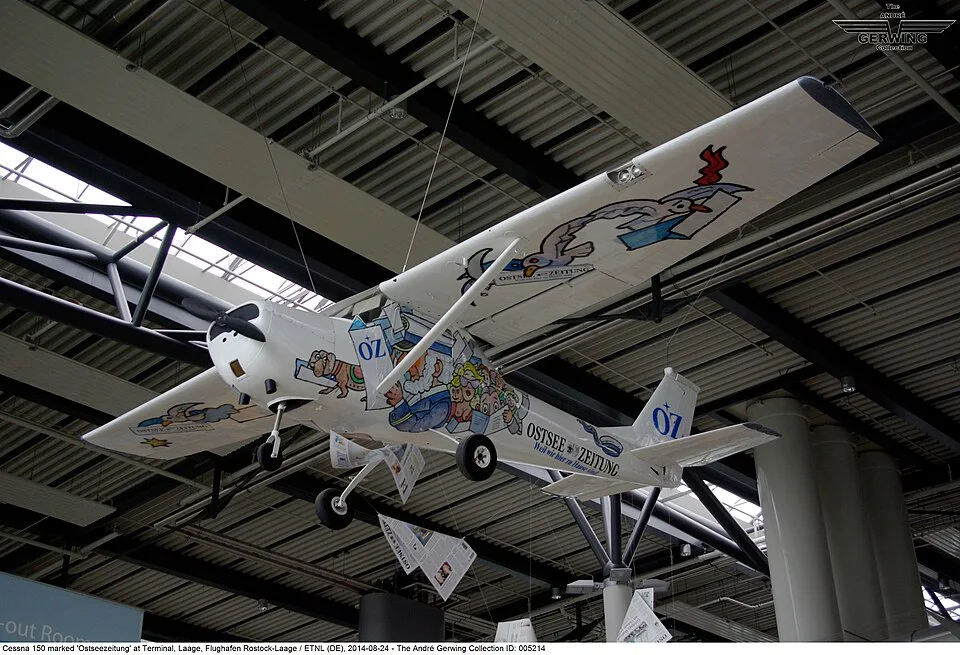
The Cessna 150L begins the documented tubular-main-gear phase after the 1970 150K and spans four model years, 1971-1974. Both standard models retain the O-200-A and the 1,600-lb Utility-category landplane limit. The useful comparison is therefore landing-gear generation, propeller application and within-model equipment changes, rather than an assumed increase in engine power or payload.

| Official Model | Model Years | Certification Category | Engine as Type-Certificated | Certified Serial Eligibility | Important Identity Note | Reference |
|---|---|---|---|---|---|---|
| 150K | 1970 | Utility | Continental O-200-A | 15071129-15072003 | - | [1] |
| 150L | 1971-1974 | Utility | Continental O-200-A | 15072004-15075781 | TCDS divides this eligibility across 1971, 1972, 1973 and 1974 model years. | [1] |
One K year, several L years
The 150K ordinary interval is 15071129-15072003. The 150L continues through four separately recorded annual intervals. A listing that says only “150L” leaves more model-year detail unresolved than a K listing. Check the full serial with the serial lookup before choosing an annual specification or handbook reference.
The L chronology's tubular-main-gear description is a generation marker. It does not establish the current condition of the gear, its attachments or a repaired airframe. The landing-gear guide keeps that system question separate from a promise about handling or durability. No comparative accident, reliability or maintenance-cost result is established by the change itself.

Smaller changes do not arrive as one package
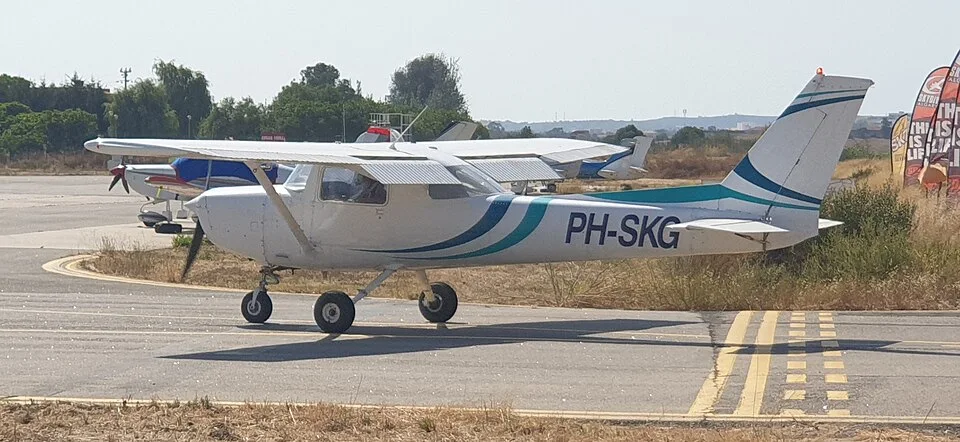
The K has a spinner change from 15071711. The L records separate triggers for a dual-detent inside door handle, flasher bulb and steel-flange wheel changes. These affect different assemblies and occur at different serials; they should not be described as a single “late L upgrade.”
| Year | Model | Serial Trigger | Change | Effectivity | Source |
|---|---|---|---|---|---|
| 1970 | 150K | 15071711 | Spinner changed | 15071711 and on | [1] |
| 1973 | 150L | 15073080 | Inside door handle dual detent | 15073080 and on | [2] |
| 1973 | 150L | 15074397 | Flasher bulb increased to 125 W | 15074397 and on | [2] |
| 1973 | 150L | 15074404 | Nose wheel changed to steel flange | 15074404 and on | [2] |
| 1973 | 150L | 15074510 | Main wheel changed to steel flange | 15074510 and on | [2] |
The table preserves the source's year and exact serial fields together. Where a descriptive year seems too broad for a component enquiry, retain the serial effectivity and consult the applicable underlying publication. Present equipment can also reflect later work. A buyer comparing a K with an L should ask about the specific assembly under discussion rather than assuming every change is visible or original.

Propeller and dimension evidence
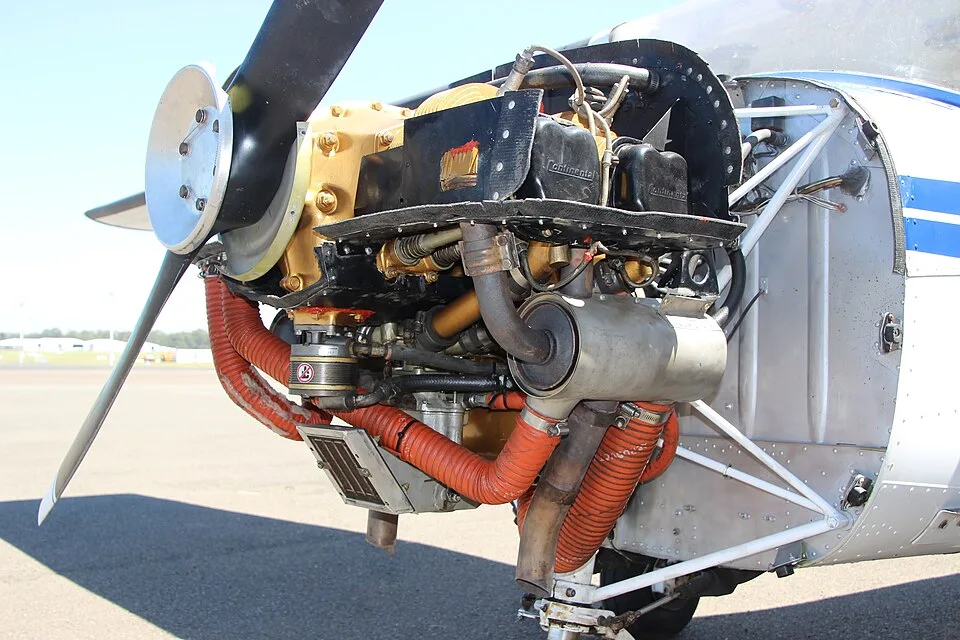
L-model application records include the GCM, HCM, PCM and OCM designations, with year and application qualifications. The GCM/HCM/PCM comparison explains why those suffixes and overlapping years need to stay attached to the installation. A K propeller row cannot simply be carried into the L because both use an O-200-A.
The published L length descriptions also vary by year: the model page retains a 1971 entry separately from later L summaries. Use that year-qualified evidence for a dimensions enquiry. Neither an averaged L dimension nor a generic swept-tail silhouette is a useful replacement for the particular configuration being researched.
What should decide the next inspection?
Compare gear and attachment history, spinner/propeller identity, door and wheel configuration, and the aircraft's actual loading records. The unchanged certified landplane maximum does not make useful load identical, and the source tables do not establish a common performance test for these two generations. If the main question is the subsequent tail/control refinement, continue to 150L versus 150M instead of attributing that later transition to every L.