Cessna 150F vs 150G: Alternator, Cabin and Configuration Changes
The Cessna 150F introduced the swept-tail and electric-flap generation; the following 150G added the recorded alternator, cabin and heating refinements. Both retain the O-200-A engine and a 1,600-lb standard landplane limit. The G also has a separate approved-seaplane research context and an important serial exception, so the comparison goes beyond a one-year difference in an advertisement.

| Official Model | Model Years | Certification Category | Engine as Type-Certificated | Certified Serial Eligibility | Important Identity Note | Reference |
|---|---|---|---|---|---|---|
| 150F | 1966 | Utility | Continental O-200-A | 15061533-15064532 | - | [1] |
| 150G | 1967 | Utility | Continental O-200-A | 15064533-15067198 except 15064970 | Landplane approval 1966-05-05. 2 PCSM utility seaplane configuration approved 1966-08-12. S/N 15064970 is excluded and appears under A150M eligibility. | [1] |
Separate the redesign from its refinement
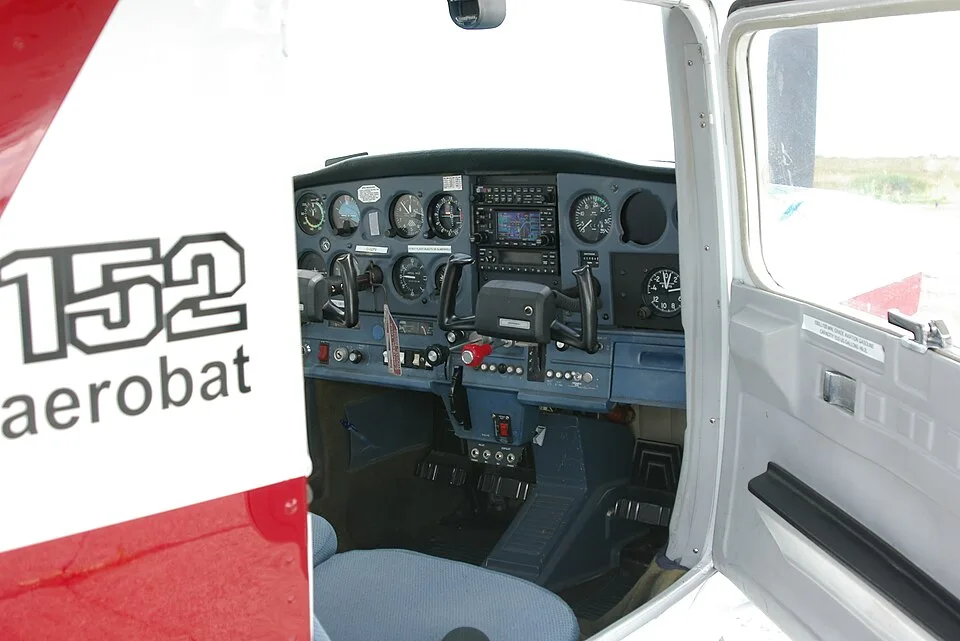
The 150F is the 1966 model-year identity. Its historical description includes the swept vertical stabilizer, wider and deeper doors, electric flaps and enlarged baggage arrangement. The 150G is the 1967 identity; its change summary records an alternator, wider cabin, heating/defroster changes and optional floats. The G should not be credited with first introducing the electric flaps already present in the F generation.
| Year | Model | Major Change | Serial Specific? | Source |
|---|---|---|---|---|
| 1966 | 150F | Swept vertical stabilizer, wider/deeper doors, electric flaps, enlarged baggage | Partly | [1] |
| 1967 | 150G | Alternator, wider cabin, heating/defroster changes, optional floats | No | [2] |
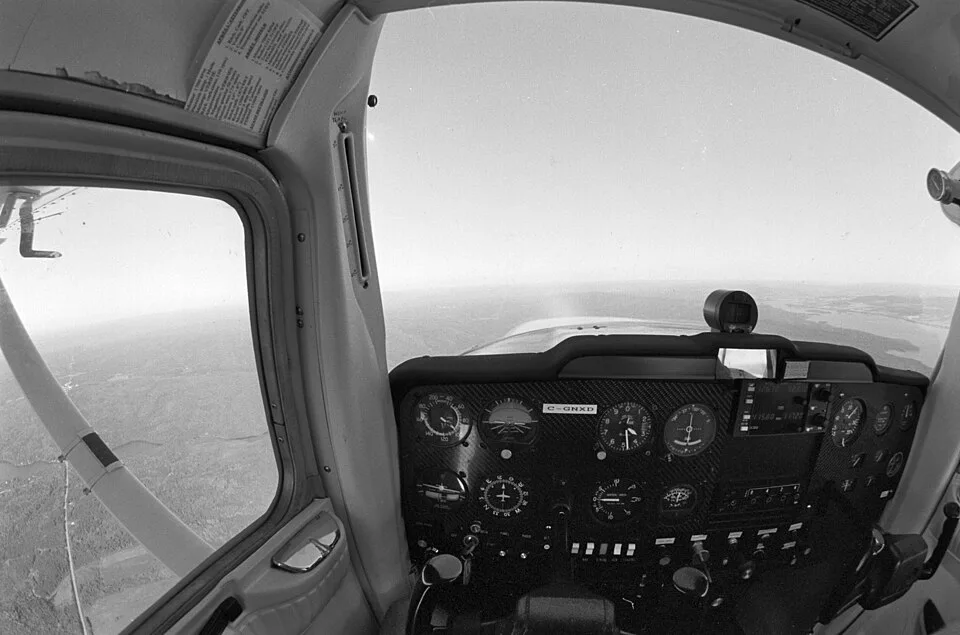
These are source descriptions of original development. They do not prove which charging equipment or cabin fittings remain on a surviving aircraft. When electrical configuration is the buying question, trace the present installation and its records through the electrical-system guide. A model-year label cannot substitute for the applicable wiring and equipment evidence.

Electric flaps still need a serial
The early F flap installation has its own changes: the recorded right-wing relay interval is 15062291-15063135, followed by the improved motor and relay deletion from 15063136. Those breakpoints are within the F's ordinary range. Comparing F with G therefore cannot be reduced to “old flap system versus new flap system” at the model-year boundary.
The 150E-150F comparison covers the larger manual-to-electric transition. For an F or G already fitted with electric flaps, the useful question is which assembly is installed and what maintenance or replacement history supports it. A changed wing or motor makes the original effectivity only the beginning of that investigation.


A G-range number can identify another model
The ordinary G interval excludes 15064970, which is explicitly assigned to A150M. This exception prevents a numeric range match from silently assigning the wrong model and category. Use the serial lookup and aircraft identity records together; neither the swept tail nor the apparent position of a serial within a range overrides the special assignment.
Float eligibility is another independent boundary. The seaplane reference preserves separate propeller and loading conditions. A G on wheels does not gain a sea-configuration weight allowance merely because an approved float installation exists in the family evidence.
Comparing two aircraft for purchase
An F-versus-G shortlist should distinguish charging-system configuration, cabin/heater condition, flap component history and any past float installation. Those are concrete research questions; the historical changes do not establish lower maintenance cost, greater reliability or a universal performance advantage. Compare each aircraft's records and condition before treating the later model year as the deciding factor.